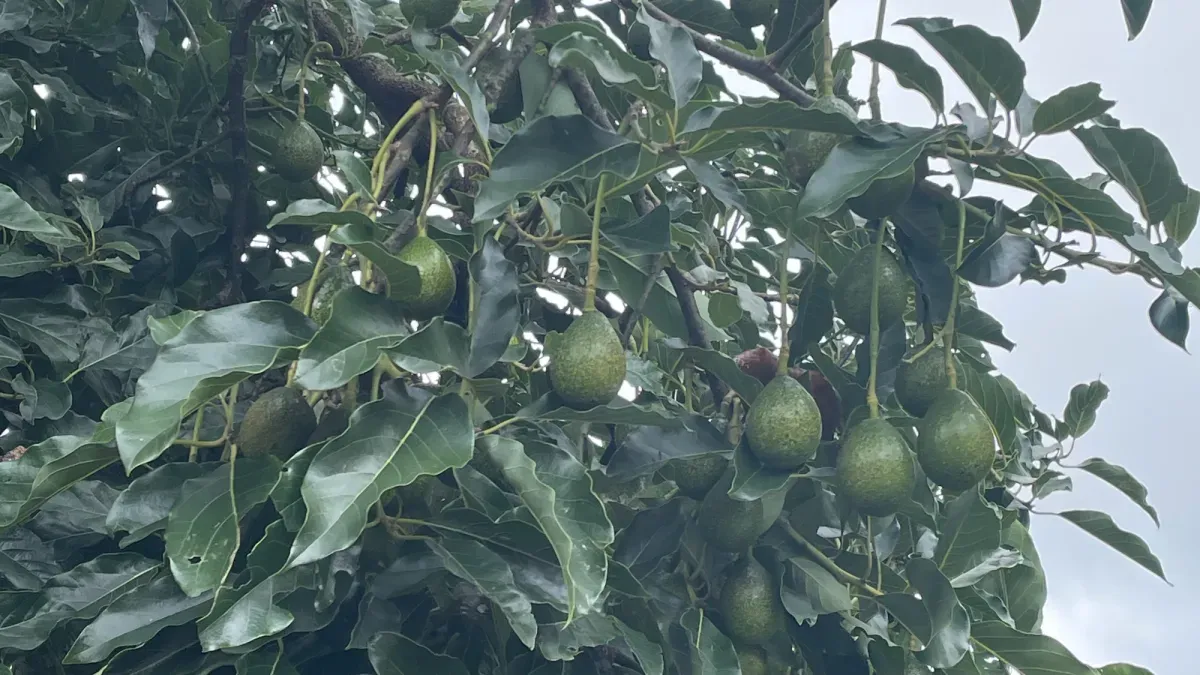
Before the avocado became a global obsession (and a millennial punchline), it was a travel companion. About 5,000 years ago, people migrating north from South America tucked avocado seeds into their bags, eventually planting them in Nicaragua's steamy lowlands. These ancient green gems then mingled with local varieties, creating a diverse family of large, smooth-skinned avocados still thriving today.
Here’s the kicker: these historically significant avocados, which look suspiciously like the ones destined for your guacamole, are genetically distinct from the commercial Hass varieties dominating grocery store shelves. It's a genetic tale of migration, mixing, and a whole lot of deliciousness, recently unveiled in the journal Plants, People, Planet.
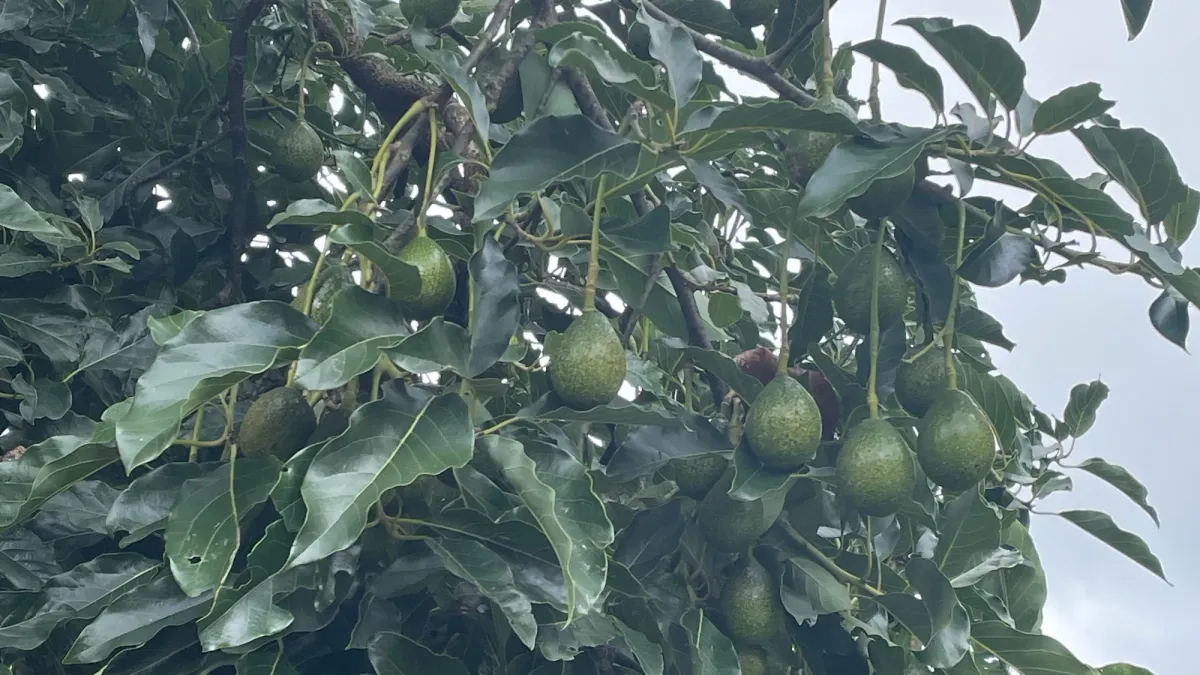
As Smithsonian archaeologist Kevin Wann, a co-author of the study, dryly observed, Nicaraguan avocados might look like their supermarket cousins, especially in humid climates like Florida. But their DNA tells a completely different story. Which, if you think about it, is both impressive and slightly terrifying.
We're a new kind of news feed.
Regular news is designed to drain you. We're a non-profit built to restore you. Every story we publish is scored for impact, progress, and hope.
Start Your News DetoxThe Guac You Eat Is a Clone Army
Avocado trees (Persea americana) have been a culinary staple for over 10,000 years, native from Mexico down to Peru. Fast forward to 2024, and growers churned out a staggering 11 million metric tons of the stuff. The vast majority of those — over 80%, to be precise — are a single variety: the Hass avocado. They’re grown through clonal grafting, meaning a branch from one Hass tree is attached to another, ensuring every new tree produces the exact same fruit.
This cloning makes the entire Hass industry essentially one giant, genetically identical crop. Fantastic for consistency, terrible for resilience. One nasty disease, one major weather shift, and boom — the entire global supply could be in serious trouble. Think bananas, which are facing down a devastating fungal disease that wiped out an earlier commercial variety in the 1950s. We're talking banana-pocalypse, but for avocados.
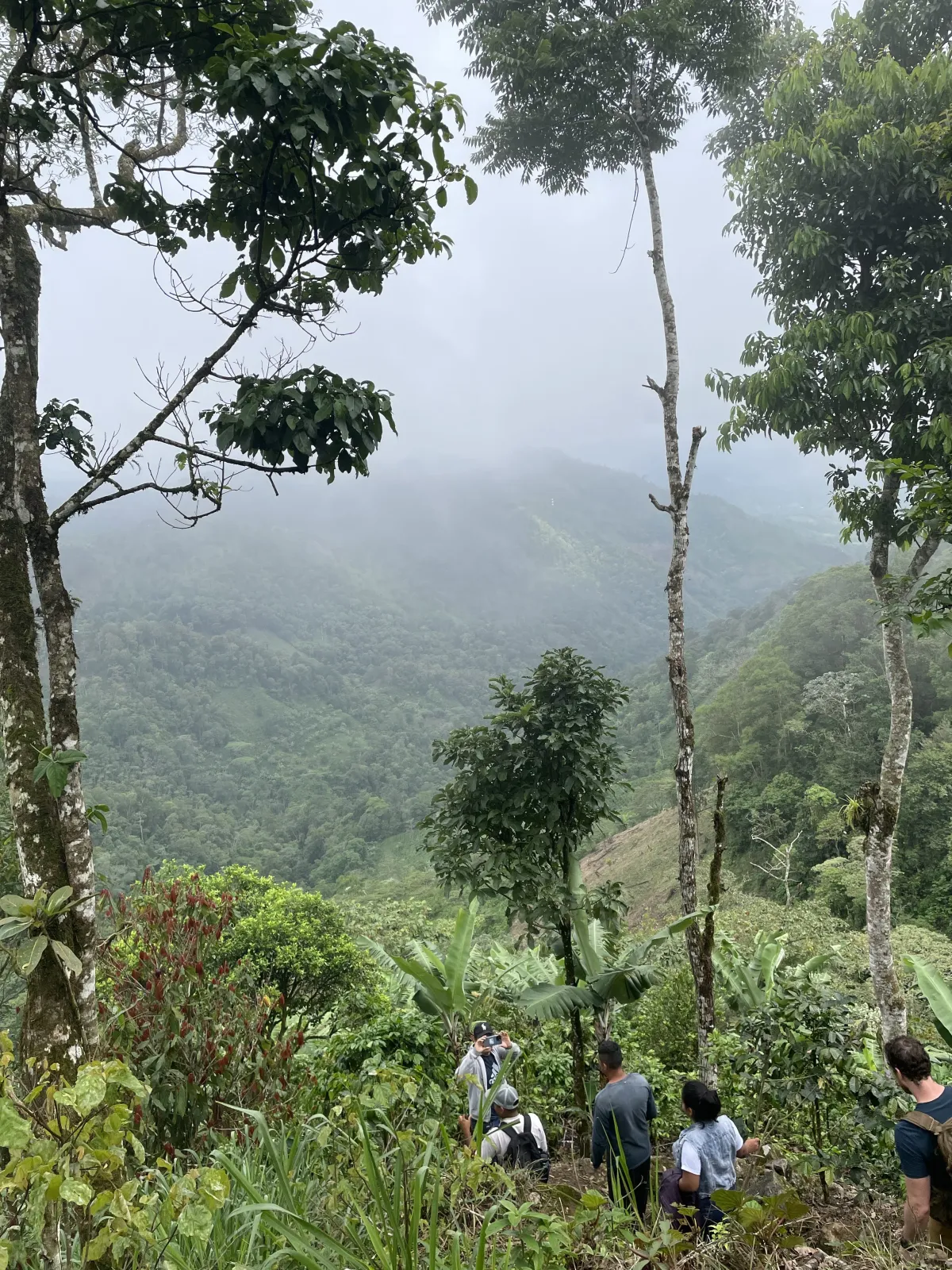
So, where do we find the genetic diversity needed to save our beloved avo-toast? Wann suggests looking to the muggy lowlands of Nicaragua and Honduras, where traditional farming has spent millennia refining native avocado varieties, known as landraces. Turns out, our understanding of avocado domestication was a bit biased, focusing too much on the commercial darlings and ignoring the thousands of years of natural selection and human cultivation happening elsewhere.
First Bites and Ancient Journeys
Fieldwork isn't always glamorous. Wann’s expeditions involved food poisoning and a wasp sting in Mexico. But they also involved a culinary first: after four years of studying avocados, he finally ate one, offered by a Nicaraguan farmer. (We're going to assume it was worth the wait.)
His team collected leaf samples and, crucially, spoke with local gardeners and farmers. These conversations revealed that the lowland avocado landraces were largely immune to root rot, the bane of commercial avocado growers. Some Nicaraguan farmers even graft commercial avocado branches onto these native trees, leveraging the local stock's superior resilience.

Back in the lab, DNA analysis revealed the real story: Nicaraguan lowland avocados are genetically linked to varieties found much further south, along the coast of Colombia. This means humans didn't just stumble upon avocados; they packed them. As people migrated and cultures intertwined between 4,000 and 5,000 years ago (a period marked by increased corn farming and plant exchanges), they carried their favorite avocado varieties with them. Central America, a largely under-explored archaeological treasure trove due to its tropical climate, holds the keys to this ancient botanical road trip.
This ancient diversity isn't just a fascinating historical footnote. It's a potential lifeline. These landraces are already adapted to the warmer, wetter conditions that climate change is making increasingly common. With avocados playing such a crucial role in global diets, and 80% of them being a single clone, protecting this genetic heritage is our best shot against future climate threats and the next big disease. Awareness, it seems, is the first step in saving our smashed green dreams.