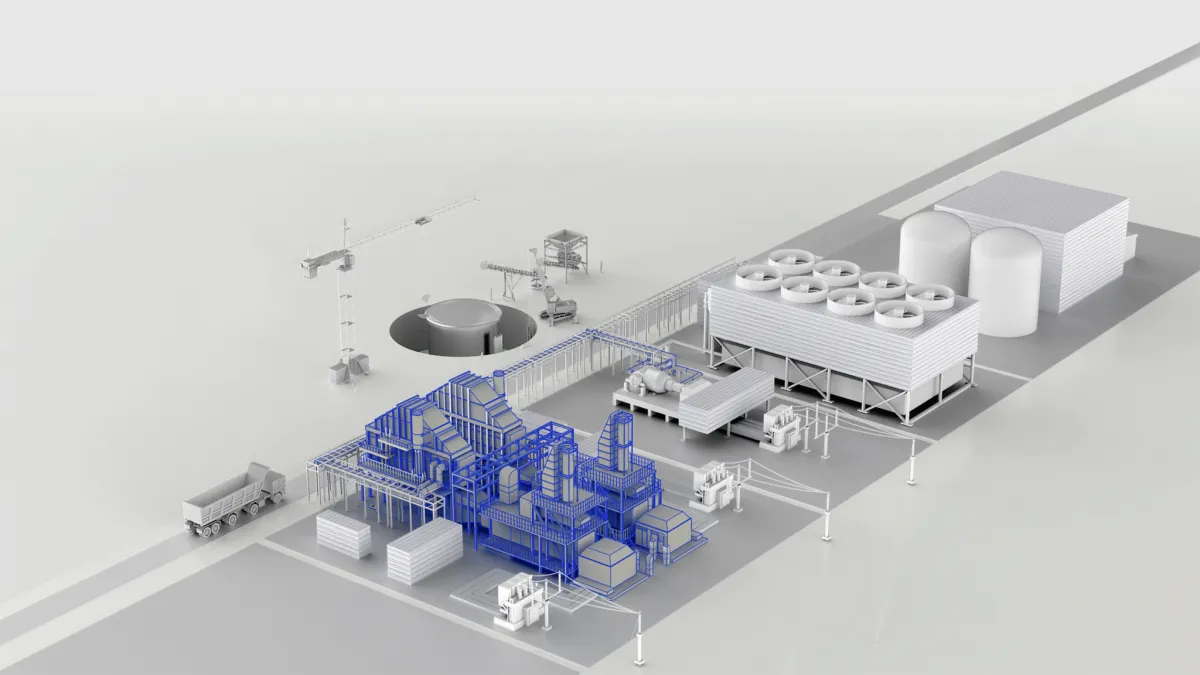
Building a power plant often means choosing between nuclear and natural gas. But what if you could have both? Blue Energy and GE Vernova are working together on a 2.5-gigawatt hybrid power plant in Texas that uses both.
Nuclear power plants face two main challenges. They take a very long time to get approved and built. Also, they are not very good at quickly changing their power output to match demand.
The long approval process means a lot of paperwork and construction delays. This can make it hard for companies to manage their finances during the long wait.
We're a new kind of news feed.
Regular news is designed to drain you. We're a non-profit built to restore you. Every story we publish is scored for impact, progress, and hope.
Start Your News DetoxNuclear power is great for providing a steady supply of electricity, known as baseload power. However, it struggles with power grids that need to adjust quickly to changing demand. Future grids will need to handle power from renewable sources, which can be intermittent.
A Hybrid Solution
To solve these issues, Blue Energy and GE Vernova plan to combine gas turbine and nuclear generation in one plant. They will use GE Vernova Hitachi Nuclear Energy's (GVH) BWRX-300 small modular reactor (SMR). This will be part of an "Integrated Monopile System" (IMS) and a "gas-to-nuclear" strategy.
The plant will have separate gas and nuclear facilities within a single site. This setup combines the strong, steady power of nuclear with the flexible, adjustable power of gas. It also means one system can start operating while the other is still being built.
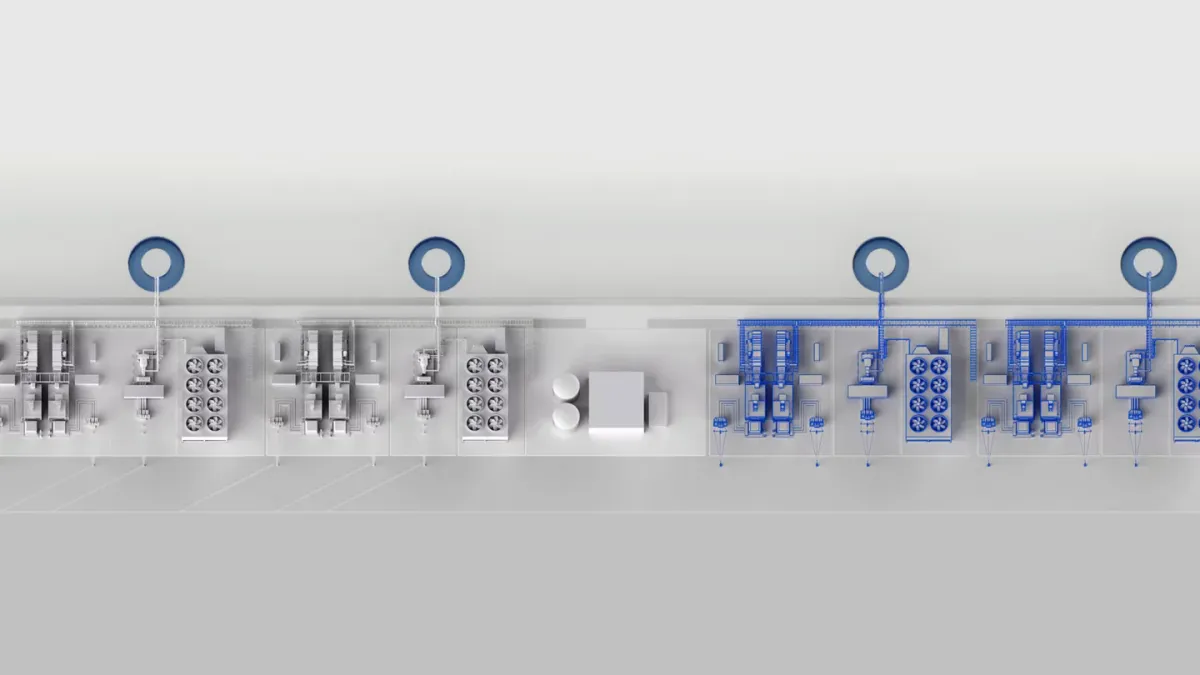
The first step involves installing large, 12-foot-wide steel monopiles. These are adapted from offshore wind turbine facilities. They will serve as containment structures for prefabricated modular reactors. These monopiles will sit in water pools connected to a navigable channel.
This design allows for passive cooling. The surrounding water also acts as a thick radiation shield, even if all systems shut down. Blue Energy believes this method could cut plant construction time by up to 93%.
Phased Construction and Future Potential
Next, two GE Vernova 7HA.02 gas turbines will be deployed at the same time. These turbines can generate 1 gigawatt of electricity. This allows the plant to start producing power and revenue relatively quickly. As the nuclear reactors are installed, the plant will shift from gas to steam to power the generators. Both nuclear and gas operations will share a common turbine hall and grid connection.
Blue Energy also notes that the gas turbines are "hydrogen ready." This means they could eventually use hydrogen produced by nuclear-generated steam or electricity.
Eric Gray, CEO of GE Vernova’s Power Segment, said this combination offers an effective solution. It aims to meet the demands of rapid AI expansion in the United States while reducing the time it takes to generate power. He added that the collaboration with Blue Energy shows the innovative approaches needed for this extraordinary demand.
Deep Dive & References: Blue Energy and GE Vernova Accelerate Gas-Plus-Nuclear Approach - Blue Energy