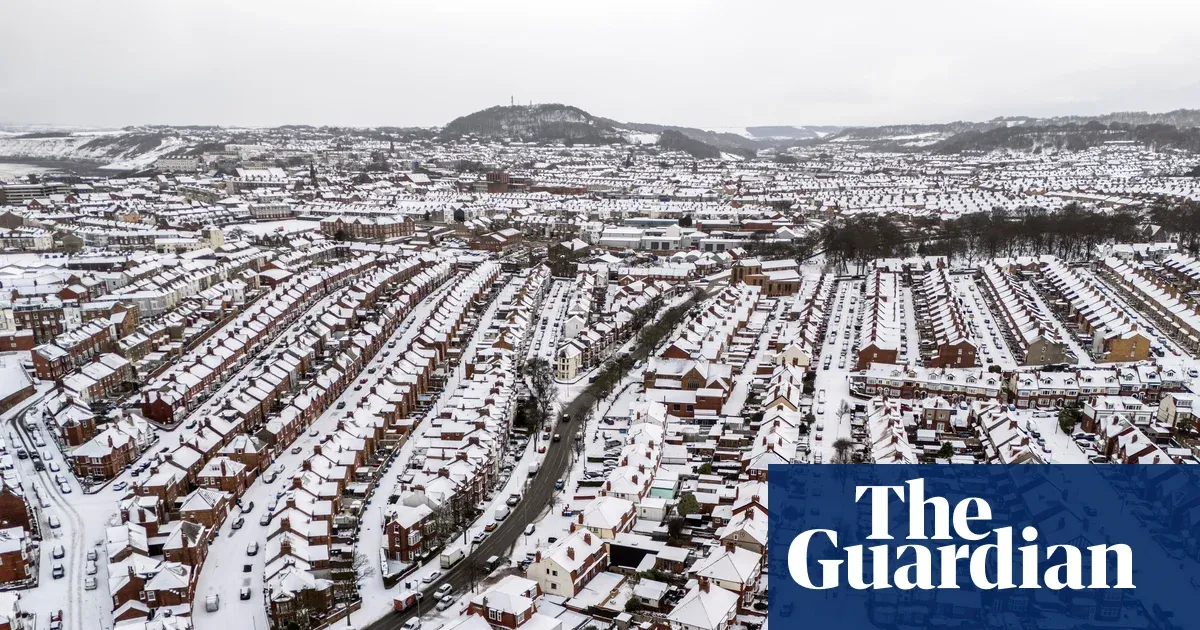
The UK's Met Office is about to tell you what the weather might do 14 days from now — not with false certainty, but with honest odds.
Starting soon, the national weather service will extend its forecasts beyond the current seven-day limit, offering two-week predictions for rainfall, wind speed, and temperatures. The catch, and the breakthrough, is how they're doing it: using probabilistic forecasting, which essentially means saying "there's a 60% chance of rain" rather than "it will rain."
This matters because weather prediction gets genuinely harder the further out you look. The Met Office has historically stayed quiet about forecasts beyond seven days, wary of accuracy claims that couldn't hold up. But new research from the service suggests people can actually understand and use probability-based forecasts — and find them more useful than false certainty.
We're a new kind of news feed.
Regular news is designed to drain you. We're a non-profit built to restore you. Every story we publish is scored for impact, progress, and hope.
Start Your News Detox"People can understand probabilistic forecasts and could indeed find it more useful for informing weather-based decisions," says Ken Mylne, the Met Office science fellow who led the research. That's not a small thing. If you're planning a garden party, a school trip, or a construction project, knowing "70% chance of dry weather" two weeks out is genuinely more helpful than either a guess or silence.
The timing reflects a broader shift in weather science. AI models are reshaping the field — Google DeepMind's system recently outperformed traditional forecasts by up to 20%, and Nvidia just announced Earth-2, new AI models designed to be faster and more accurate. The Met Office's move isn't quite jumping on a trend; it's catching up to what the science now allows.
The real innovation here is honesty. The Met Office isn't claiming to predict the weather with perfect clarity two weeks out. It's saying: here's what we know, here's how confident we are, and here's how that should shape your plans. That's a shift from "the forecast" to "the forecast range" — and it might actually change how people use weather information.
The extended forecasts will roll out across the Met Office's website, app, and YouTube videos. For anyone making plans that depend on weather, the extra week of probabilistic guidance could make the difference between a backup plan and a scramble.