Brain mapping just got faster—and cheaper. Harvard and MIT researchers have developed a way to use machine learning to guide standard electron microscopes through brain tissue, cutting scanning time from weeks to days and opening the field to labs that can't afford million-dollar equipment.
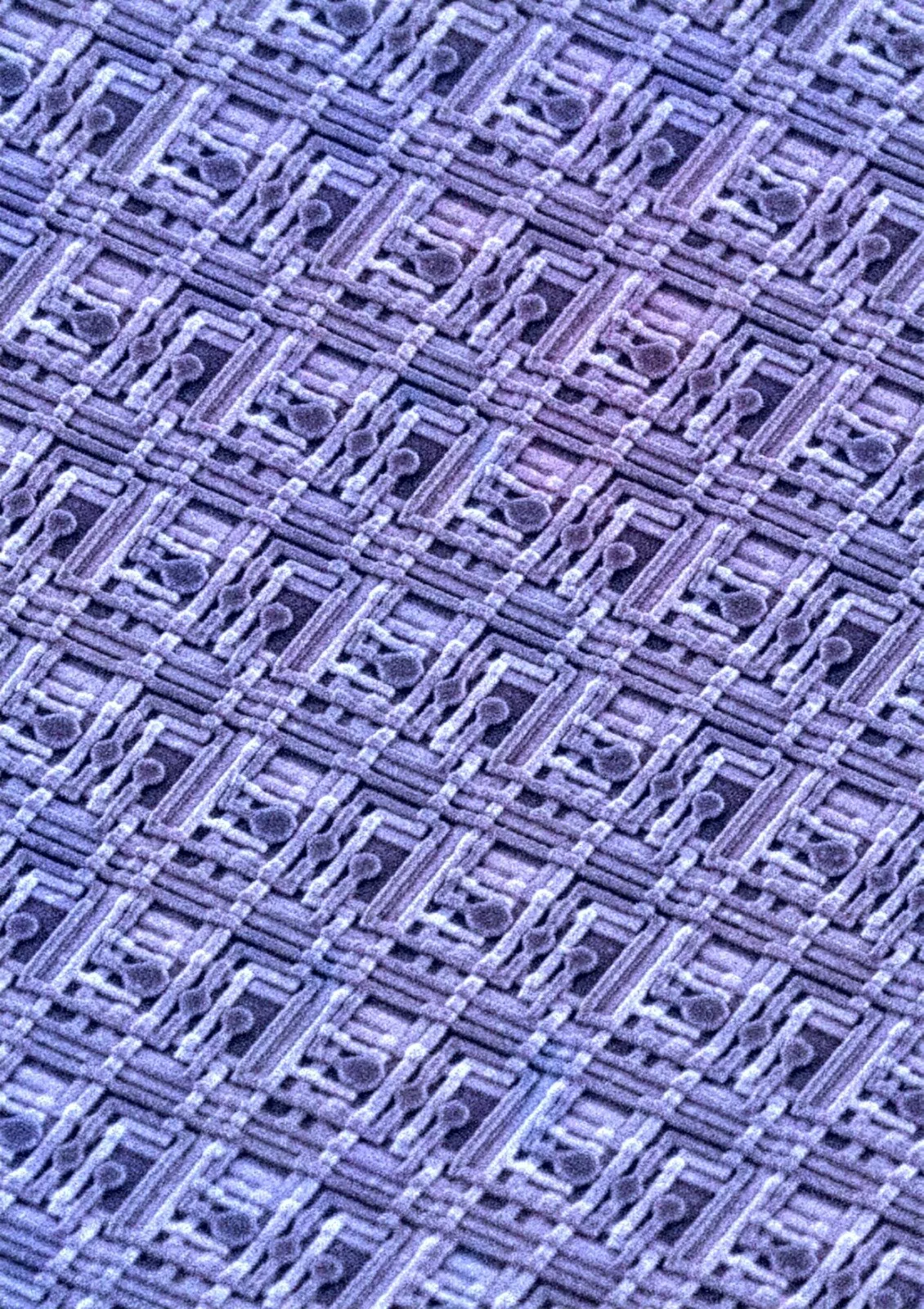
Until now, mapping the brain's wiring—called connectomics—required either patience or deep pockets. Scientists would slice brain tissue into thousands of ultra-thin sections, then scan each one with powerful electron microscopes. A single cubic millimeter of human brain tissue, about the size of a poppy seed, meant over 5,000 slices, each thinner than a thousandth of a human hair. The machines that could do this work cost millions and existed in only a handful of labs worldwide.
The new system, called SmartEM, works more like human vision. Instead of carefully scanning every inch of tissue equally, it takes a fast, rough look at the whole sample first. A neural network then identifies what actually matters—synapses, cell bodies, anything unusual—and tells the microscope to slow down and look closely only at those regions. The result is a complete, high-resolution map in a fraction of the time.
We're a new kind of news feed.
Regular news is designed to drain you. We're a non-profit built to restore you. Every story we publish is scored for impact, progress, and hope.
Start Your News DetoxA sevenfold speedup
The numbers are striking. When researchers tested SmartEM on Caenorhabditis elegans, a roundworm whose brain was the first ever fully mapped, a standard microscope would normally need 1,400 hours of scanning. SmartEM did it in 200 hours. That's not a marginal improvement—it's the difference between a project that takes months and one that takes weeks.
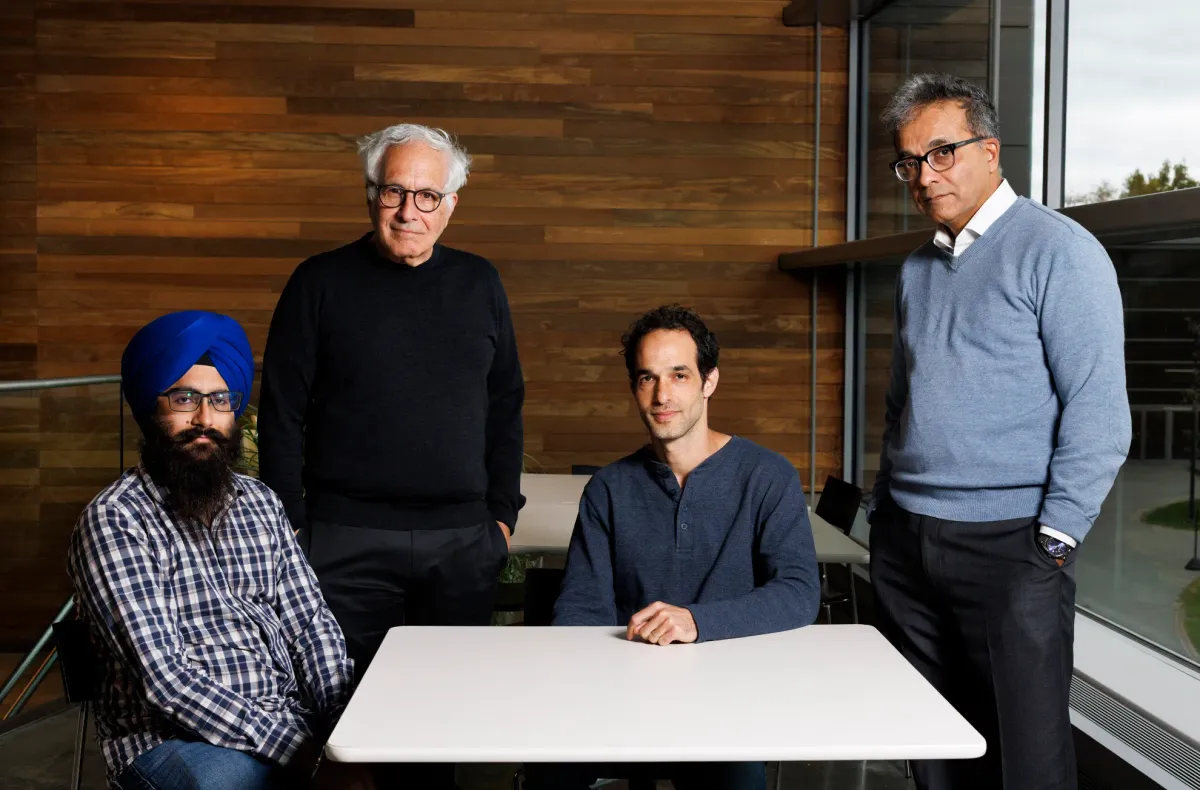
Aravinthan Samuel, a physicist at Harvard's Center for Brain Science, sees the real impact in access. "Our goal is to democratize connectomics," he said. "If you can make the relatively common single-beam scanning electron microscope more intelligent, it can run an order of magnitude faster." In other words, labs with standard equipment—the kind many universities already own—can now do work that previously required rare, expensive machines.
This matters because brain mapping is accelerating. Two years ago, Harvard researchers published the first nanoscale map of one cubic millimeter of human brain tissue, revealing 150 million synapses and 57,000 cells in structures never seen before. Fruit flies and zebrafish have complete connectomes. The next target is the mouse brain, a vastly larger challenge. Getting there will require more labs, more microscopes, and more researchers working on the problem. SmartEM removes a major barrier.
The innovation emerged from a five-year collaboration between Harvard, MIT, Johns Hopkins Applied Physics Laboratory, and microscope manufacturer Thermo Fisher Scientific. Nature Methods, the journal that published the work, named electron microscopy-based connectomics its "Method of the Year" for 2025, citing SmartEM as an example of where the field is heading.
What happens next is the real test: whether labs around the world will adopt the technique and whether the speedup holds as researchers tackle larger, more complex brain tissue. But for the first time, brain mapping feels like it's moving beyond the exclusive domain of a few well-funded institutions and toward something more distributed, more collaborative, and more achievable.