Beneath Frankfurt's streets lies a Roman cult district so well-preserved that researchers are calling it one of the most significant archaeological finds in Europe. Now, with over €1 million in funding secured, an international team will spend the next three years understanding what happened inside.
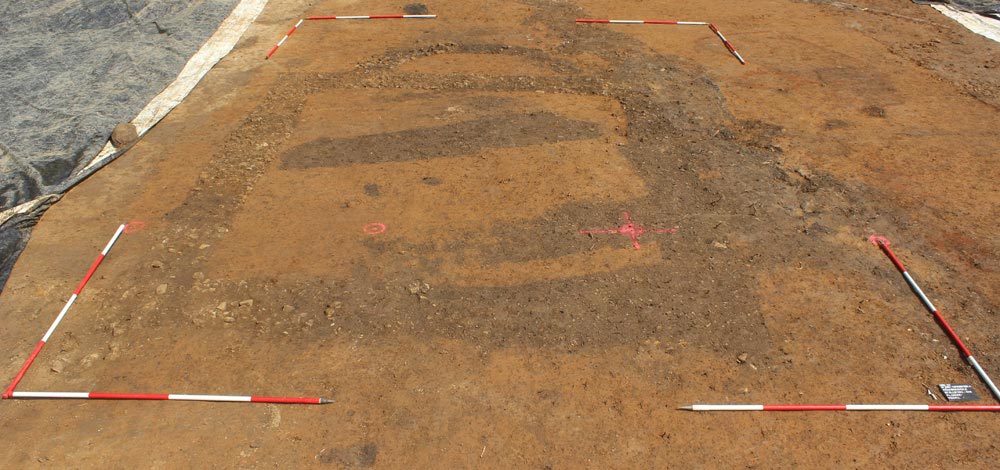
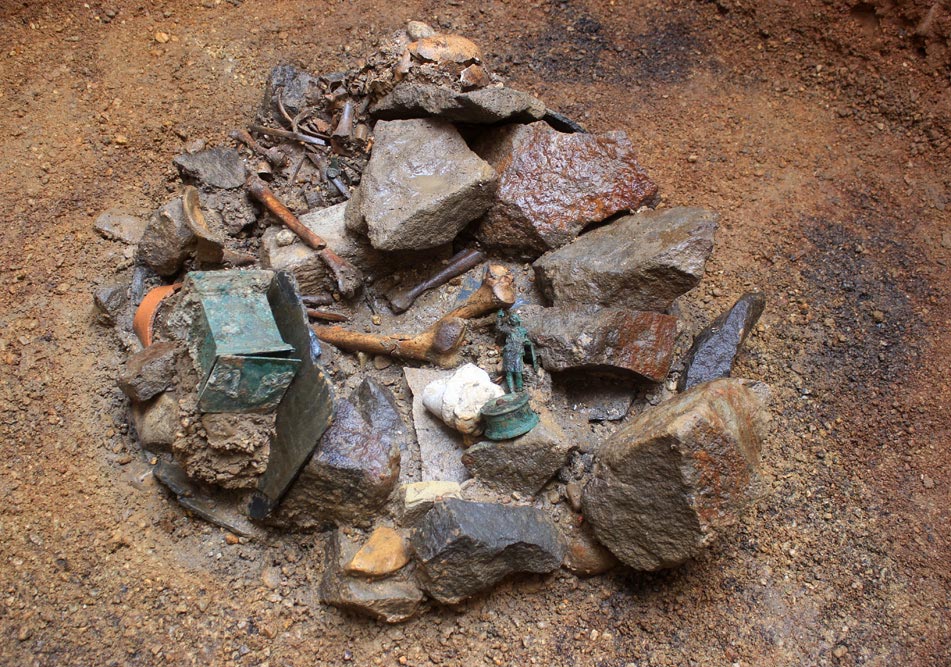
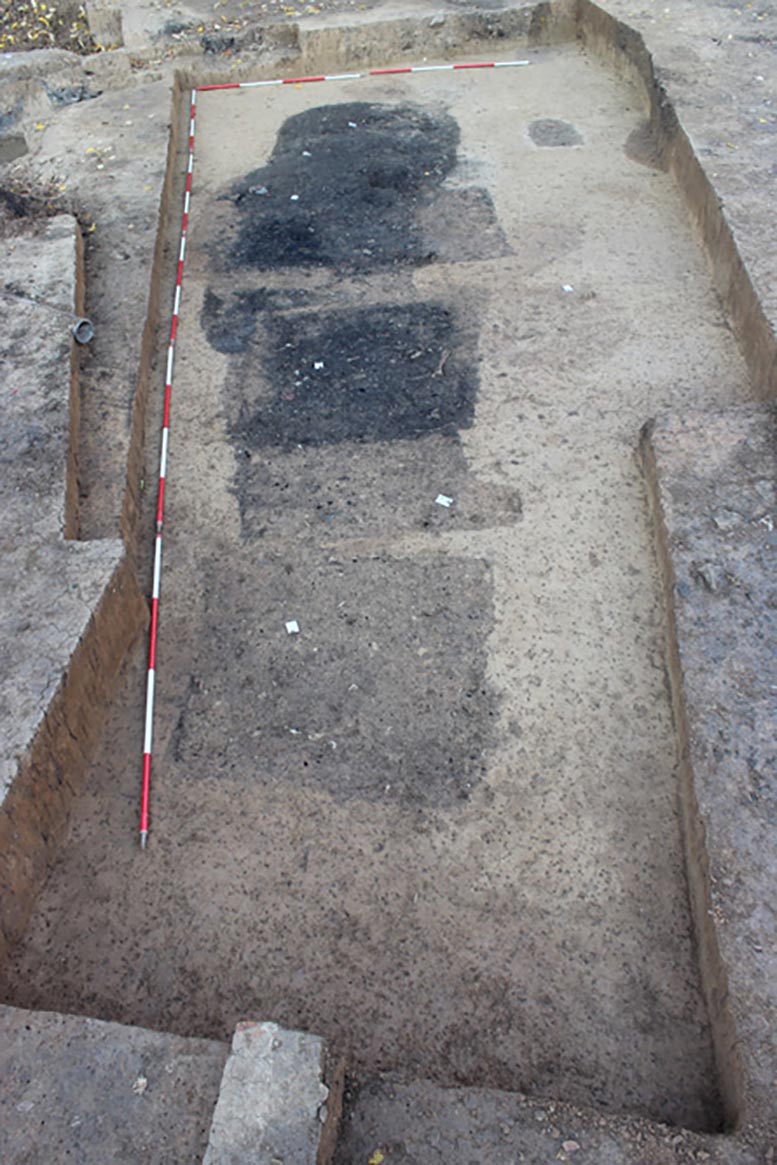
The sanctuary at Nida, a thriving Roman settlement that once occupied what's now Frankfurt-Heddernheim, consists of eleven stone buildings arranged across multiple phases of construction, surrounded by around 70 shafts and ten ritual pits. When archaeologists began excavating, they found something remarkable: the deposits inside these pits—ceramic vessels, animal bones, fish remains, seeds—told a story of ritual meals and offerings to the gods that had survived nearly two millennia underground.
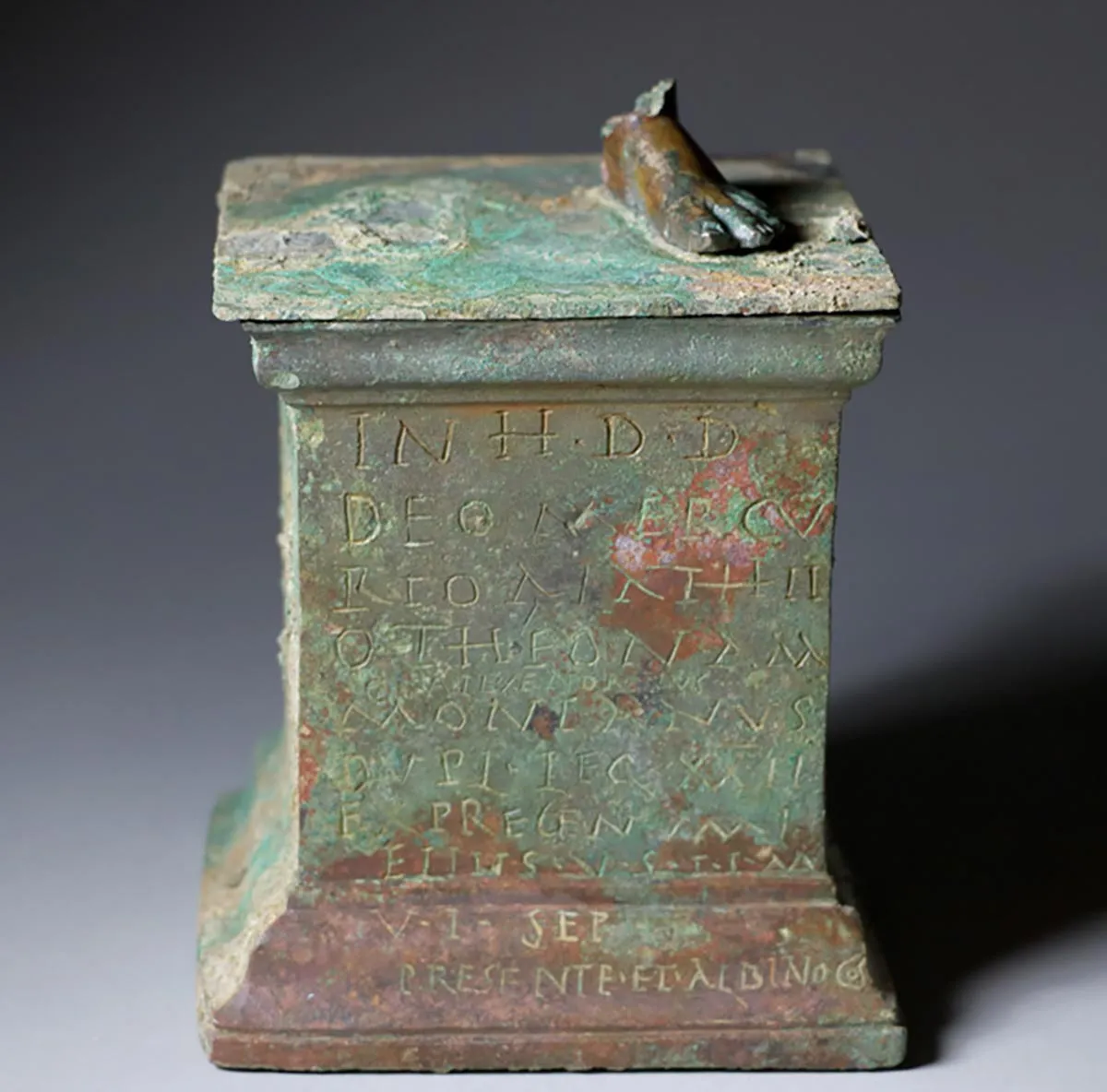
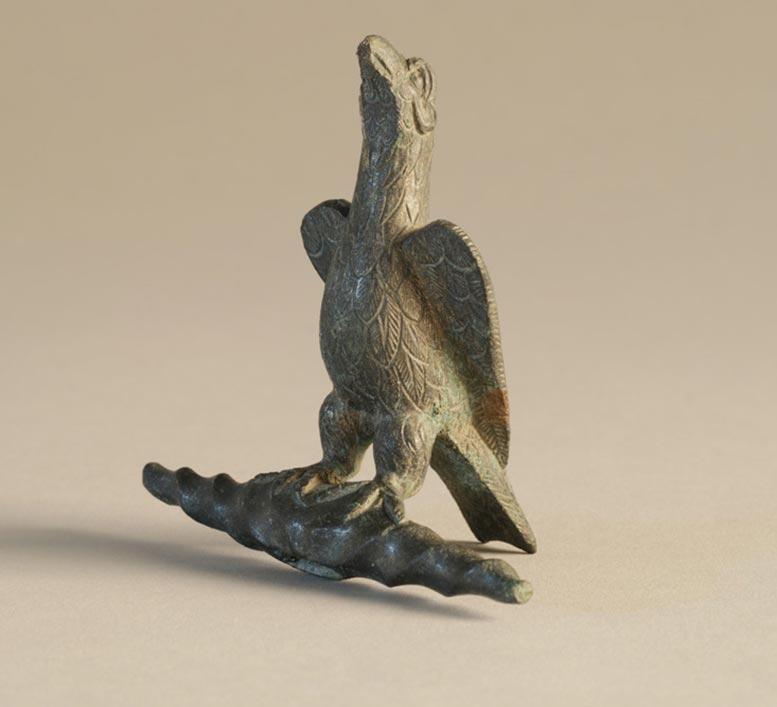
What makes this discovery unusual is not just the scale but the detail. Among the finds are 254 Roman coins, more than 70 bronze and silver garment clasps (fibulae)—many intact—and small votive objects like a bronze eagle statuette. These kinds of items show up across the Roman world in sanctuary contexts, left behind as gifts or pledges to the gods. Yet despite this abundance of evidence, researchers still can't say with certainty which deities were worshipped here. Inscriptions and images suggest Jupiter, Diana, Apollo, and others, but the full picture remains elusive. That's what the new funding will help clarify.
We're a new kind of news feed.
Regular news is designed to drain you. We're a non-profit built to restore you. Every story we publish is scored for impact, progress, and hope.
Start Your News Detox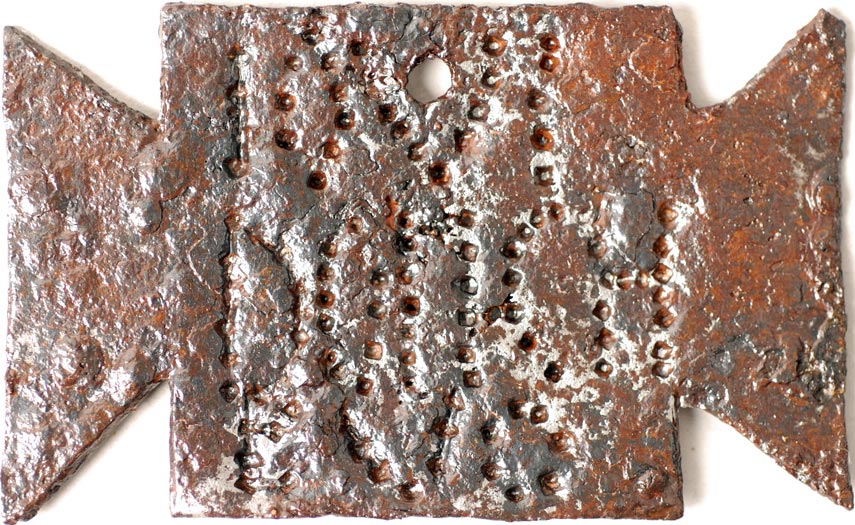
The German Research Foundation and Swiss National Science Foundation awarded the grant to a team spanning Frankfurt and Basel, bringing together five early-career researchers in doctoral and postdoctoral positions. Their approach will be deliberately broad—analyzing not just individual objects but the spatial arrangement of buildings and pits, the composition of soil layers, and the remains of plants and animals. This kind of interdisciplinary work is increasingly how archaeology reconstructs daily life and belief systems from fragments.
Nida itself was no minor settlement. Founded as a Roman military base in the 70s CE, it grew into the economic and cultural heart of the Limes region—the frontier zone between the Roman Empire and Germanic territories—by the early 2nd century. A sanctuary this elaborate suggests a community with resources, organization, and deep religious commitment. Understanding what rituals took place here, what was offered, and to whom offers a window into how Romans on the empire's edge experienced their faith.
The timing is significant. Just over a year ago, Frankfurt made headlines for the "Frankfurt Silver Inscription," the oldest known Christian written testimony north of the Alps. Now, as researchers turn their attention back to the Roman city's religious landscape, a fuller picture of faith and practice in this frontier settlement is finally within reach.