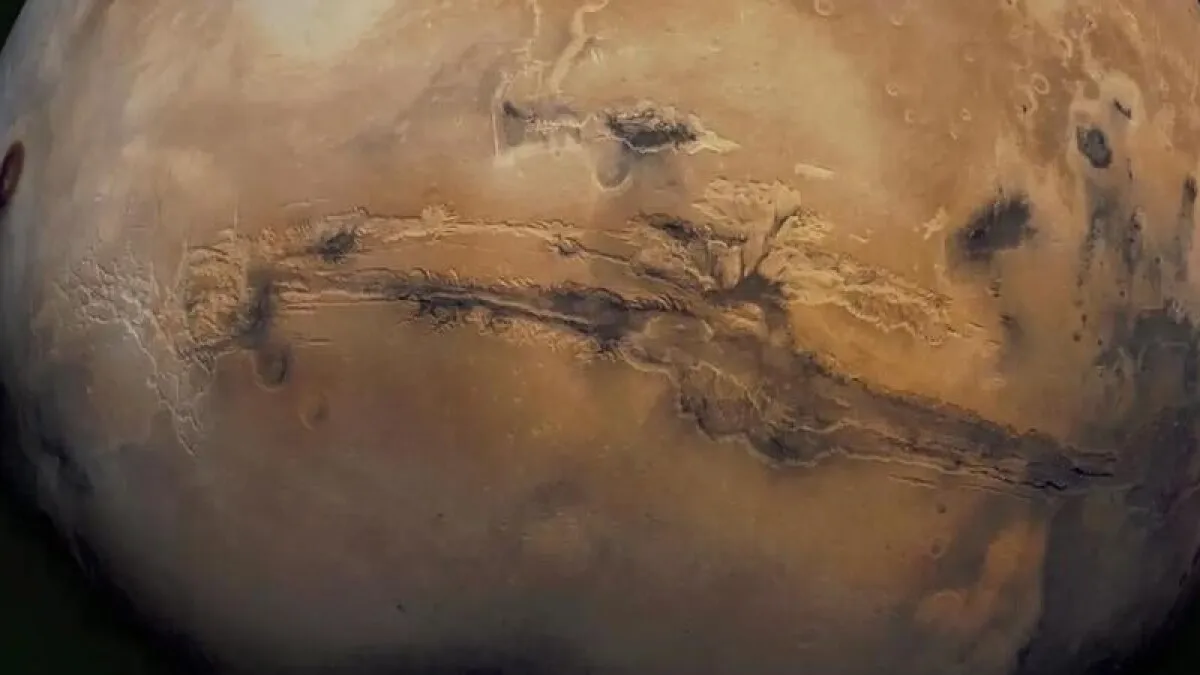
For 2.6 million years, Earth's climate has swung between deep freezes and warm spells with a rhythm that seemed almost mechanical. Now a UC Riverside physicist has figured out why: Mars has been quietly pulling at us.
Stephen Kane's simulations show that the gravitational tug of Mars subtly warps Earth's orbit, amplifying the climate shifts we've long attributed to Jupiter and Venus. The discovery rewrites what we thought we knew about one of the planet's most fundamental patterns.
How planetary gravity shapes our world
Earth's orbit isn't a perfect circle. It wobbles and stretches in predictable ways, driven by the gravitational dance of nearby planets. These Milankovitch cycles—named after the Serbian mathematician who first mapped them—alter how much sunlight reaches different parts of the planet throughout the year. A slightly more elliptical orbit can mean the difference between a mild winter and a glacial epoch.
We're a new kind of news feed.
Regular news is designed to drain you. We're a non-profit built to restore you. Every story we publish is scored for impact, progress, and hope.
Start Your News DetoxJupiter and Venus have long been known as the main architects of these cycles. But Mars, smaller and further away, was assumed to be negligible. Kane's work suggests otherwise. When he ran simulations of Earth's orbital history, he found that Mars's gravitational influence was actually critical to producing the dramatic climate swings we see in the geological record.
Without Mars in the equation, Earth would follow a much steadier rhythm—a 2.4 million-year "Grand Cycle" visible in deep-sea sediments. Instead, the actual climate record shows rapid, intense transitions between ice ages and warm periods. Mars, it turns out, is the missing piece.
Why this matters beyond the ice ages
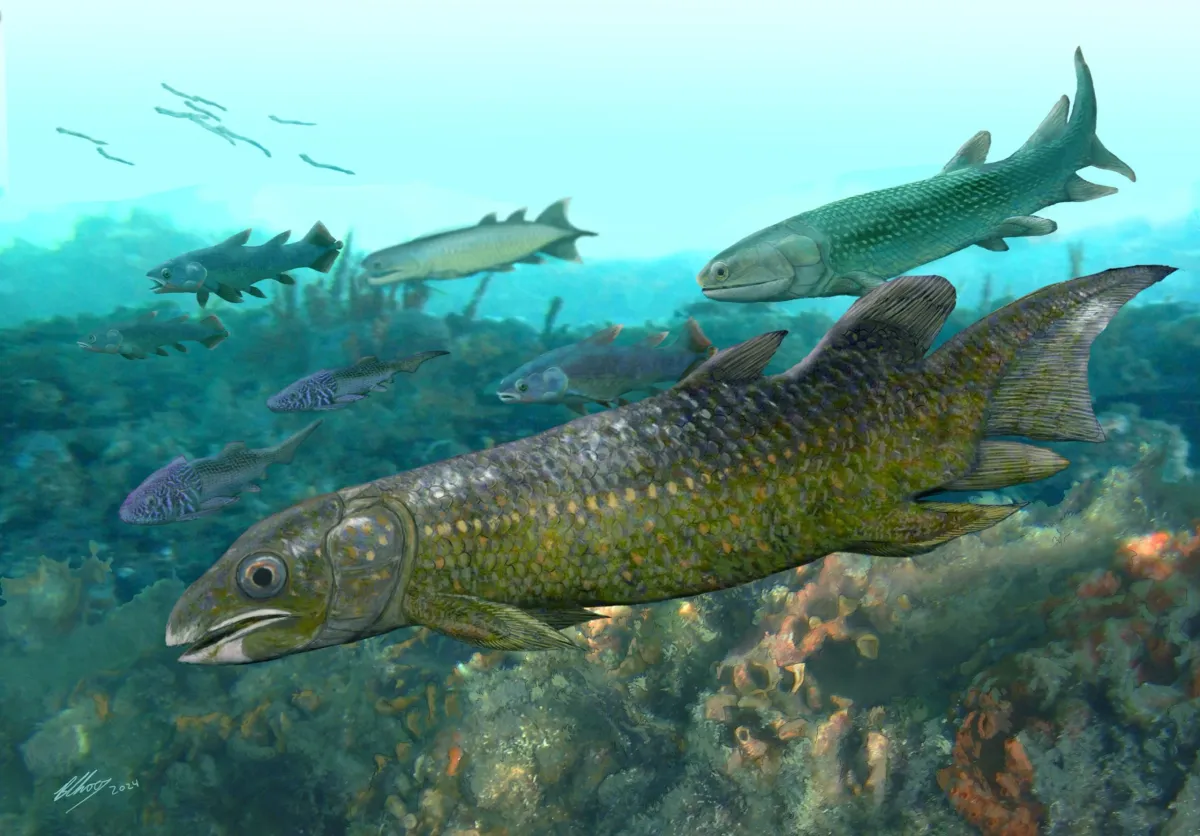
The implications ripple into human history itself. Some anthropologists point out that these rapid climate shifts would have transformed African landscapes, turning forests into grasslands. That environmental pressure, the theory goes, may have nudged our ancestors toward bipedalism and larger brains—adaptations that became survival advantages in a changing world.
It's a reminder that we exist within nested systems of influence. The planets above shape the climate below, which shapes the landscapes we inhabit, which shapes us. Understanding how Mars has been quietly rewriting Earth's climate for millions of years doesn't just satisfy scientific curiosity—it deepens our grasp of how planetary mechanics have literally written the story of life on this planet.
As climate science grows more sophisticated, researchers continue to refine these orbital models, looking for other subtle gravitational influences we may have overlooked.