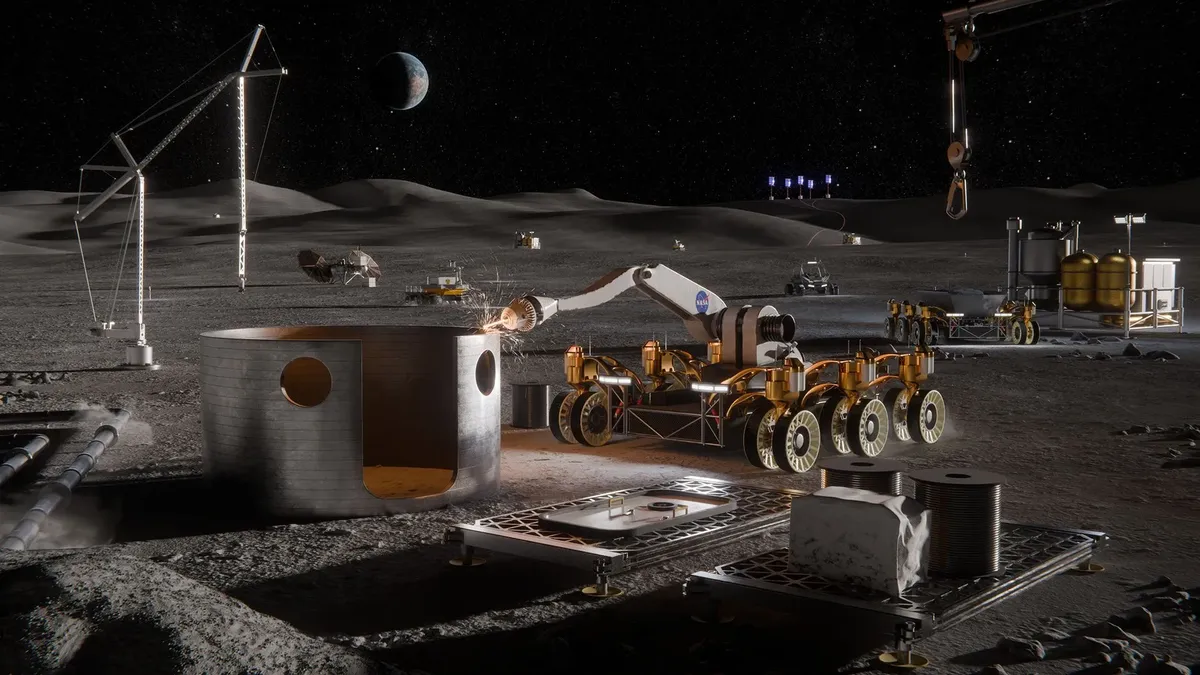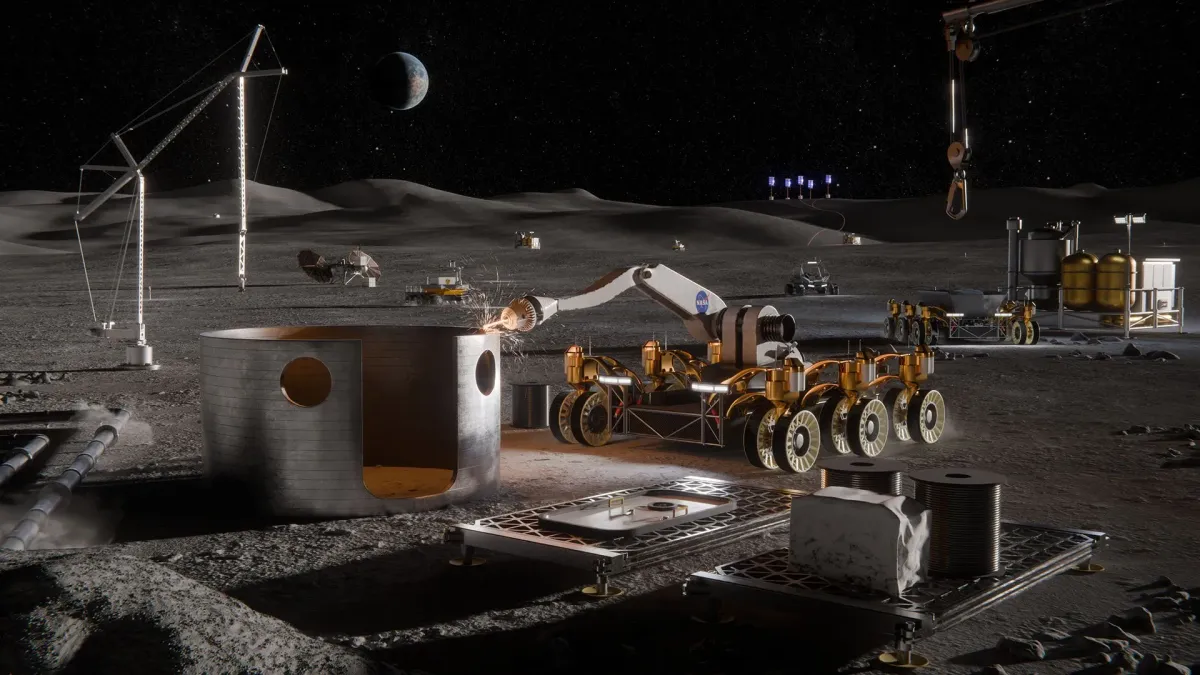
Before we can set up permanent lunar digs, someone's got to do the dirty work. And by "dirty work," we mean clearing land, stabilizing landing pads, and generally making the Moon less... Moon-like for future inhabitants. The catch? No human construction crews on site. Yet.
Enter Interlune, a company focused on lunar resources, and Vermeer Corporation, an industrial equipment giant. They've teamed up to build the heavy machinery that will essentially be the Moon's first autonomous construction crew. Their goal: a mission-ready lunar site-preparation tool by 2028. Because apparently, that's where we are now — building construction equipment for another celestial body.
Earth Skills, Lunar Dust
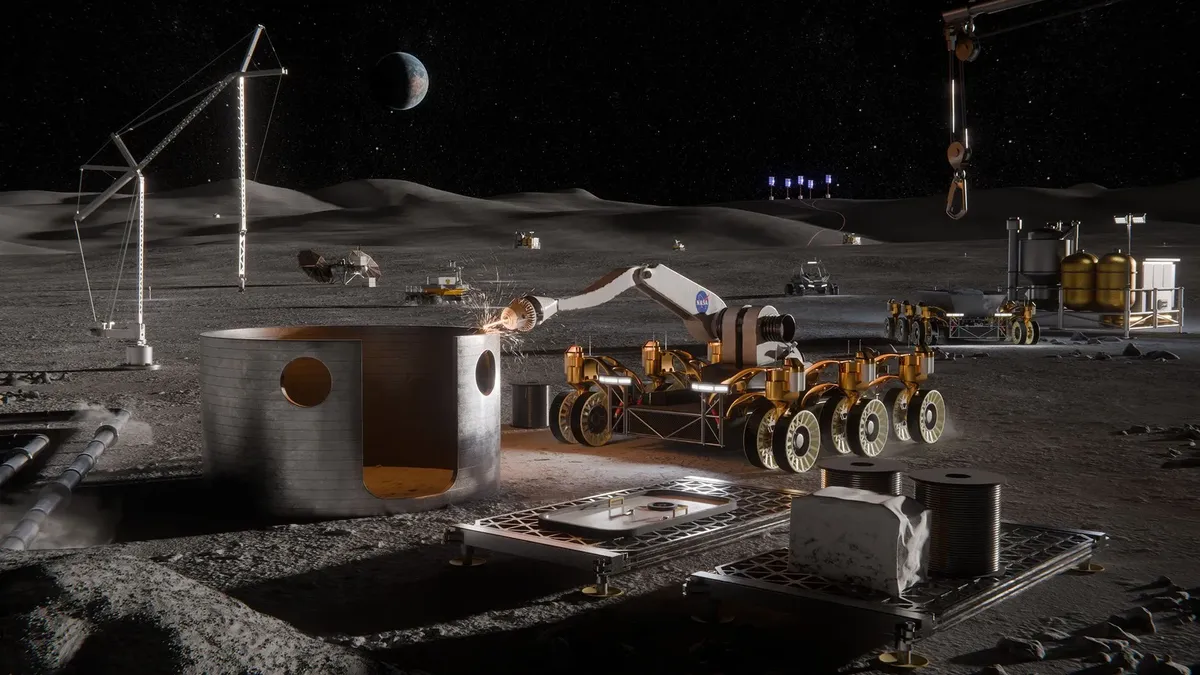
This isn't just a fancy tractor. This autonomous marvel needs to handle lunar dust (which is notoriously abrasive), wild temperature swings, and the kind of communication delays that would make a project manager weep. It needs to dig, grade, and prepare sites with almost no human intervention. Think of it as your Roomba, but for craters.
We're a new kind of news feed.
Regular news is designed to drain you. We're a non-profit built to restore you. Every story we publish is scored for impact, progress, and hope.
Start Your News DetoxTheir first full-scale lunar excavator prototype back in May 2025 proved the concept. Now, they're all about the hardware that will actually go to the Moon. Rob Meyerson, Interlune's CEO, put it simply: you can't have a permanent Moon base without reliable digging and autonomous movement. Which, if you think about it, is both impressive and slightly terrifying.
Vermeer brings nearly 80 years of Earth-side heavy machinery experience to the table, while Interlune handles the space-robotics wizardry. It's a partnership that combines the best of terrestrial grit with extraterrestrial ambition.
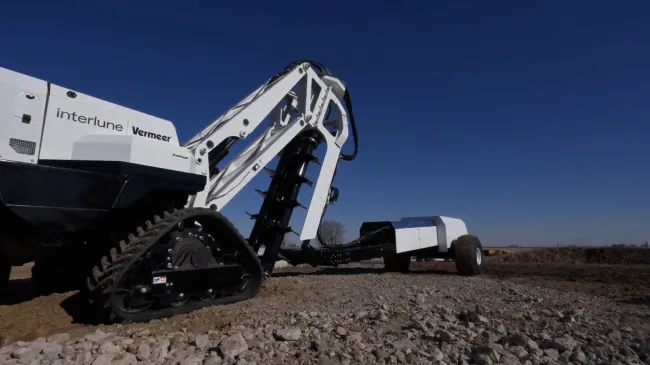
Jason Andringa, Vermeer's CEO, wryly noted that the Moon is "their most challenging job site yet." A fair assessment, considering the last time they probably dealt with this much dust, it was just a particularly dry summer in Kansas.
Laying the Foundation for the Future (Literally)
This ambitious 2028 target aligns perfectly with NASA's plans for a lunar base. Imagine: astronauts arriving to find the ground already prepped, landing pads smoothed, and transport routes cleared. It's less "one small step for man" and more "one giant leap for heavy machinery."
And if it works on the Moon, who knows? The same tech could eventually pave the way for construction on Mars. Because apparently, once you start building off-world, you might as well go big.