Turns out, you don't need a rocket scientist's degree to become a rocket scientist. Sometimes, you just need a really big balloon and a willingness to get your hands dirty. That's exactly what 48 undergrads discovered recently, thanks to NASA's Student Airborne Research Program (SARP).
These students spent their summer doing actual airborne field research, which included — and this is the best part — launching massive scientific balloons. Not for a party, mind you, but to measure ozone in the atmosphere. Because apparently, that's where the cool science happens now.
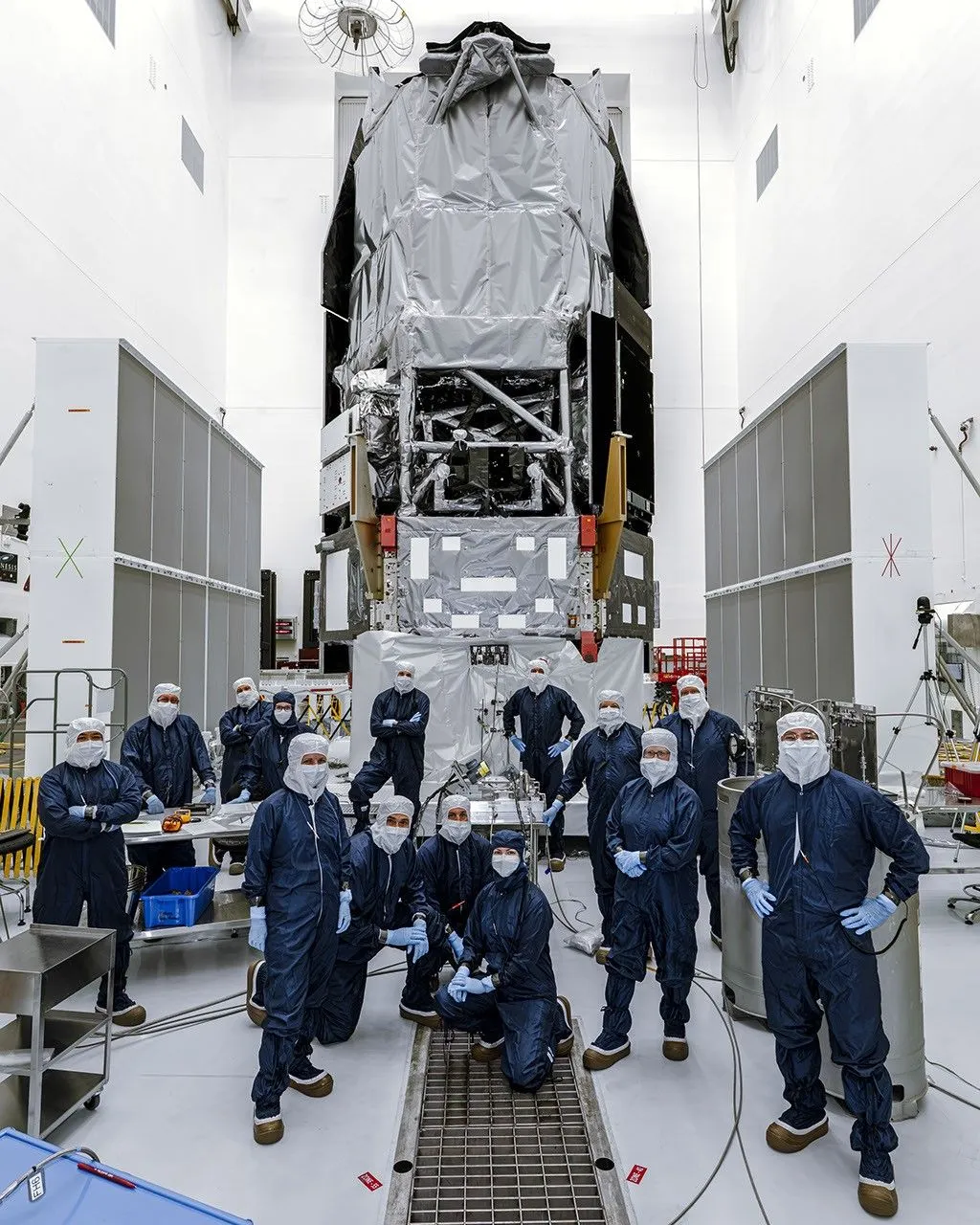
A dozen of these intrepid young minds dove headfirst into atmospheric research, working alongside seasoned instrument scientists and professors. Their mission, should they choose to accept it (and they did): prepare ozonesondes. This involved some chemical wizardry on sensor cells, then the very satisfying task of filling giant balloons with helium. Once aloft, they meticulously tracked the data as their scientific payload drifted skyward. Talk about a hands-on learning experience.
We're a new kind of news feed.
Regular news is designed to drain you. We're a non-profit built to restore you. Every story we publish is scored for impact, progress, and hope.
Start Your News DetoxNASA program manager Yaitza Luna-Cruz points out that this program offers a rather unique sneak peek into the wild world of Earth system science careers. Because who wouldn't want to tell people they launch balloons for a living?
Students were sorted into four elite squads: atmospheric science, oceans, terrestrial ecology, or hydrology. They didn't just collect data; they designed their own research projects, then got to present their findings. And just to keep things interesting, they compared their ground-level (or rather, balloon-level) measurements with data from actual NASA satellites. Chemistry student Marin Stevens summed it up as "awesome" and "beyond what I would have expected." Which, let's be honest, is high praise for anything involving chemistry.
The Sky's the Limit, Literally
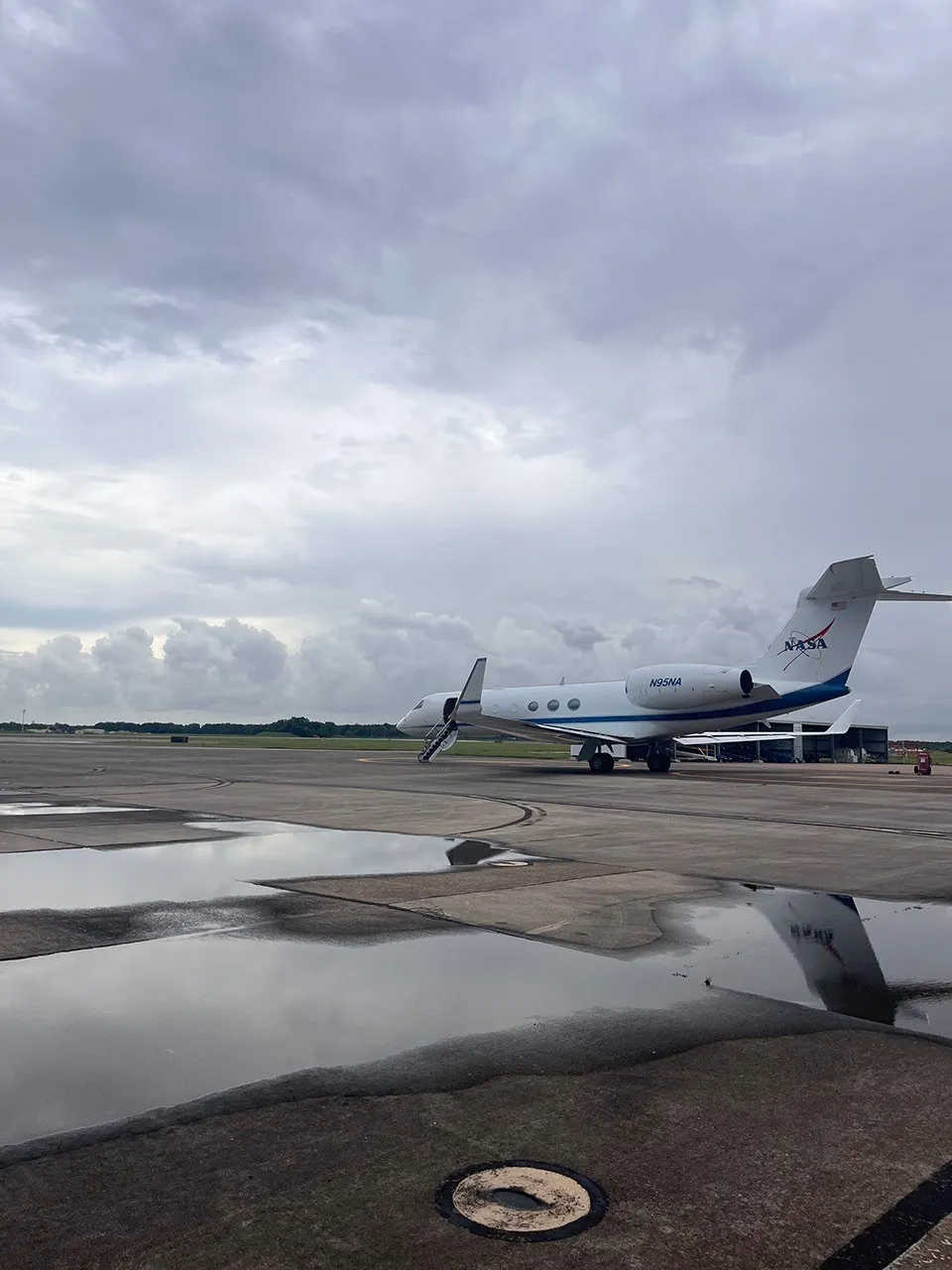
Beyond the balloons, the program's real high point was, well, airborne science. Five NASA science aircraft — including the rather impressive Gulfstream G-III, GV, and C-20A — were at their disposal. Students worked with scientists, operating instruments like lasers that scan for atmospheric particles. Because why just look at the sky when you can shoot lasers into it for science?
For many, this was their first rodeo in field research. After a two-week crash course in Houston, the groups fanned out, heading to California and Virginia to continue their atmospheric adventures. Joelle Hopkins, SARP project manager, highlighted the infectious passion of everyone involved. It's not every day you find mentors who are genuinely thrilled to build the next generation of scientists, one helium-filled balloon at a time.
The annual eight-week program is designed to give students a taste of what it's like to be a real scientist, from data collection and analysis to research flights and fieldwork. It's essentially a fast-track to making sure the future of STEM is in very capable (and slightly ozone-aware) hands. And if that's not enough to make you want to go back to college, what is?