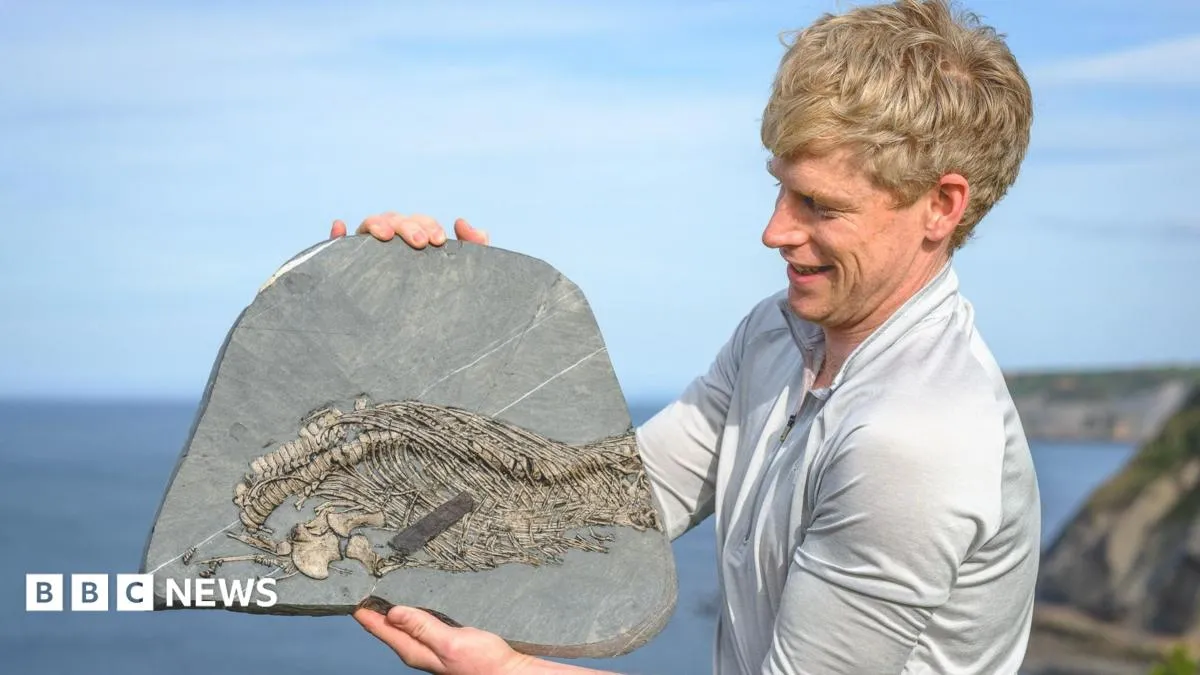
A mountaineer who nearly died in an avalanche found a rare "sea dragon" fossil in Wales. Matthew Myerscough discovered the marine reptile jawbone after turning to fossil hunting for recovery.
From Mountains to Marine Reptiles
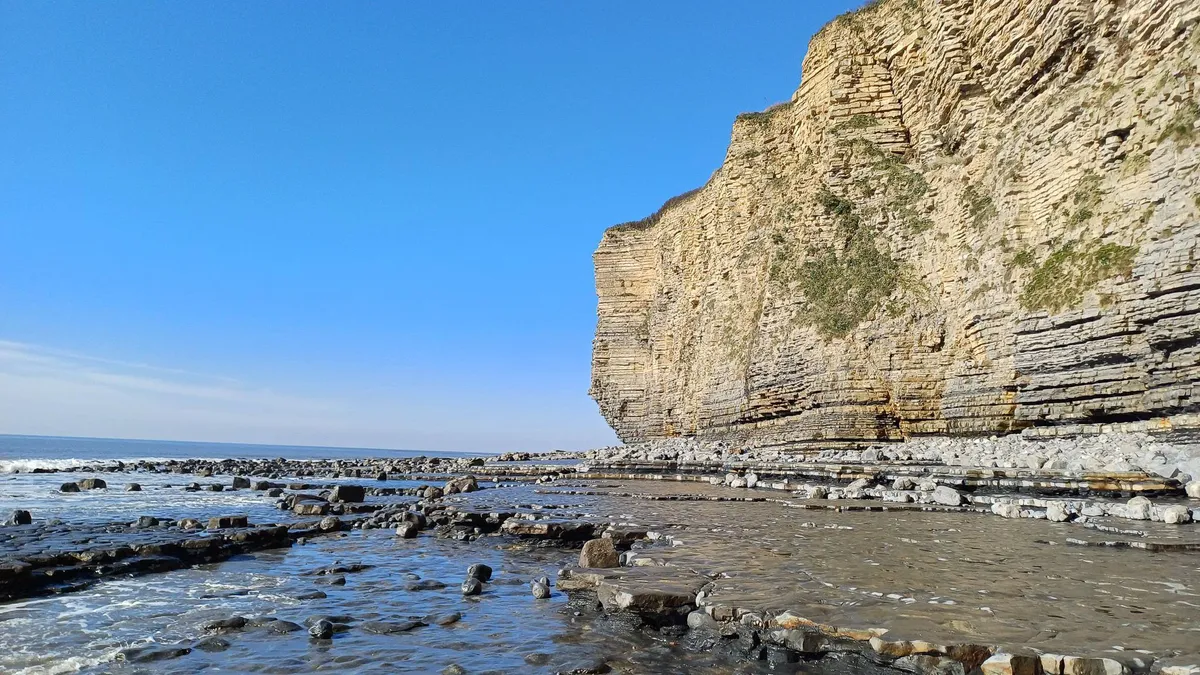
In 2014, Matthew Myerscough was buried under snow for 20 minutes in an avalanche on Yr Wyddfa (Snowdon). This near-death experience left him with post-traumatic stress disorder (PTSD). He then shifted his focus from mountaineering to fossil hunting on the beaches of Lavernock Point in the Vale of Glamorgan.
Myerscough, a civil engineer, found that the detailed work of fossil hunting helped ease his stress. He compared it to the mindfulness gained from yoga or sports. He said it became a tool to process his experiences.
We're a new kind of news feed.
Regular news is designed to drain you. We're a non-profit built to restore you. Every story we publish is scored for impact, progress, and hope.
Start Your News DetoxHis new hobby led to a significant discovery. He found a 201-million-year-old plesiosaur jawbone. This type of marine reptile, a rhomaleosaurus or "sea dragon," had never been found in Wales before. He and two other fossil hunters spotted a large shape in the limestone. Experts confirmed it was the lower jaw of the ancient carnivore. National Museum Cardiff is now researching the find. Myerscough hopes this will lead to an academic paper.
The Art of Fossil Hunting
Myerscough explains that fossil hunting is about spotting patterns in rocks. He often uses his eyes more than his hammer. He carries a hand lens for close inspection and good hiking boots.
He notes that at Lavernock Point, people can find loose fossils in the shingle. These include vertebrae from plesiosaurs or ichthyosaurs. Ribs and coprolites (fossilized animal waste) from prehistoric sharks can also be found. He calls it a "wonderful pastime" for families.
Myerscough has written a book, In Search of Sea Dragons: A Fossil Hunter's Odyssey. It focuses on the experience of finding fossils. He wanted to share what it was like to discover something on the beach. He noted that fossil hunters can sometimes be secretive about their finds. He wanted to openly share his discovery and its meaning to him.