Elon Musk announced Tuesday that SpaceX has acquired his AI company xAI, merging two of his most ambitious projects under one roof. The stated goal: build data centers in space that run on solar power, solving what Musk sees as an unsustainable problem on Earth.
The core tension is real. AI systems are extraordinarily power-hungry, and as demand accelerates, meeting that energy need through traditional grid infrastructure would require massive new power plants and cooling systems. Musk argues this creates an impossible choice: either constrain AI development or impose "hardship on communities and the environment." His solution is to move the problem to where energy is limitless — orbit.
"To harness even a millionth of our Sun's energy would require over a million times more energy than our civilization currently uses," Musk wrote in the announcement. Within 2 to 3 years, he predicts, space-based computing will be the cheapest way to generate AI power at scale.
We're a new kind of news feed.
Regular news is designed to drain you. We're a non-profit built to restore you. Every story we publish is scored for impact, progress, and hope.
Start Your News DetoxThe practical challenge
The merger consolidates SpaceX's rocket programs (Falcon and Starship), xAI's Grok chatbot, and Starlink's satellite internet service into a single operation. Both companies already hold significant contracts with NASA and the U.S. Department of Defense, giving them existing relationships and infrastructure.
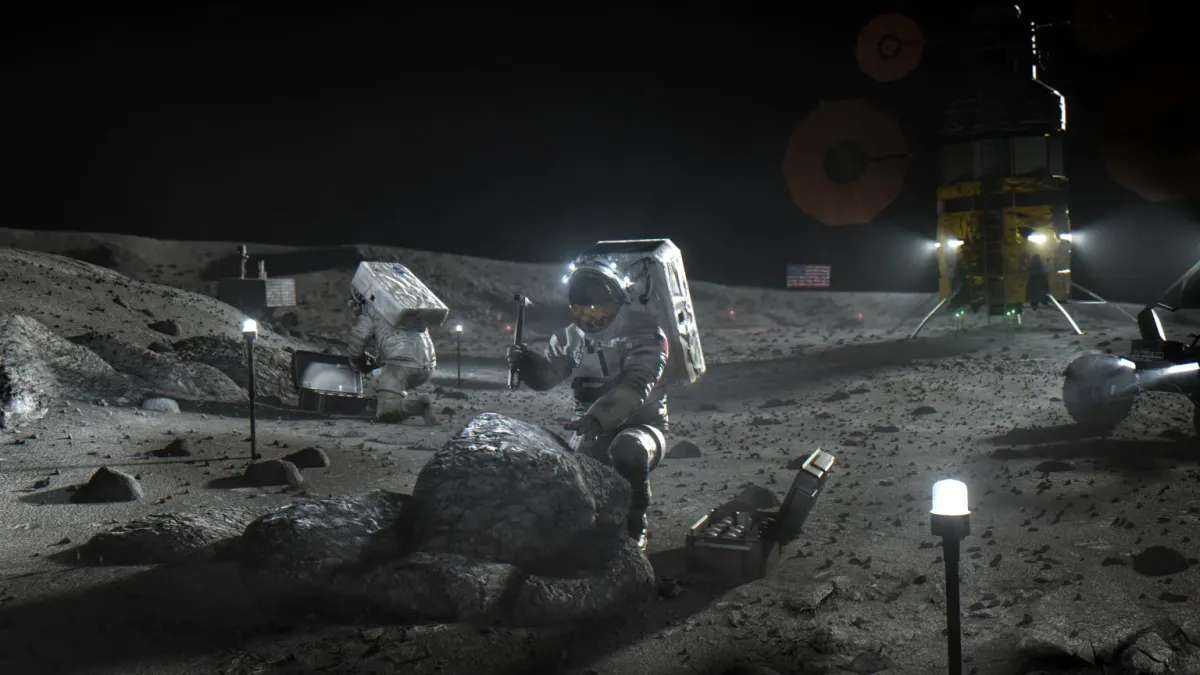
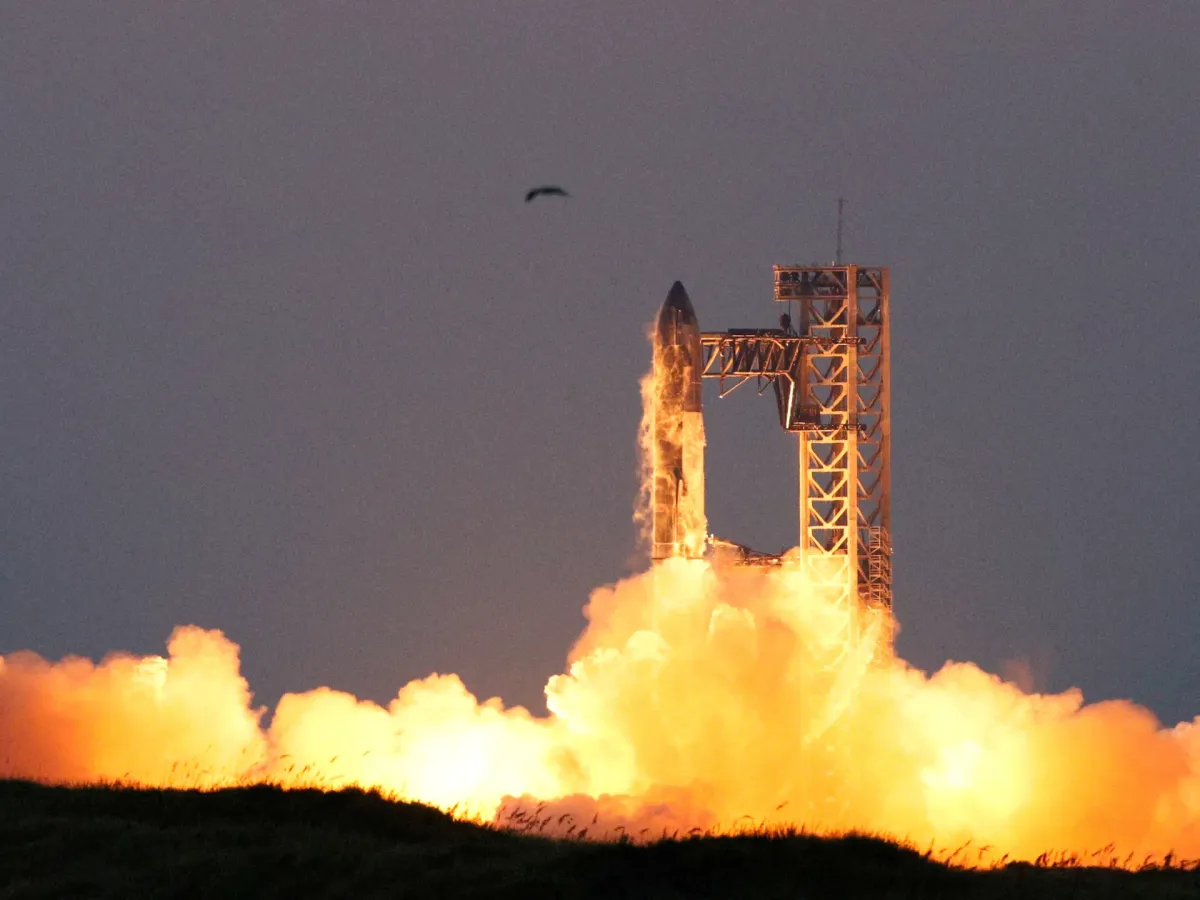
But Musk is candid about the engineering barrier: "In the history of spaceflight, there has never been a vehicle capable of launching the megatons of mass that space-based data centers or permanent bases on the Moon and cities on Mars require." That's why SpaceX's Starship program is designed to eventually launch one flight per hour with a 200-tonne payload — a scale of launch capacity that doesn't yet exist.
Musk isn't alone in pursuing this idea. Jeff Bezos's Blue Origin and Google's Project Suncatcher are both developing solar-powered space infrastructure. The difference is ambition: Musk's long-term plan includes launching a million satellites through Starlink, with a next-generation V3 constellation that would add more than 20 times the data capacity of current satellites.
Whether space-based data centers become reality depends on whether Starship can deliver on its promise of cheap, frequent launches. The physics is sound. The engineering is the open question.