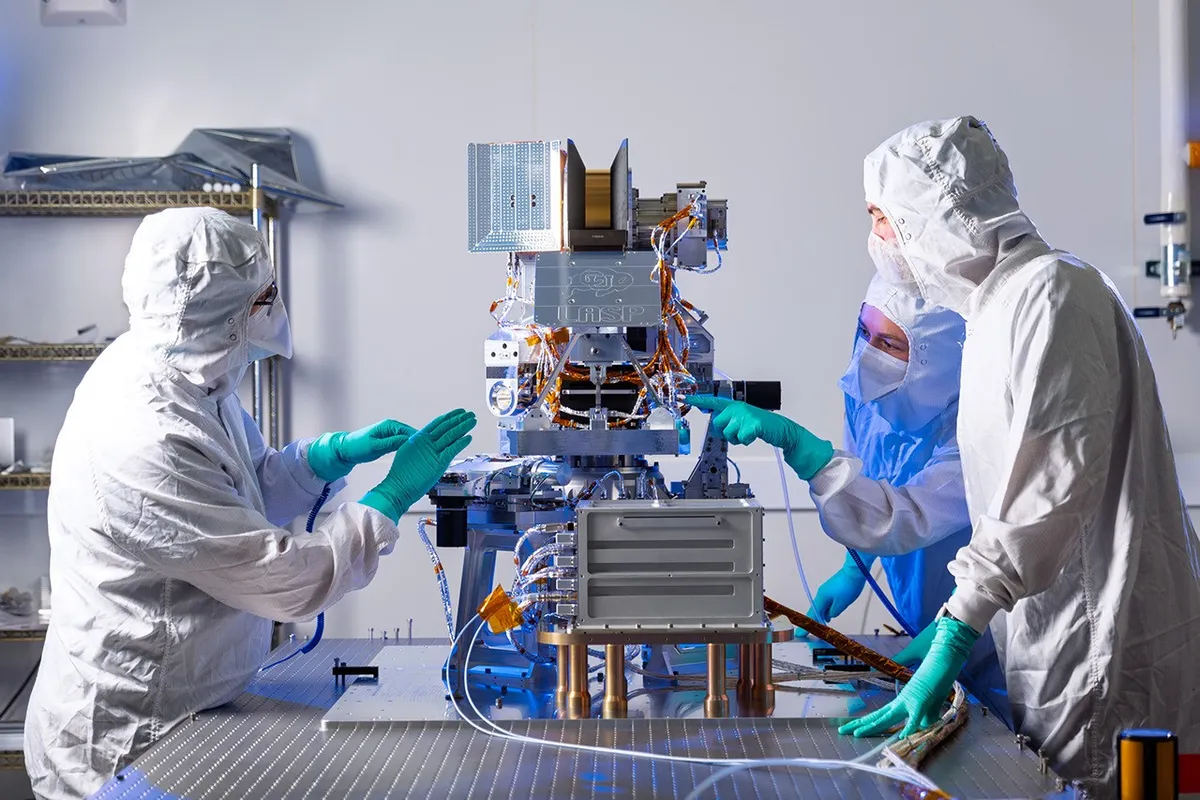
After months of rigorous testing that simulated the harsh vacuum and extreme temperatures of space, NASA's Libera instrument has cleared its final hurdle. The device is now ready to ship to Arizona for integration onto the JPSS-4 satellite, which will launch in 2027 as NOAA-22.
Libera has a straightforward but essential job: measure how much of the sun's energy Earth absorbs and how much it radiates back into space. This radiation budget—the difference between energy in and energy out—drives everything from hurricane formation to ocean currents to the stability of the polar ice sheets. It's the planet's thermostat, and for over 50 years, NASA has been reading it.
Why this matters now
The catch is that the current instruments doing this work—a series called CERES—are aging. They launched in the late 1990s and early 2000s, and while they've far outlasted their original design life, they won't last forever. Libera exists to ensure that critical data stream doesn't break. Without it, climate models lose a fundamental input. Weather forecasters lose precision. Agricultural planning, coastal risk assessment, energy grid management—all of these depend on knowing Earth's energy balance.
We're a new kind of news feed.
Regular news is designed to drain you. We're a non-profit built to restore you. Every story we publish is scored for impact, progress, and hope.
Start Your News DetoxThe University of Colorado Boulder's Laboratory for Atmospheric and Space Physics built Libera as part of NASA's Earth Venture Continuity program, which specifically targets these gaps: innovative, relatively low-cost ways to keep essential measurements going when older missions retire. The name itself is a quiet tribute—Libera was the daughter of Ceres in Roman mythology, honoring the instruments it will succeed.
Libera is the fifth and final instrument heading to Northrop Grumman's facility in Gilbert, Arizona, where it will be mounted alongside four other sensors on JPSS-4. Together, they'll form one of the most comprehensive Earth observation platforms in orbit, collecting data that feeds into everything from hurricane warnings to agricultural yield forecasts to long-term climate assessments used by governments and industries for strategic planning.
The thermal vacuum tests that just wrapped up were the final proof that Libera can survive the journey. When JPSS-4 launches in 2027 and Libera begins its work, it will pick up a data thread that stretches back decades—ensuring the world's understanding of Earth's energy budget remains unbroken.