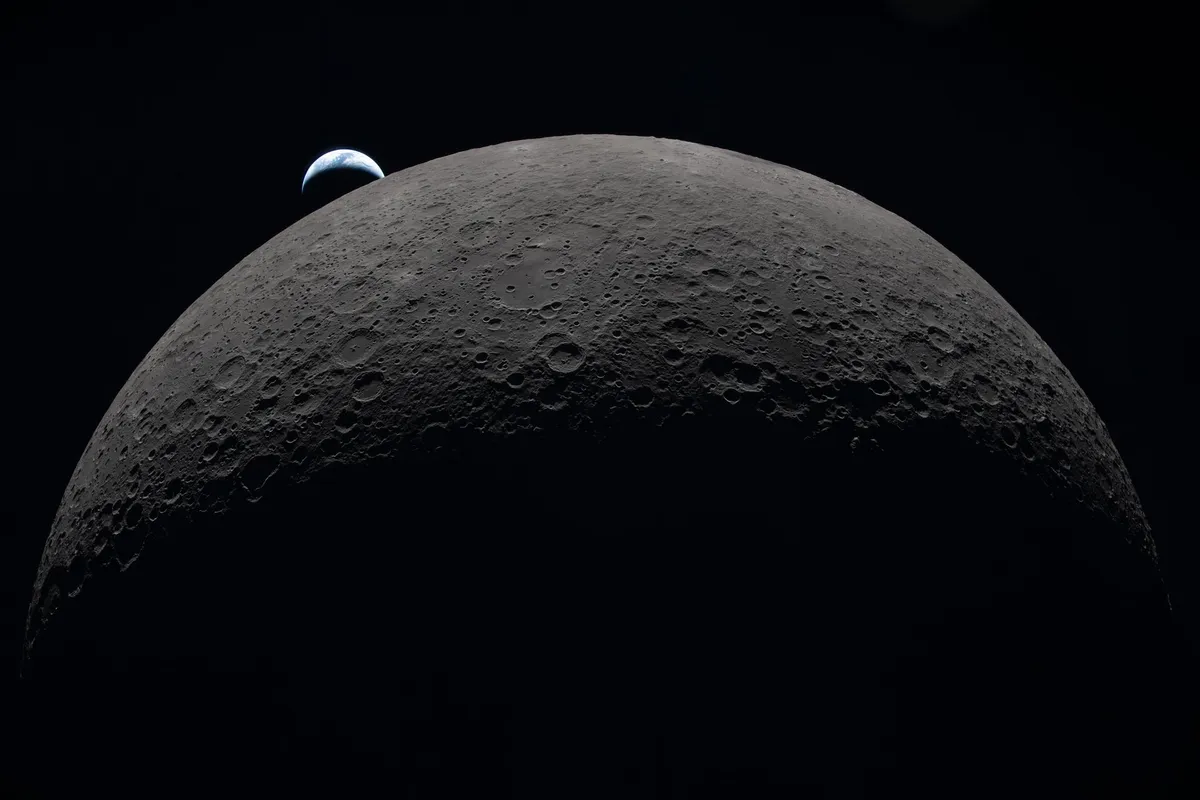
NASA and industry are working on ways to get resources from the Moon and Mars. This includes materials like hydrogen and helium-3 found in lunar soil, called regolith. This process, known as in-situ resource utilization (ISRU), lets explorers use what's already available on other planets. This could be water ice or minerals.
These resources are important for long missions. They could help with rocket fuel, making energy, life support, and other needs for astronauts in deep space.
Advancing Lunar Resource Technology
NASA is supporting ISRU technologies. The agency gave a $6.9 million contract to Interlune of Seattle. Interlune focuses on developing natural resources beyond Earth.
We're a new kind of news feed.
Regular news is designed to drain you. We're a non-profit built to restore you. Every story we publish is scored for impact, progress, and hope.
Start Your News DetoxThis funding comes from a NASA Small Business Innovation Research (SBIR) award. This program helps move technology into NASA missions or the private sector. Interlune will use the money to test tools for finding resources. This will make future lunar missions more self-sufficient, meaning they won't need as many supplies from Earth.
This new work builds on past efforts with NASA's Flight Opportunities program. Interlune previously built and tested prototypes on special flights that mimicked lunar gravity.

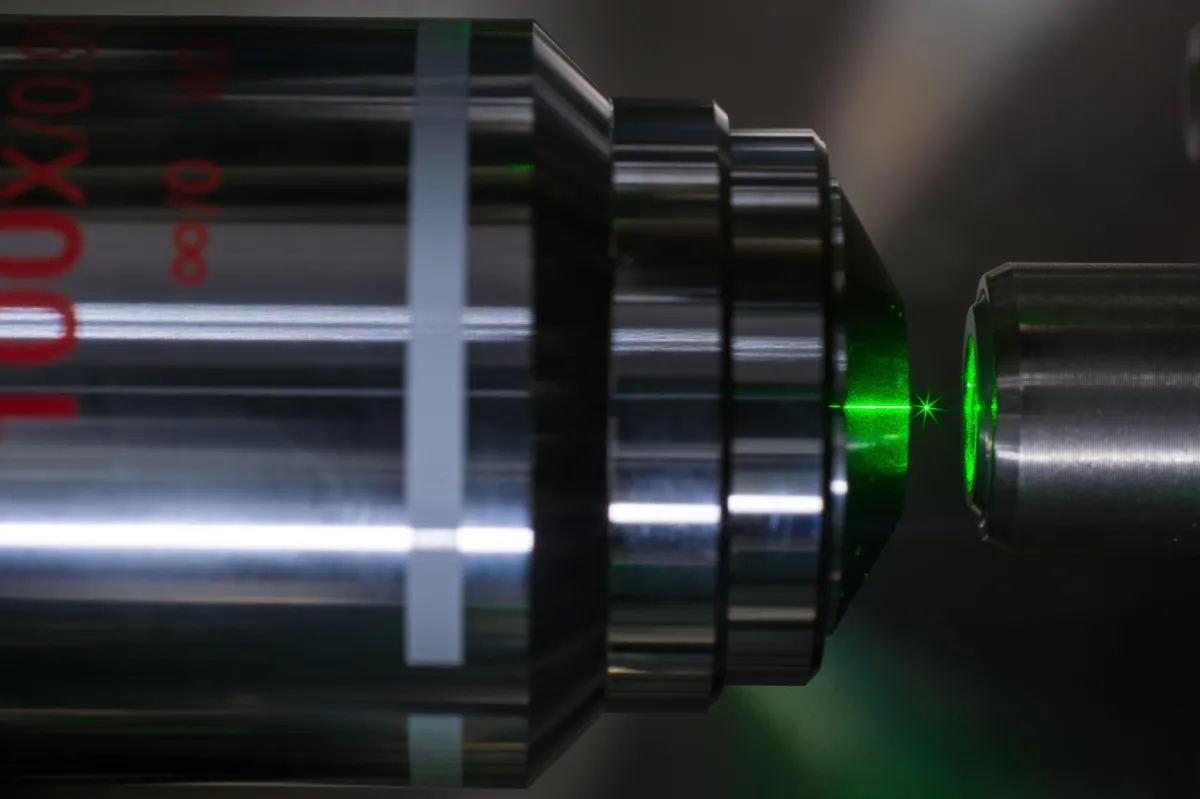
Under the SBIR Phase III contract, Interlune will design, build, and test new hardware. This equipment will collect lunar regolith, sort particles, extract gases from solar wind, and measure them. The design includes a mass spectrometer. This device is based on NASA’s Mass Spectrometer Observing Lunar Operations (MSOLO) technology. It will measure gases released from lunar soil.
The Role of MSOLO Technology
MSOLO was developed at NASA’s Kennedy Space Center. It's a small, tough mass spectrometer that analyzes gases and the chemical makeup of lunar landing sites. NASA’s Game Changing Development program created MSOLO. The technology was tested in lunar conditions during the Intuitive Machines 2 mission to the Moon's South Pole in 2025.
Michael Johansen, Deputy Program Manager for NASA’s Game Changing Development Program, said NASA wants to improve technologies so industries can use them. He noted that MSOLO becoming a flight-ready instrument is a great example of this success. He is excited to see this proven technology used by industry for commercial resource prospecting.
NASA’s MSOLO technology is available for commercial use. It can be adapted for ground tests and different flight setups. The instrument has a computer for processing data and a system to check and adjust its readings on the Moon.
This data will help both commercial developers and NASA’s Artemis program. Its software already works with four different Commercial Lunar Payload Services (CLPS) lander designs. This shows its flexibility for commercial lunar missions.
NASA's investments in lunar surface technology from commercial partners are key to having a lasting presence on the Moon. By improving resource-finding tools and technologies that use lunar materials, these efforts will make future exploration missions less costly and complex.
Opportunities for Small Businesses
NASA’s Small Business Innovation Research (SBIR) and Small Business Technology Transfer (STTR) programs are managed by the Space Technology Mission Directorate. These programs offer funding and support to entrepreneurs, startups, and small businesses. This helps them build, improve, and sell their technologies. These efforts advance NASA missions and help solve important national challenges.
This year, NASA’s SBIR/STTR program is using a Broad Agency Announcement (BAA) framework. This will create more opportunities for small businesses and make the agency more agile. The 2026-2027 BAA appendices, which list topics for technology proposals, close on May 21.
Businesses and institutions interested in applying can visit the information hub for details.
Deep Dive & References
2026-2027 BAA appendices - SAM.gov Information hub for applying to SBIR/STTR - NASA.gov