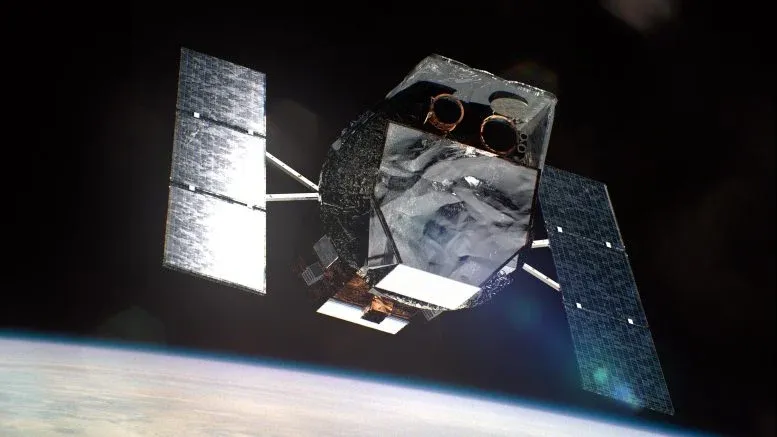
NASA's Neil Gehrels Swift Observatory, a cosmic workhorse for over two decades, is back online and peering into the universe. Which is excellent news, considering it's slowly but surely falling back to Earth. Yes, you read that right: the telescope is in a controlled, scientific freefall.
For months, two of Swift's three instruments—the Ultraviolet/Optical and X-ray telescopes—were powered down. This wasn't some cosmic siesta; it was a desperate attempt to reduce drag and keep the spacecraft in orbit a little longer. The third instrument, the Burst Alert Telescope, has been off since April, saving precious power so engineers could angle Swift's solar panels just right, further reducing atmospheric resistance. The plan is to bring that last one back online in the coming weeks.
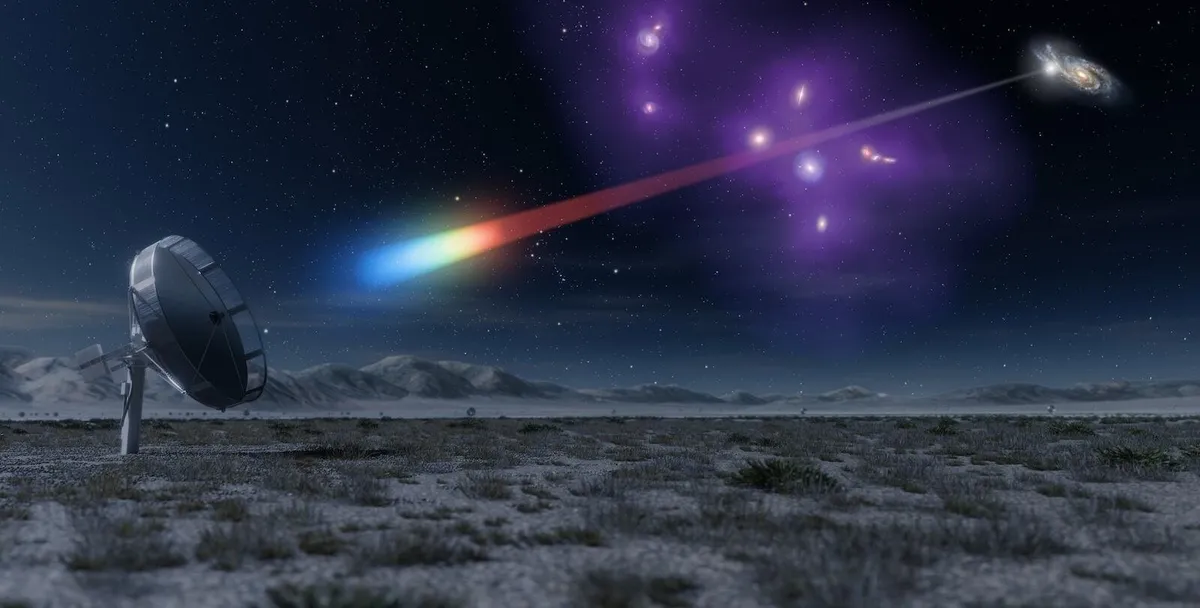
Now, with its scientific eyes wide open again, Swift is doing what it does best: observing the cosmos in different types of light and, crucially, swiveling quickly to catch fleeting, unpredictable events like gamma-ray bursts. It's the universe's fastest paparazzi, alerting other observatories to cosmic fireworks before they fade away.
We're a new kind of news feed.
Regular news is designed to drain you. We're a non-profit built to restore you. Every story we publish is scored for impact, progress, and hope.
Start Your News DetoxWhy Swift Is Taking the Scenic Route Down
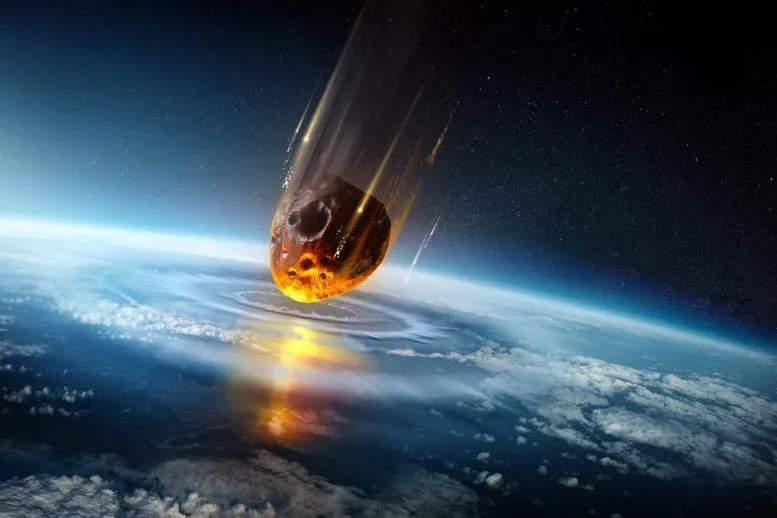
Swift's problem isn't a lack of scientific prowess; it's a lack of thrusters. Unlike many satellites, Swift can't fire its engines to push itself higher. It's stuck in low Earth orbit, where even the thinnest wisps of atmosphere create drag, slowly but relentlessly pulling it closer to home. Recent solar activity hasn't helped, heating and expanding Earth's upper atmosphere, making it denser and increasing drag. Swift started falling faster than anyone anticipated.
There was a plan, a daring one, involving a commercial mission to send another spacecraft, LINK, to rendezvous with Swift, grab it, and hoist it to a higher, safer orbit. Katalyst Space had just one year to design, build, test, and launch LINK. It launched in July, but then... problems. LINK couldn't control its position properly.
So, on August 19, the capture and boost mission was officially scrapped. LINK will still meet Swift in orbit and perform some close-proximity maneuvers, testing out technology for future satellite servicing. Think of it as a very expensive, very high-stakes practice run for space mechanics.
Before the rescue mission was canceled, NASA hoped low-drag operations would keep Swift above 185 miles (300 kilometers) until October. That altitude is the unofficial line in the sand; below it, operations get harder, and the descent accelerates. Now, with science observations restarted and the drag-reducing angles gone, Swift is expected to hit that 185-mile mark within the next month or two.
So, for now, Swift is making the most of its remaining altitude, continuing its two-decade-plus mission. It's a scientific sprint against gravity, proving that even as it falls, it's still reaching for the stars.