Turns out, Neanderthals were onto something pretty clever. New research suggests they might have used birch tar, that sticky stuff found at their ancient sites, as an antibiotic. Yep, before modern medicine, they could have been treating wounds with tree sap.
For a long time, we thought this thick, black goo was just superglue for their stone tools. It helped them attach handles to blades, making stronger spears and axes. But a team of researchers decided to dig deeper.
More Than Just Tool Glue
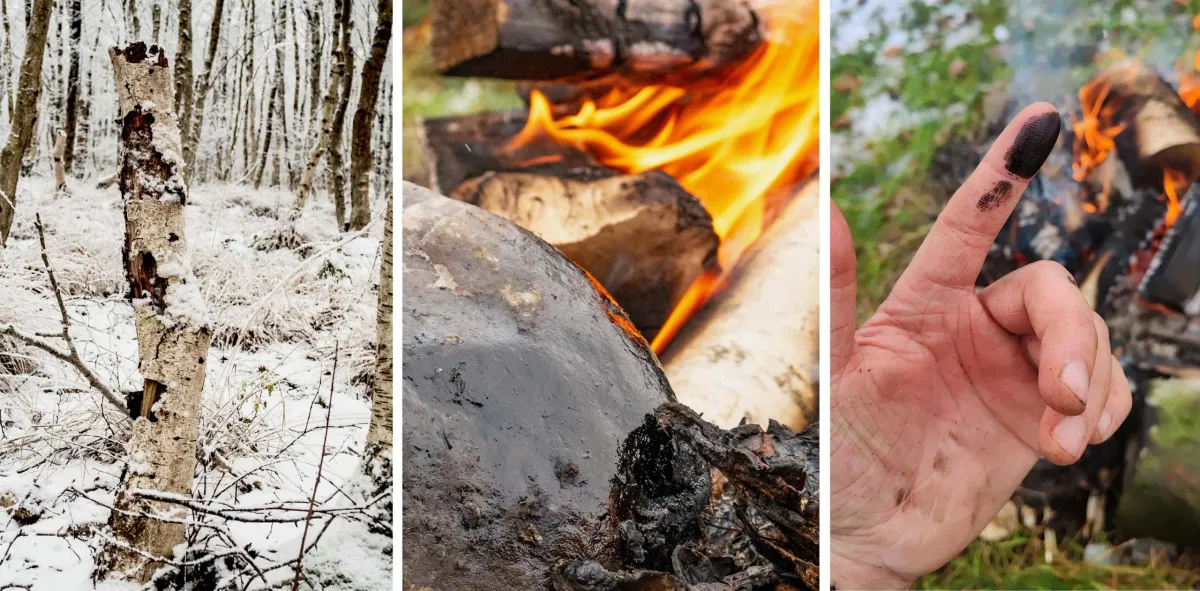
Birch tar comes from birch bark. Neanderthals made it by heating the bark in clever ways, like burying it in a pit or pressing it against hot stones. The process would squeeze out this dark, sticky resin.
We're a new kind of news feed.
Regular news is designed to drain you. We're a non-profit built to restore you. Every story we publish is scored for impact, progress, and hope.
Start Your News DetoxWhat's wild is that people in many cultures have used birch tar for medicine for ages. And there's growing evidence that Neanderthals were pretty savvy about using plants for healing. So, researchers wondered: could this ancient glue also be an ancient medicine?
The team recreated birch tar using methods Neanderthals would have known. Then, they put it to the test against bacteria. They found that every single sample stopped Staphylococcus aureus from growing. That's a nasty bacteria that causes wound infections and is tough for modern antibiotics to beat.
Think about that: Neanderthals might have been using a natural antiseptic to fight off infections that even today's hospitals struggle with. It's a seriously cool peek into their medical knowledge. This wasn't just about survival; it was about thriving.
This discovery doesn't just make Neanderthals look smarter. It also gives us something to think about today, especially with drug-resistant bacteria becoming a huge problem. Maybe some old-school remedies still have lessons for us in the fight against superbugs.