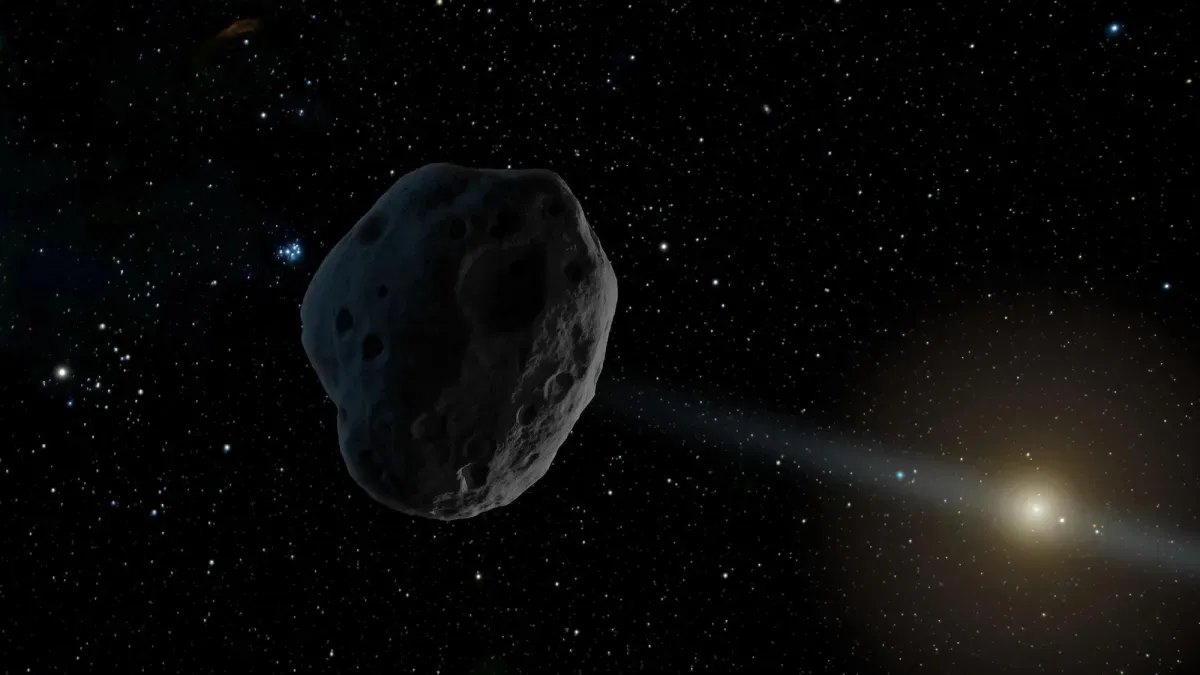
On August 28, 2025, a team of astronomers had a date with an asteroid named 1998 SH2. They pointed NASA’s Deep Space Network radar system at a spot two million miles from Earth, expecting to see a familiar rocky face.
Except, 1998 SH2 wasn't there. Or, more accurately, it was, but it was doing something entirely unexpected. Its orbital path had veered, subtly, but enough to make it a no-show for the scheduled rendezvous. Which, for an object barreling through space, is a bit like your friend saying they're five minutes away and then showing up in a different city.
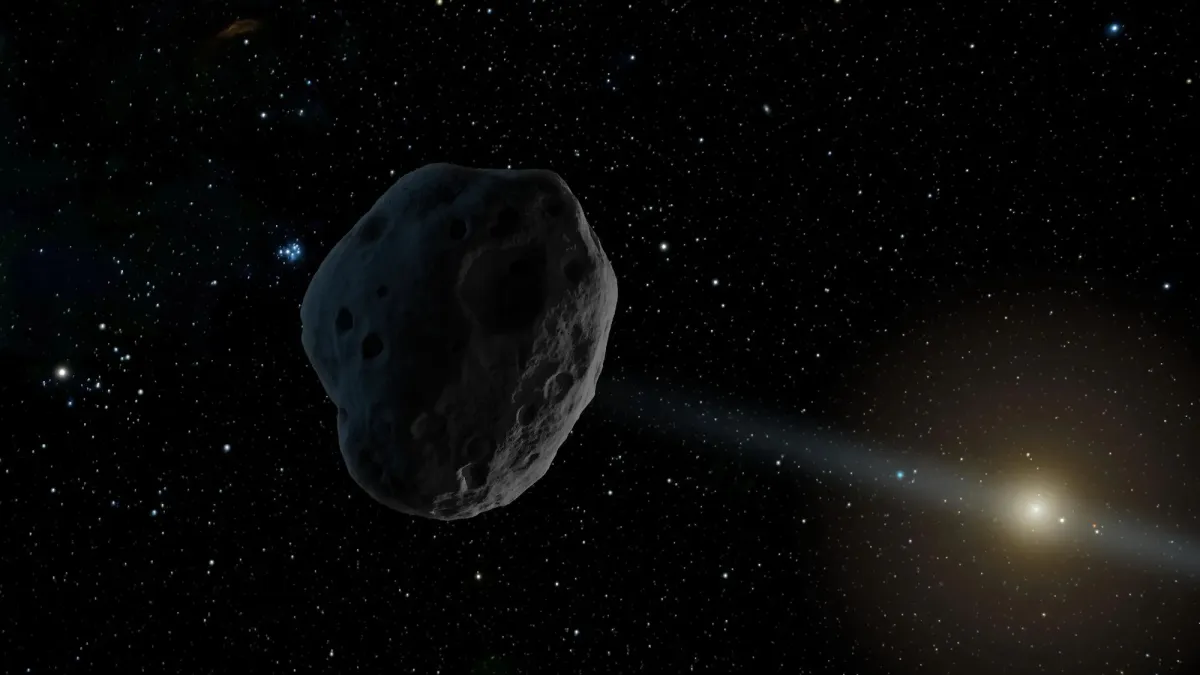
The Case of the Missing Asteroid
Naturally, this sent the astronomers scrambling. They turned to optical telescopes, finally locating 1998 SH2. That's when the real surprise hit: they'd been looking at the wrong kind of space rock entirely.
We're a new kind of news feed.
Regular news is designed to drain you. We're a non-profit built to restore you. Every story we publish is scored for impact, progress, and hope.
Start Your News DetoxDavide Farnocchia, a navigation engineer at NASA, explained the predicament. The way 1998 SH2 was moving just didn't compute for an asteroid. Asteroids are the solar system's stoic, rocky leftovers, mostly metal and stone. Comets, on the other hand, are the icy, dusty rebels from the outer solar system. They like to put on a show, vaporizing ice into gas when warmed by the sun, often sporting a dramatic tail.
The last time 1998 SH2 was observed was in 2016. Farnocchia's team re-examined that old data, suspecting the object might be expelling tiny amounts of gas — a subtle tell-tale sign of a comet. For smaller comets, these signs are notoriously hard to spot, like trying to find a wisp of smoke from a distant candle.

Working with astronomers in Hawaii and Chile, Farnocchia’s team aimed powerful telescopes at the object. Their findings, published in Nature Astronomy, finally cracked the case.
"The images we collected from these observatories showed a weak but clear tail," confirmed Olivier Hainaut, an ESO astronomer. Case closed. 1998 SH2 was a comet all along.
This reclassification isn't just a cosmic administrative correction. It helps us understand "dark comets" — objects that orbit strangely but don't flash their tails for everyone to see. Since the first one was identified in 2016, about a dozen more have been found. Meaning, some of those "asteroids" we've been tracking might just be comets playing coy.
Knowing the true identity of these celestial travelers is surprisingly crucial for planetary defense. Farnocchia noted that detecting these subtle orbital shifts is a key tool, not just for identifying comets, but for understanding how their paths change and, critically, how that affects any potential impact risks to Earth. Because apparently, even space rocks can have identity crises, and it's best we know who's who.