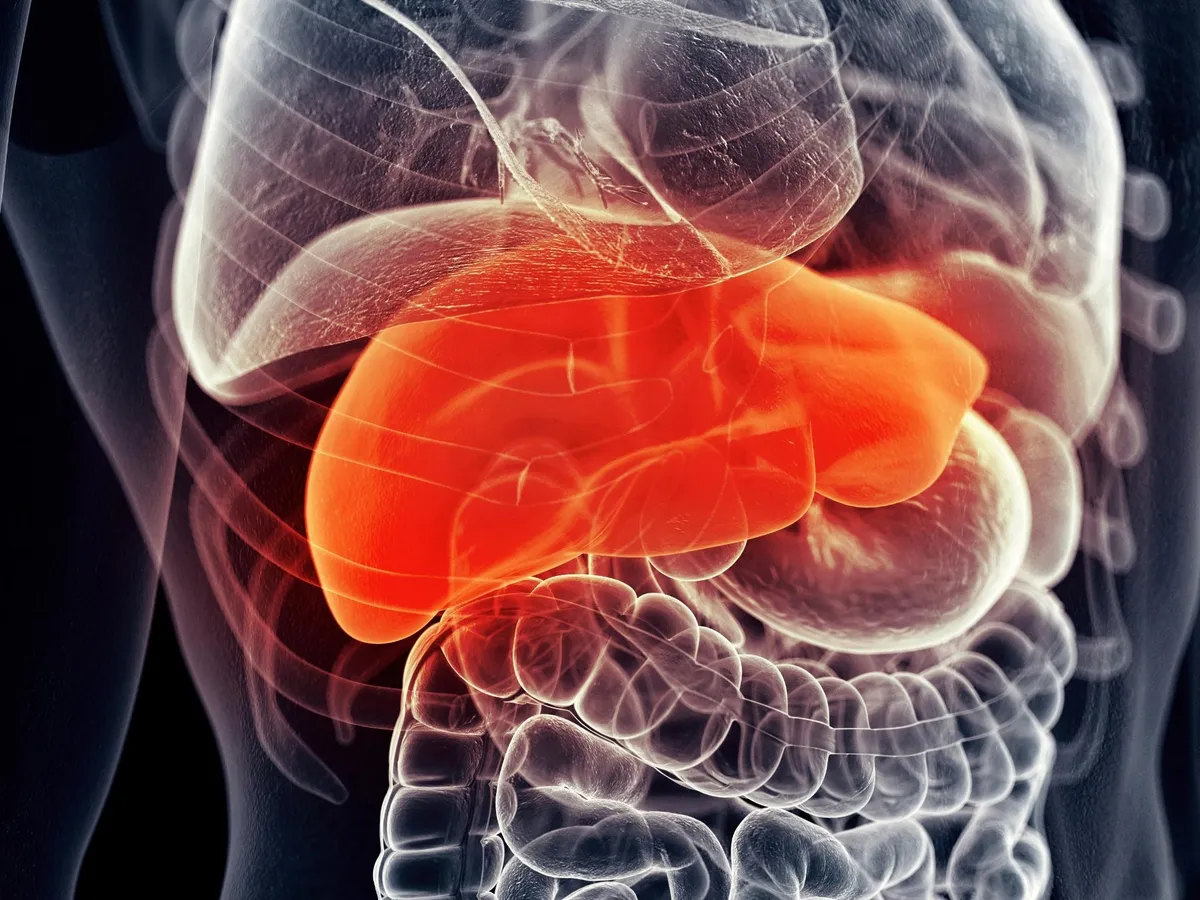
When a surgeon removes damaged sections of the small intestine, it can save a life. But the operation often triggers a brutal long-term consequence: the liver starts to fail. About 15% of patients who undergo this surgery eventually need a liver transplant because of progressive liver damage. Until now, there's been nothing doctors could do to stop it.
Researchers at Washington University School of Medicine just changed that. They've developed and tested a new compound in mice that appears to protect the liver while also helping the body absorb nutrients better after surgery. The drug works locally in the intestines rather than flooding the whole body, which means fewer side effects. The findings landed in Gastroenterology on March 6.
"Our goal is to advance a therapeutic drug capable of preserving liver function and mitigating the necessity for liver transplants," said Gwendalyn Randolph, PhD, the study's senior author. "This study offers a promising pathway for developing such a treatment."
We're a new kind of news feed.
Regular news is designed to drain you. We're a non-profit built to restore you. Every story we publish is scored for impact, progress, and hope.
Start Your News DetoxHow the Problem Starts
Small bowel resection is especially common in premature infants with necrotizing enterocolitis, a severe infection that kills sections of intestine and requires surgical removal. Survive the surgery, and you face short bowel syndrome — a shortened intestine that can't absorb enough nutrients on its own.
These kids end up tethered to feeding pumps that deliver nutrition directly into their veins, sometimes for years. The problem: harmful substances produced by gut bacteria travel to the liver after surgery and damage it over time. Eventually, some of these patients need a liver transplant before they're teenagers.
In 2021, the same research team made a key discovery. They found that HDL — the "good" cholesterol — can shield the liver from these bacterial toxins. That insight led them to a class of drugs called liver X receptor agonists, which boost HDL production. But earlier attempts at these drugs had a major flaw: they worked everywhere in the body, causing serious side effects.
So the team took a different approach. They designed a "gut-restricted" version that acts only in the intestines.
The Compound That Works
The researchers dusted off an old pharmaceutical compound that had never made it to market and had Bahaa Elgendy, an associate professor of anesthesiology, synthesize a new version. They called it WUSTL0717.
When they gave it orally to mice three weeks after surgery, something promising happened. The treated mice absorbed nutrients more effectively and gained more weight than untreated mice. On the liver front, the results were even more striking. The drug reduced scarring — fibrosis — in the liver tissue. Treated mice had lower levels of collagen, the main component of scar tissue, compared with both untreated mice and mice that had fake surgery.
Genetic analysis showed the compound also quieted genes linked to fibrosis and collagen buildup. The drug stayed concentrated in the intestines instead of spreading throughout the body, which is exactly what the team wanted.
"This precision-based strategy allows us to revisit important biological targets that were previously considered too challenging to develop safely," Elgendy said.
What Comes Next
The team has filed a patent for WUSTL0717 and plans to test whether the compound continues protecting the liver when animals receive intravenous nutrition — the feeding method that places extra strain on the liver in real patients.
If human trials eventually happen, this could mean kids with short bowel syndrome might avoid the liver transplant that currently looms over their futures. That's not a small thing.