Most electronics throw in the towel around 392°F. Your phone, your car's computer, even that fancy smart toaster – they all tap out when things get too toasty. But what if you need a chip that can survive a trip to hell, or at least, Venus?
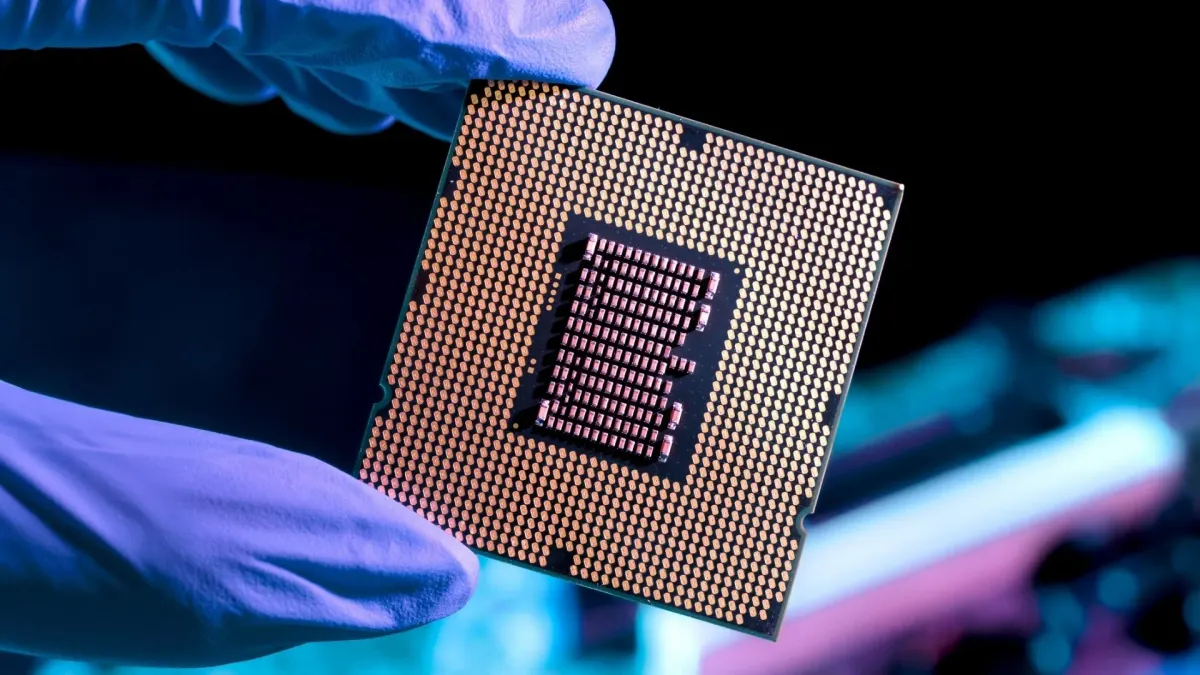
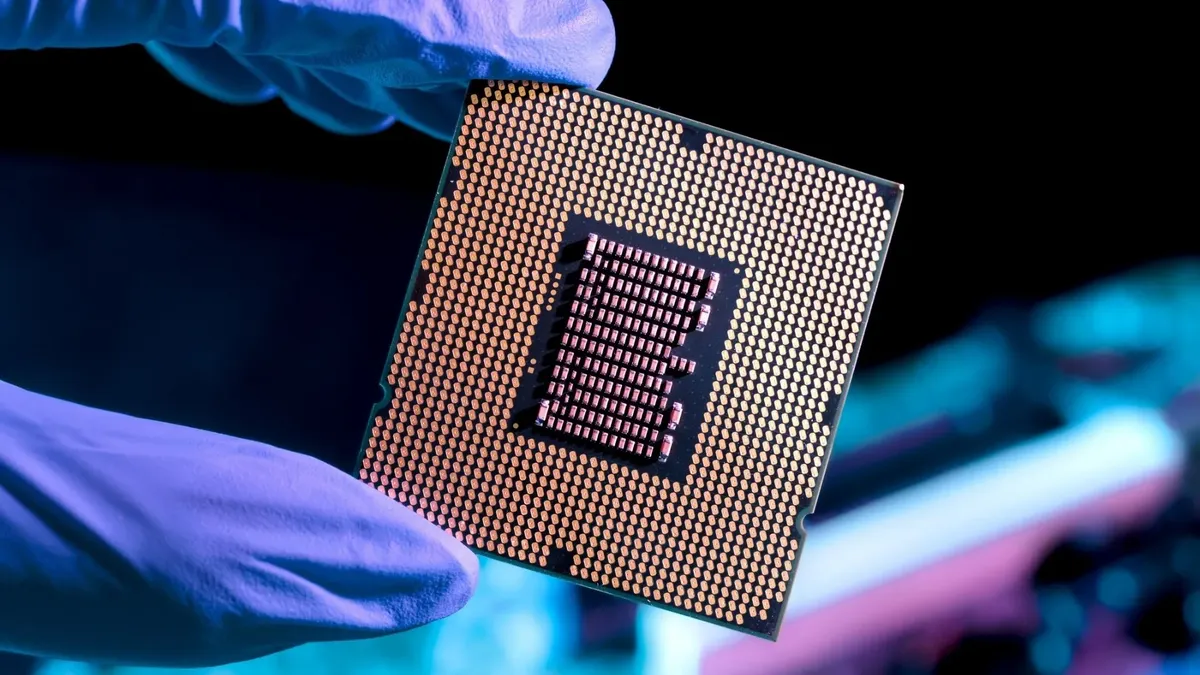
Enter the new memory chip from the University of Southern California, which just shrugged off a blistering 1,292°F (700°C) without breaking a sweat. For context, that's hotter than molten lead. And the researchers? They reported that 1,292°F was merely the hottest their equipment could get, implying the chip probably had more to give. Because apparently that's where we are now.
Joshua Yang, one of the brilliant minds behind this absurdity, didn't mince words, calling it a "revolution" and "the best high-temperature memory ever shown." Which, if you think about it, is both impressive and slightly terrifying.
We're a new kind of news feed.
Regular news is designed to drain you. We're a non-profit built to restore you. Every story we publish is scored for impact, progress, and hope.
Start Your News DetoxThe Accidental Ingredient
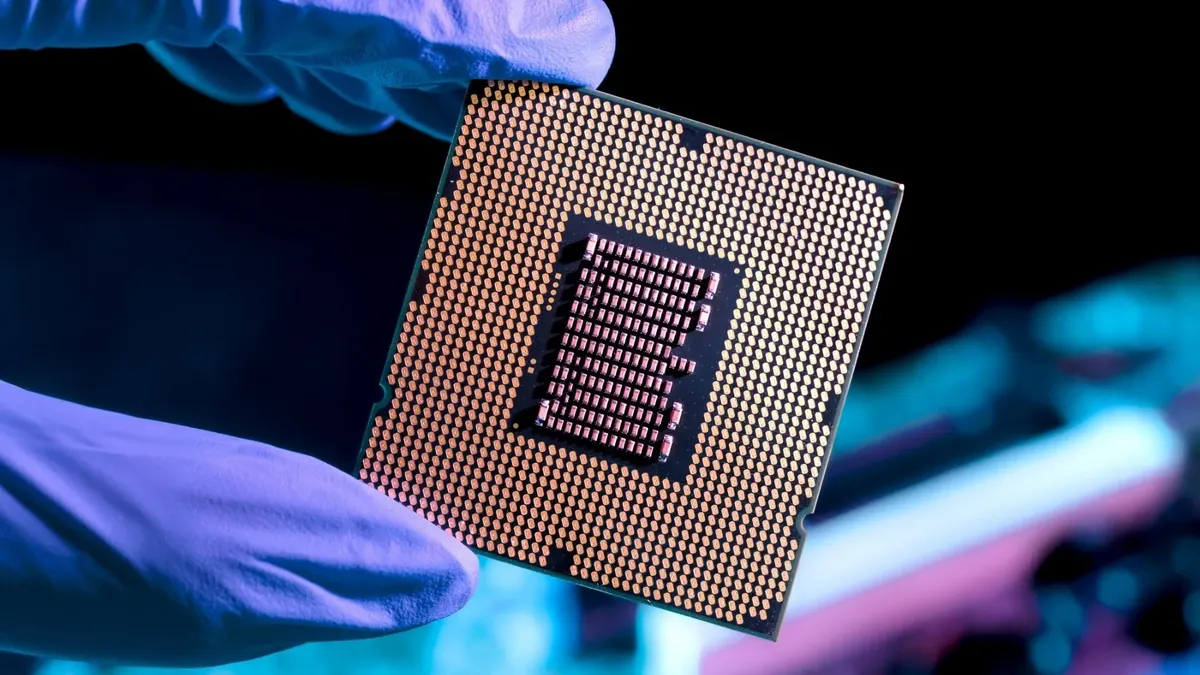
This isn't your grandma's silicon. It's a memristor, a tiny component that can store data and perform calculations. It's built like a sandwich: two electrode layers with a sliver of ceramic in between. The top is tungsten (highest melting point of any metal, naturally), the middle is hafnium oxide ceramic, and the bottom? Graphene. Yes, the single-atom-thick carbon wonder material.
This tiny titan held data for over 50 hours at 1,292°F without a refresh. It also endured over a billion switching cycles at that temperature, all while sipping a mere 1.5 volts. Let that satisfying number sink in.
The real kicker? The breakthrough was, as Yang puts it, "accidental." Because, as he wisely observes, if you can predict it, it's probably not all that surprising or important. In regular chips, extreme heat causes metal atoms to migrate and short-circuit the device. But graphene, in its infinite wisdom, stopped this. The interaction between tungsten and graphene prevented the tungsten atoms from sticking, forcing them to just... wander off, rather than ruining the party.
From Venus to Your Car's Brain
Being able to use electronics above 932°F (500°C) has been the Holy Grail for space agencies, particularly for missions to Venus, where surface temperatures are, shall we say, unpleasant. Current silicon chips would simply melt into a sad puddle.
But the applications stretch beyond our fiery planetary neighbor. Think geothermal drilling, nuclear energy, or industrial settings where heat is just a fact of life. Even the electronics in your car could benefit; devices built to handle a thousand degrees would likely last a very, very long time under normal highway conditions.
And if that's not enough, these memristors also show promise for AI computing, potentially leading to faster, more energy-efficient processing. So, the next time your phone feels a little warm, just remember there's a chip out there that considers 1,292°F a pleasant afternoon.