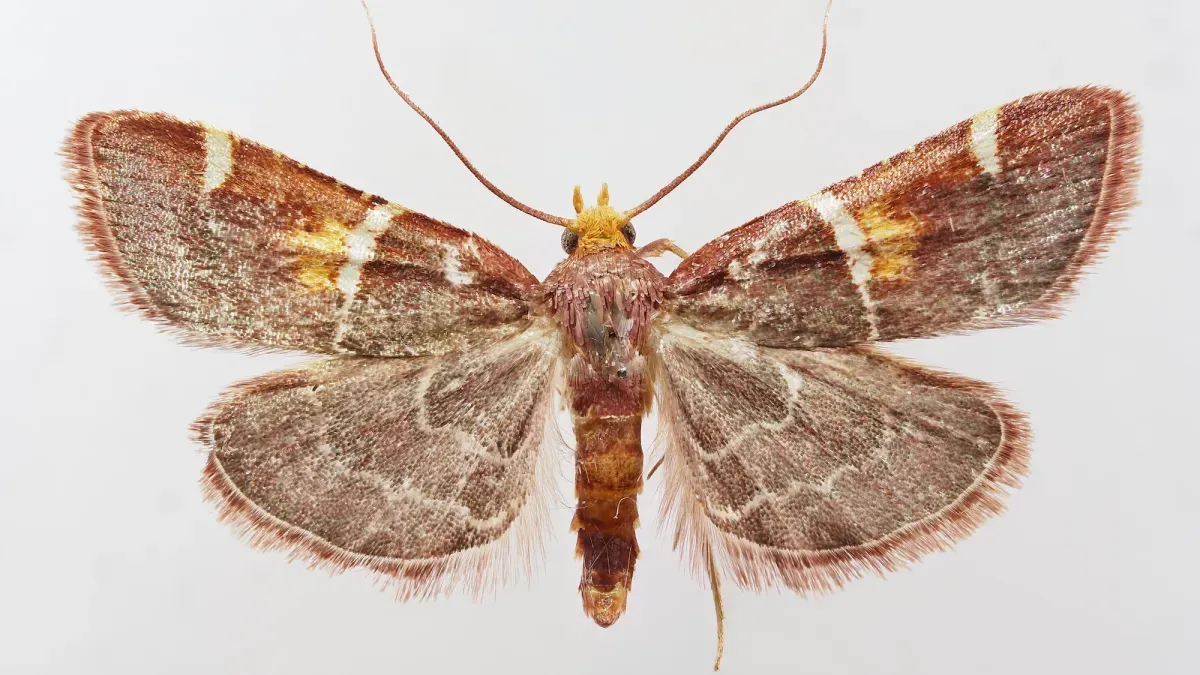
Most people get a fruit basket or a nice card. Pope Leo XIV, however, just received a new insect. Specifically, a rather striking moth, recently discovered flitting around the island of Crete, has been christened Pyralis papaleonei — or, if you prefer, the Pope Leo moth.
Because apparently, that's where we are now: naming moths after religious leaders who champion environmental causes. Which, if you think about it, is both impressive and slightly terrifying for the moth. No pressure, little guy.
The scientists behind this holy nomenclature made it clear: the name is a nod to the Pope's outspoken advocacy for climate and environmental protection. They're hoping his rather influential voice can inspire a bit more humanity from humanity. A tall order for a moth, but someone's gotta do it.
We're a new kind of news feed.
Regular news is designed to drain you. We're a non-profit built to restore you. Every story we publish is scored for impact, progress, and hope.
Start Your News DetoxThis particular Pope Leo moth is part of the broader Peralis regalis group, common in Europe but often overlooked. Like the background actors of the insect world, just doing their thing. Recent studies, however, have started to uncover a surprising number of unique subspecies lurking within their ranks.
Researchers from museums in Austria, Finland, and Germany put in the work, examining specimens from Crete's rugged White Mountains. Their genetic sleuthing confirmed it: P. papaleonei is indeed a distinct new species, roughly six percent different from its closest relative. Enough to earn its own scientific name, its own little place in the taxonomic sun.

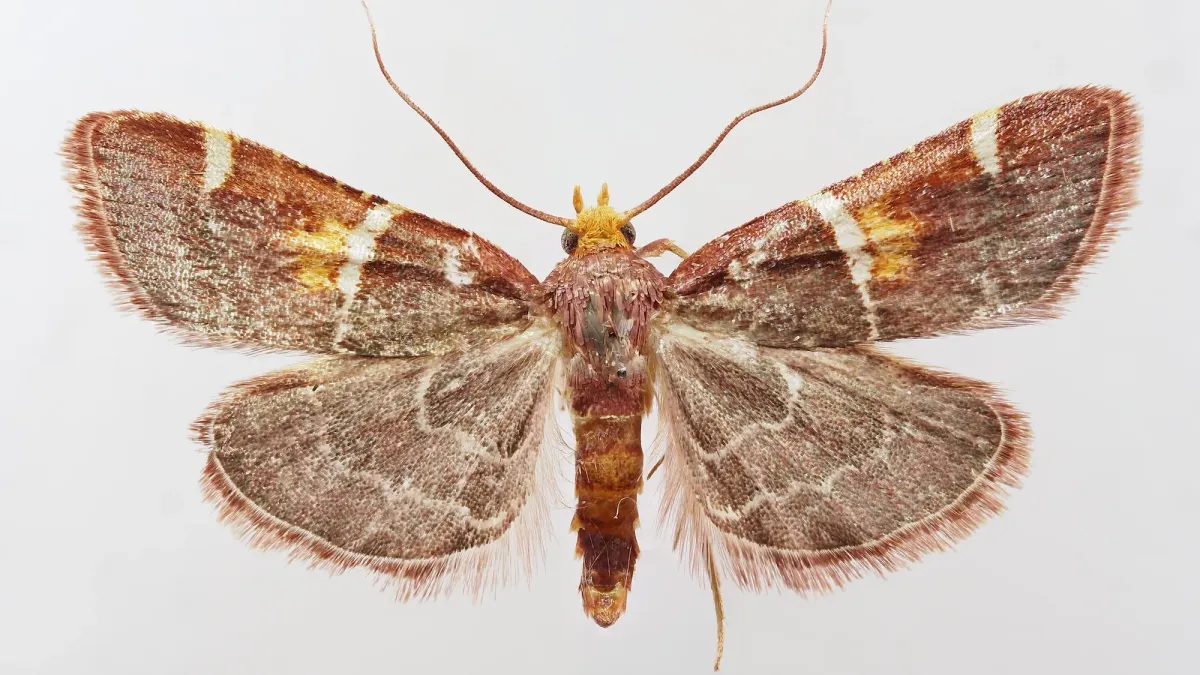
So, what does a Pope Leo moth look like? Picture a wingspan of about three-quarters of an inch, sporting purple forewings adorned with crisp white bands and deep orange spots. Fashion-forward, for an insect.
Beyond its snazzy appearance, we don't know much about its daily grind. It seems to be a June socialite, primarily active then, and apparently a Crete-exclusive resident. Although, one sighting in October suggests it might enjoy a longer season or even pull off multiple generations in a year. The mystery continues.
Finding a new moth species in Crete is actually a pretty big deal. Most of the 700 new moth species discovered annually prefer the steamy drama of tropical regions. This little European standout is a gentle, purple-winged reminder of our planet's increasingly fragile health.

As Peter Heumer, a study co-author and former head of natural science collections at Tyrolean State Museums, put it with admirable directness: "We are facing a global biodiversity crisis." He also noted that we've barely scratched the surface of cataloging Earth's species. "Effective conservation of biodiversity requires that species are first recognized, described, and named." Because you can't save what you don't know exists, right?
Heumer's words echo the Pope's own sentiments. Last year, at a climate change summit, the Pontiff called for a shift "from collecting data to caring, and from environmental discourse to an ecological conversion that transforms both personal and communal lifestyles." Which, for a moth, probably means not getting stepped on.