Remember Larry Allder? Back in 2020, he was cheering in a crowded Gage County courthouse in Nebraska. The county board had just slapped stricter rules on wind energy, and Allder, who’d spent years fighting those towering turbines, was thrilled. He called the win “a long road.”
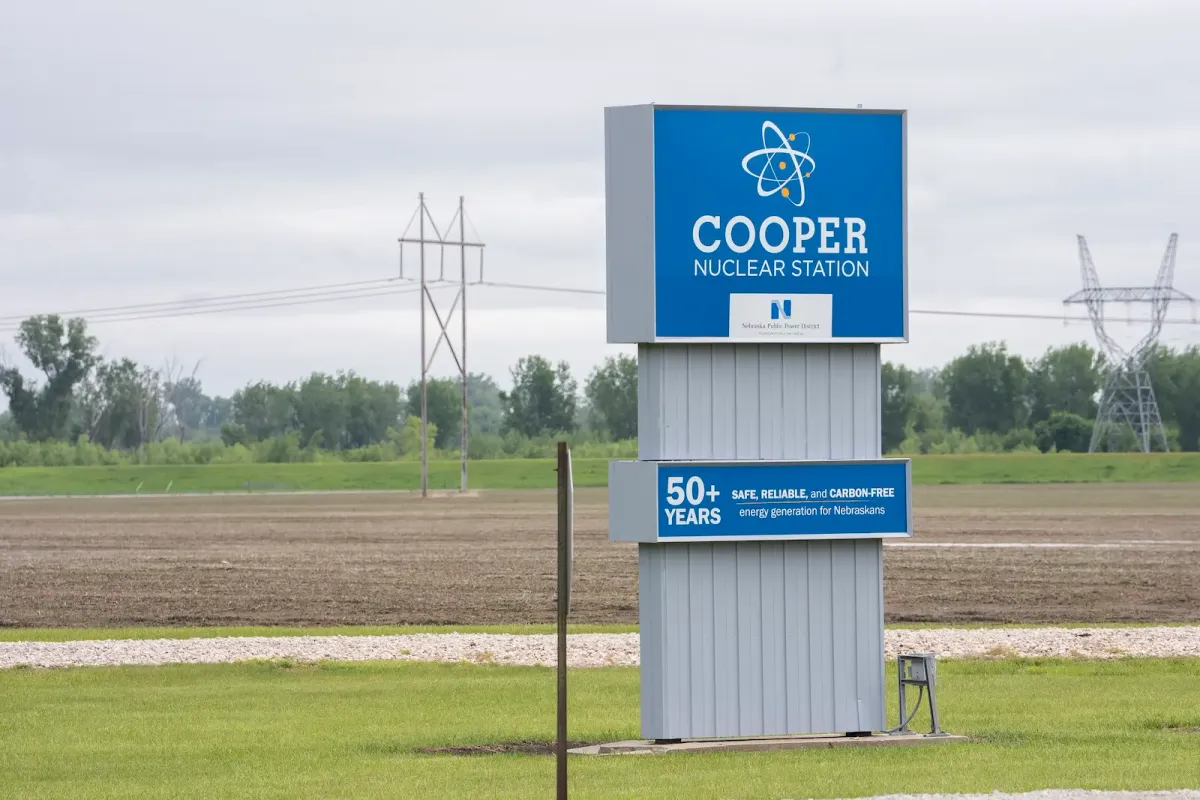
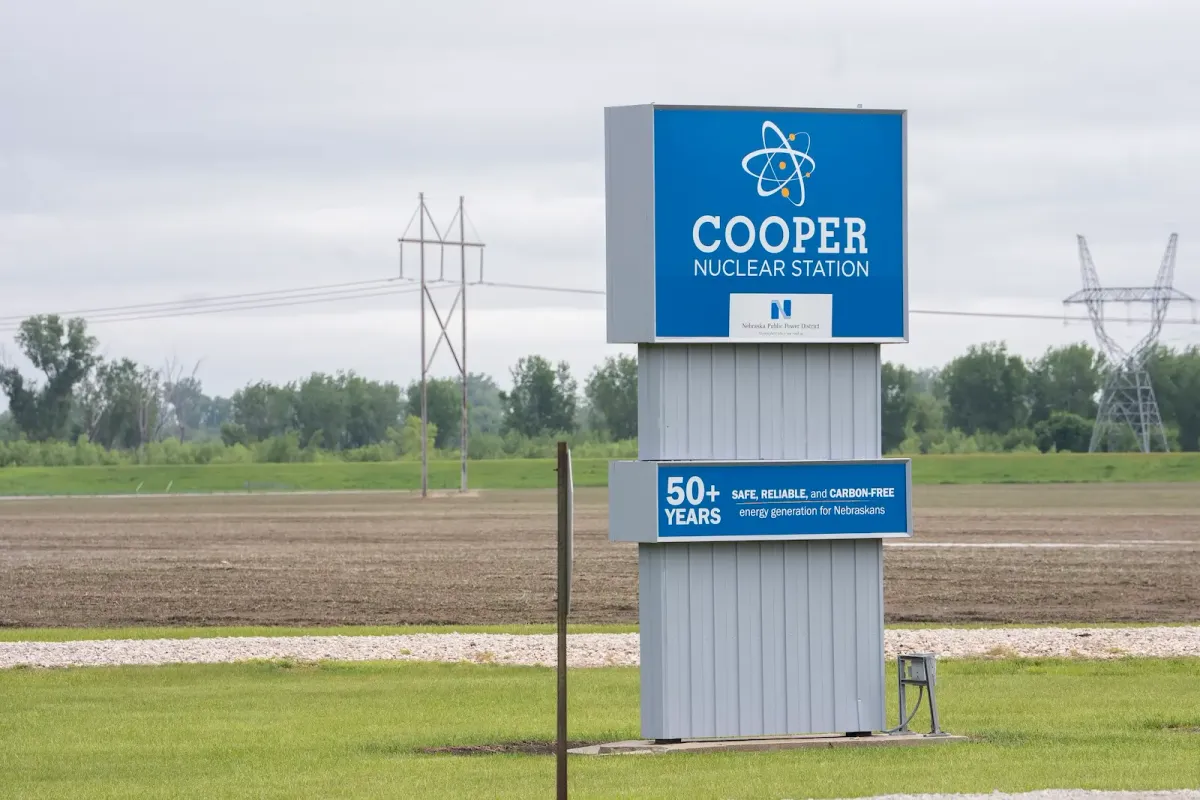
Fast forward six years, and nuclear power might be coming to Gage County. The Nebraska Public Power District (NPPD) just named four potential sites for a new plant, and guess who’s on board? Larry Allder. “I think that’s a great idea,” he declared. “I like nuclear energy. I think it’s the way of the future.” Because apparently, that's where we are now.

The Nuclear Comeback
Nuclear power often gets a bad rap, conjuring images of three-eyed fish and glowing green goo. But in Nebraska, it’s not facing the same NIMBY (Not In My Backyard) backlash that’s plagued wind and solar projects. Allder, for instance, found wind turbines “ugly,” too close to his property, and “inefficient and very costly and very intermittent.” Nuclear, he reasons, is “clean and it doesn’t take up much land space.” Which, if you think about it, is both impressive and slightly terrifying.
We're a new kind of news feed.
Regular news is designed to drain you. We're a non-profit built to restore you. Every story we publish is scored for impact, progress, and hope.
Start Your News DetoxGrist chatted with leaders in the four potential communities—Beatrice, Sutherland, Norfolk, and Brownville. The general vibe? They’re open to it. Madison County Commissioner Troy Uhlir noted that while some folks are voicing concerns, it’s “not overwhelming.” Beatrice Mayor Bob Morgan is just plain excited to be a top contender.
Even in Sutherland, where a few residents have raised safety questions, village board chairman Scott Meyer thinks a little education will calm those nerves. NPPD CEO Tom Kent is clearly enjoying the shift in public opinion. “There is a lot of support out there,” he told Grist, adding that Nebraska has “always been a state that’s been very supportive of nuclear power.”
New Tech, Old Problems?
Nationally, nuclear power is having a moment. Politicians on both sides of the aisle are warming up to it, and utilities are desperate for reliable, carbon-free energy to meet surging demand (hello, data centers).
The new generation of nuclear plants promises to fix the old headaches: sky-high costs, glacial construction times, and those pesky safety concerns. Small modular reactors (SMRs) are the poster children for this new era. They're designed to be flexible, scaling power up or down to play nice with intermittent renewables. Joseph Giitter, a former Nuclear Regulatory Commission exec, pointed out this very benefit. Private tech companies and investors are now piling into nuclear, seeing it as the grown-up solution to our ever-increasing electricity needs.
While new designs are being tested in Tennessee, Wyoming, and Washington, Nebraska is probably a decade out from its own plant. That’s why NPPD is getting a head start, scooping up over $27 million from the Department of Energy to help with federal permit applications. Kent says they want to be “in that first set of fast follower orders” when nuclear “takes off.”
However, it's not all smooth sailing. NPPD is also looking at large-scale reactors, but Plant Vogtle in Georgia serves as a cautionary tale. Those two new reactors only came online in 2023 and 2024—15 years after the utility applied for a license. They were years late, billions over budget ($30 billion, to be exact), and led to higher customer rates. Ouch. Chris Womack, CEO of Southern Company, blamed everything from a lack of skilled workers to the Fukushima accident and even COVID-19. Edward Kee of Nuclear Economics Consulting Group dryly observed that nuclear projects often face delays and cost overruns.
Even with the promise of advanced reactors, financial risks loom. As Giitter put it, “The promise of the technology is there, but it hasn’t been proven yet.” So, while Larry Allder might be ready to roll out the welcome mat, the question remains: Can nuclear deliver on its promises without giving everyone an unexpected bill?