For ages, scientists have eyed carbon dioxide like a suspicious lump of coal, wishing it were something more useful. The catch? CO2 is notoriously stable. Like that one friend who refuses to move off the couch, it takes a lot of energy to get it to change. But now, researchers at the University of Nottingham have cooked up a solar-powered reactor that's basically a chemical magician, turning both CO2 and biomass waste into valuable compounds.
This isn't just a two-for-one deal; it's a silent, sun-powered factory. The device uses sunlight to simultaneously convert CO2 into a useful chemical and transform biomass waste into components for sustainable plastics. All thanks to a pair of clever new catalyst materials.
How it Works: The Sun-Powered Double Play
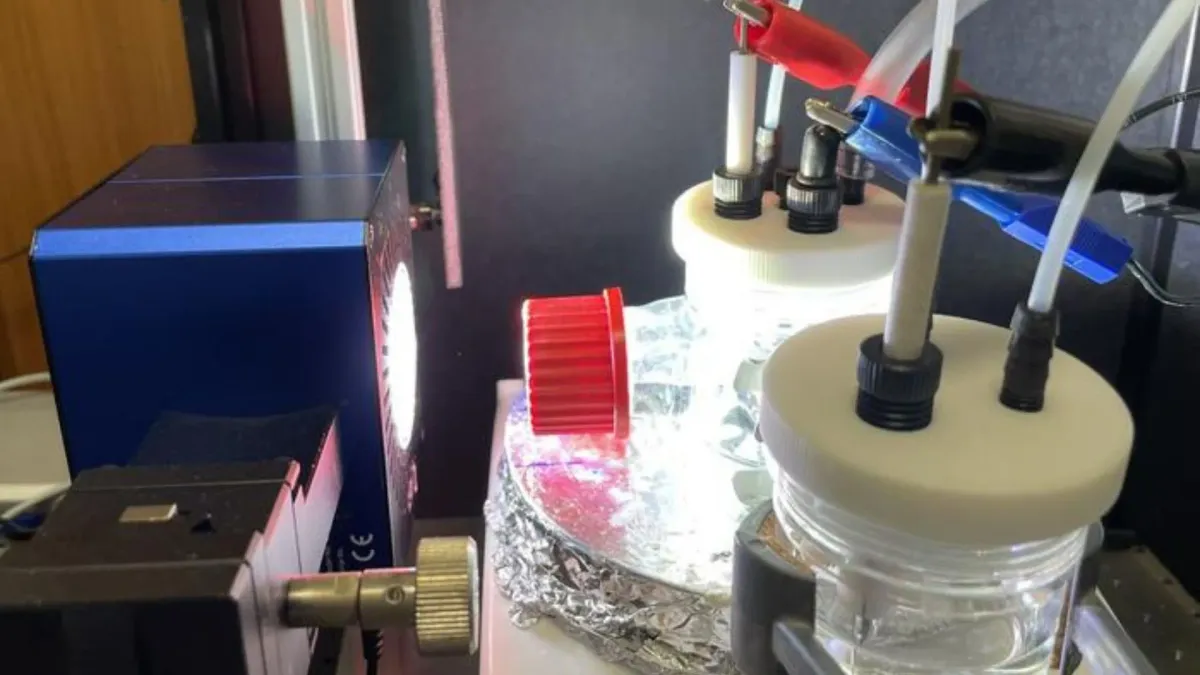
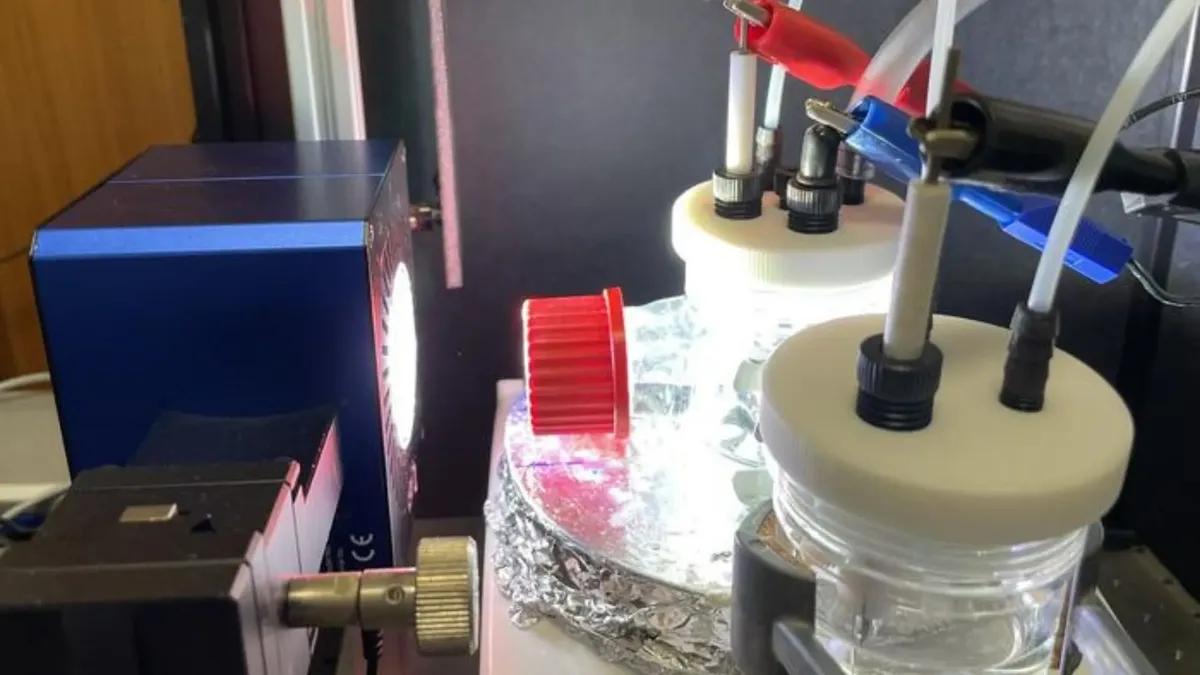
They call it a bias-free photoelectrochemical (PEC) reactor, which sounds like something out of a sci-fi novel, but essentially it’s a two-compartment system. This clever design means a single photon of sunlight can kickstart two different chemical reactions at once. Think of it as a chemical relay race, powered by the sun.
We're a new kind of news feed.
Regular news is designed to drain you. We're a non-profit built to restore you. Every story we publish is scored for impact, progress, and hope.
Start Your News DetoxDr. Madasamy Thangamuthu, the brains behind the reactor and its catalysts, explains that the magic happens at a special photoanode. This anode is a carefully layered sandwich of carbon nitride, tungsten oxide, and cobalt oxide. When sunlight hits it, it creates a free electron and a 'hole' (which is just an atomic vacancy, not a literal hole in the machine). The electron zips off to a cathode in the second compartment to reduce CO2, while that 'hole' simultaneously oxidizes a biomass molecule called HMFA. Two birds, one photon.
Basically, in one compartment, light turns biowaste into building blocks for new plastics, spitting out an electron. That electron then travels to the second compartment and helps convert CO2 into formate — a handy chemical used in everything from textiles and paints to medicines.
Waste Not, Want Not, Zero Emissions
The most impressive part? This whole operation runs on nothing but solar energy. No external heat, no extra electricity required. It boasts an efficiency rate of converting about 93% of CO2 and oxidizing around 95% of biomass. That's a satisfying number to let sink in.
Unlike many lab breakthroughs that rely on pricey metals like platinum, the Nottingham team opted for common, inexpensive elements. They kept costs down and efficiency high by precisely shaping the catalyst's metal atoms right on the reactor surfaces. Because apparently that's where we are now: designing things at the atomic level for maximum environmental benefit.
A full life cycle assessment has already given the system a thumbs-up for its tiny carbon footprint. The grand vision? A network of these modular reactors, plugged directly into factory smokestacks and agricultural biorefineries, turning pollution into profit.
The team sees this as a crucial stride toward hitting global net-zero targets. It’s a powerful reminder that sometimes, the best way to clean up our mess is to turn it into something genuinely useful, all while soaking up a little sunshine.