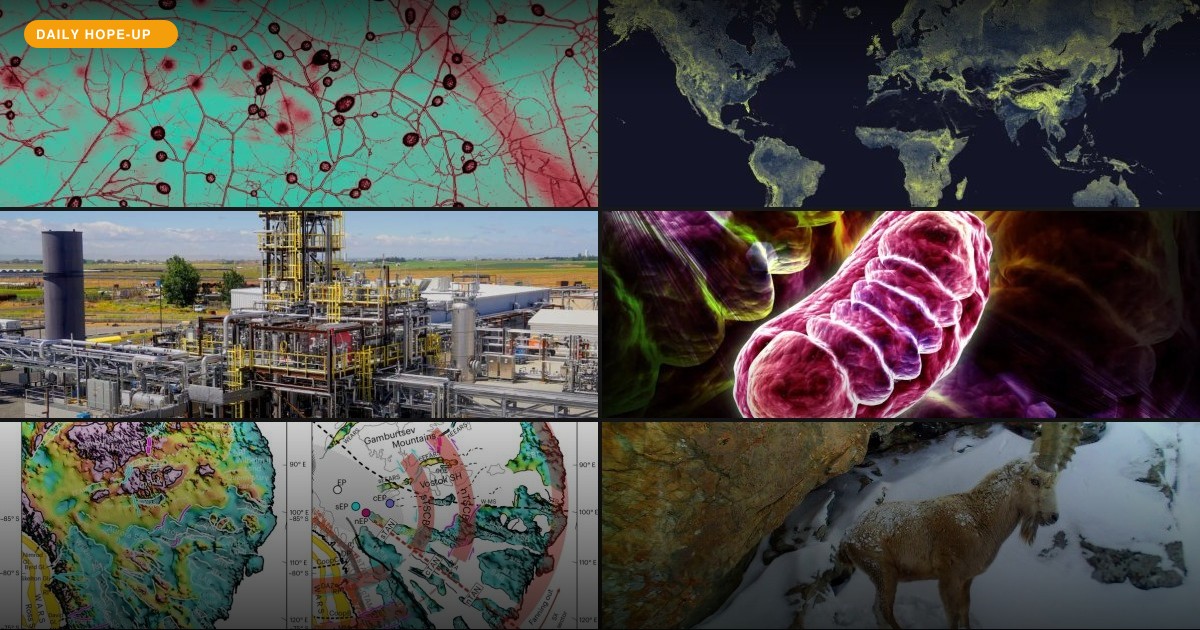
This week, it seems the planet itself has been busy making moves, both seen and unseen. From vast, hidden networks beneath our feet to the quiet determination of scientists and activists, a recurring theme emerged: the most profound shifts often happen just out of sight, until suddenly, they're undeniable.
The Unseen Architects of a Living Planet
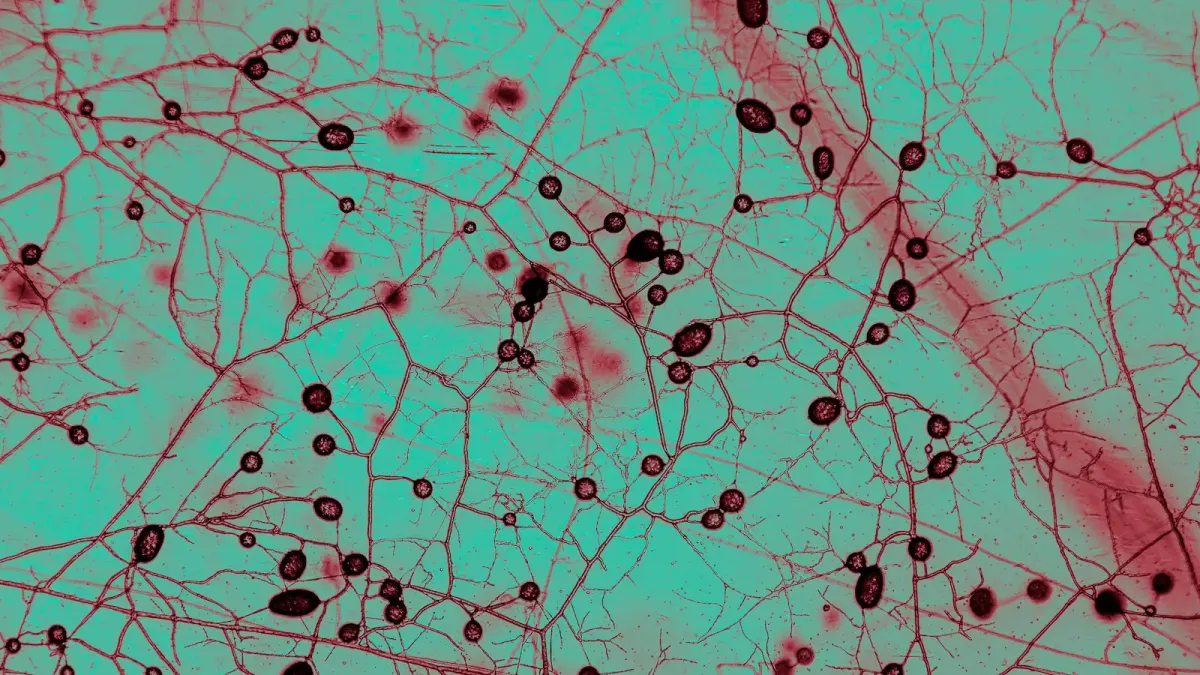
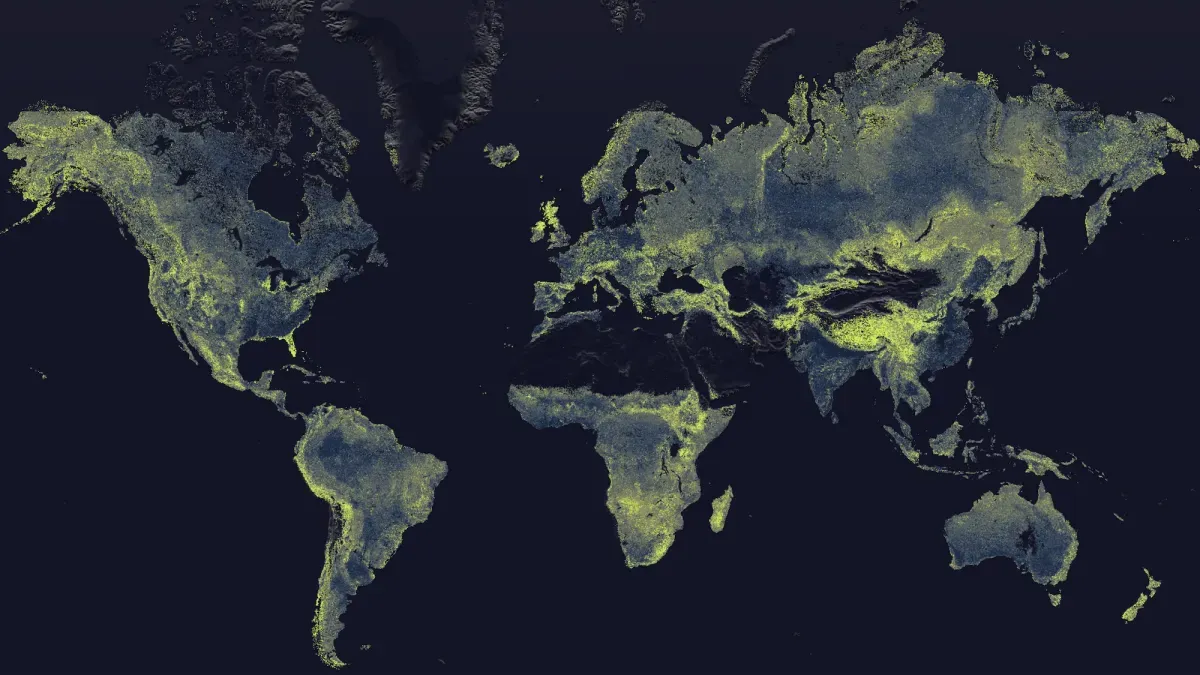
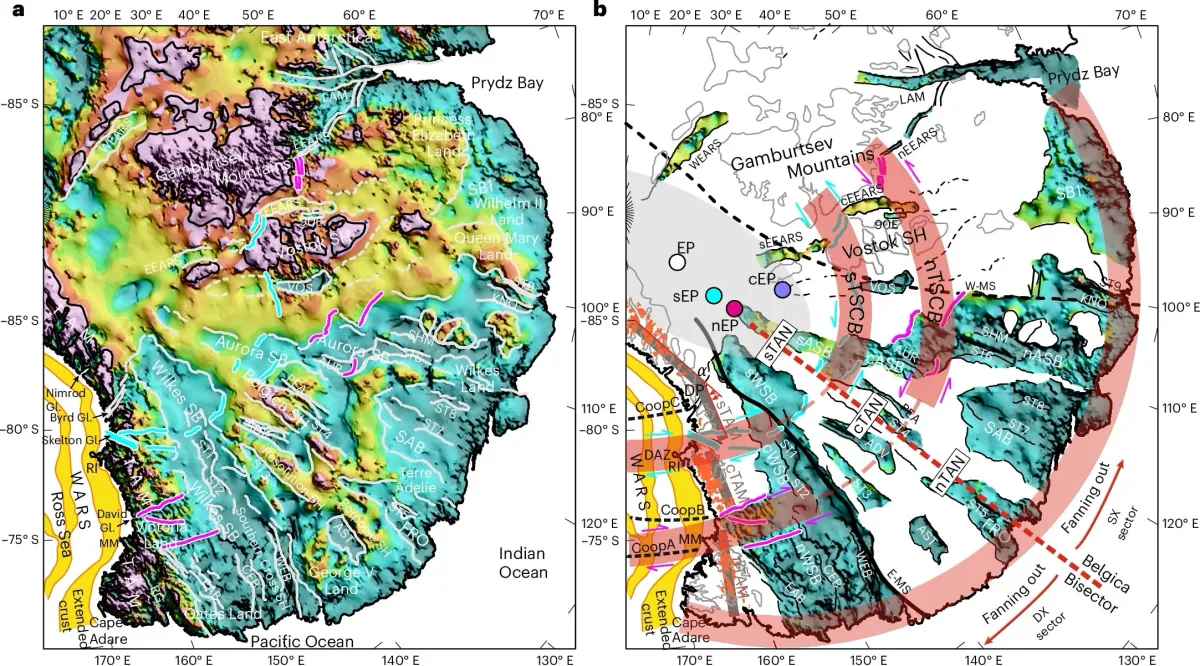
While we humans are busy above ground, a silent, sprawling empire is at work beneath our feet, doing some heavy lifting for the planet. Researchers this week highlighted the unfathomably huge world of arbuscular mycorrhizal (AM) fungi, which form a hidden underground network quietly keeping Earth from boiling over. These fungi partner with 70% of Earth's plant species, siphoning carbon into the soil and essentially acting as the planet's unsung air conditioning system. To put it in perspective, these fungi networks span 621 trillion miles — a number so large it almost loses meaning, but the impact is profoundly real. Meanwhile, in Antarctica, scientists just discovered a gigantic hidden structure under miles of ice that could rewrite the continent's history. It turns out, Earth has plenty of secrets still doing their thing, shaping our world in ways we're only just beginning to grasp. If you've ever felt overwhelmed by the planet's problems, remember there are colossal, natural systems diligently working in the background.
"Even if you don’t like eating mushrooms, you’re in debt to fungi. One group of them, known as arbuscular mycorrhizal fungi, form vast subterranean networks of tubes called hyphae, hooking up with the roots of plants to exchange nutrients. Earth is so verdant in large part thanks to these partnerships." — Read the full story
Wait—What is Brightcast?We're a new kind of news feed.
Regular news is designed to drain you. We're a non-profit built to restore you. Every story we publish is scored for impact, progress, and hope.
Start Your News Detox
Ingenuity Takes Flight (and a Coffee Break)
Innovation often feels like it's about grand, flashy gestures, but this week's headlines proved it's just as much about ingenious workarounds and unexpected efficiency. In Washington state, America's first commercial plant began producing jet fuel from captured carbon dioxide and renewable electricity. This isn't just a tweak; it's a fundamental reimagining of how we power aviation. And speaking of reimagining, who knew your morning espresso was so energy-intensive? Researchers in Australia found a way to brew espresso with soundwaves instead of heat, achieving the same rich flavor with significantly less energy. 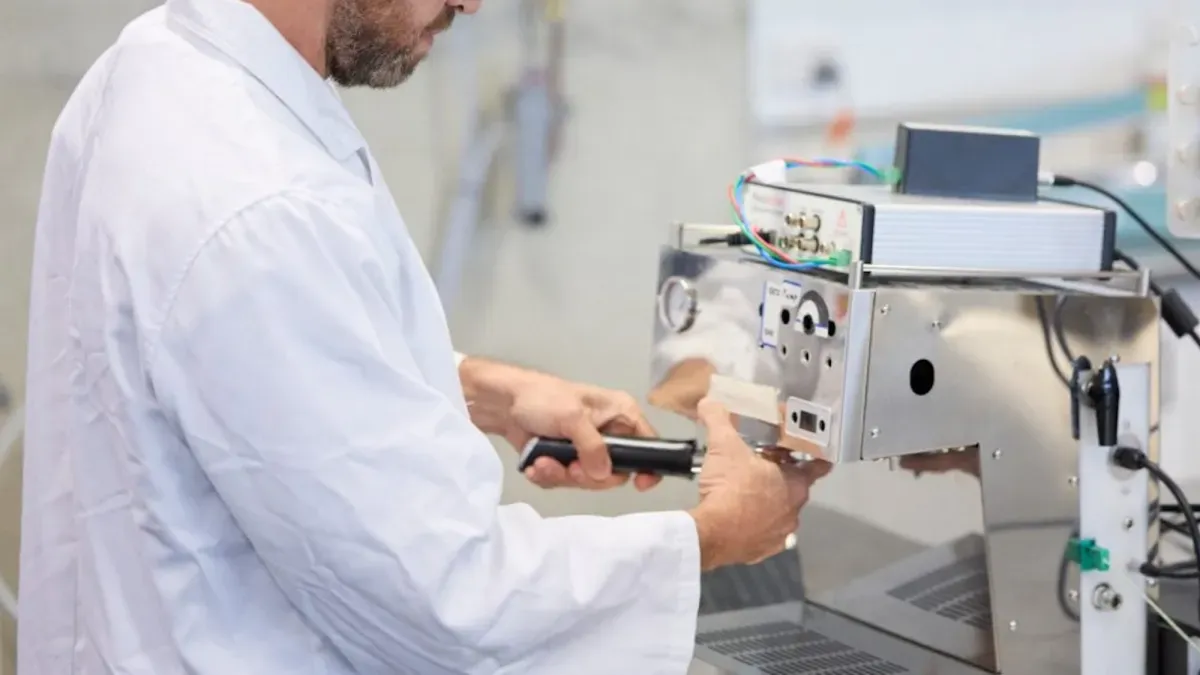 These aren't just clever tricks; they're examples of how deep-seated challenges are being tackled with elegant, often surprising, solutions. Next time you're stuck on a problem, consider if the answer might be hiding in plain sight, or perhaps, in a soundwave.
Protecting the Vulnerable, from Leopards to Longevity
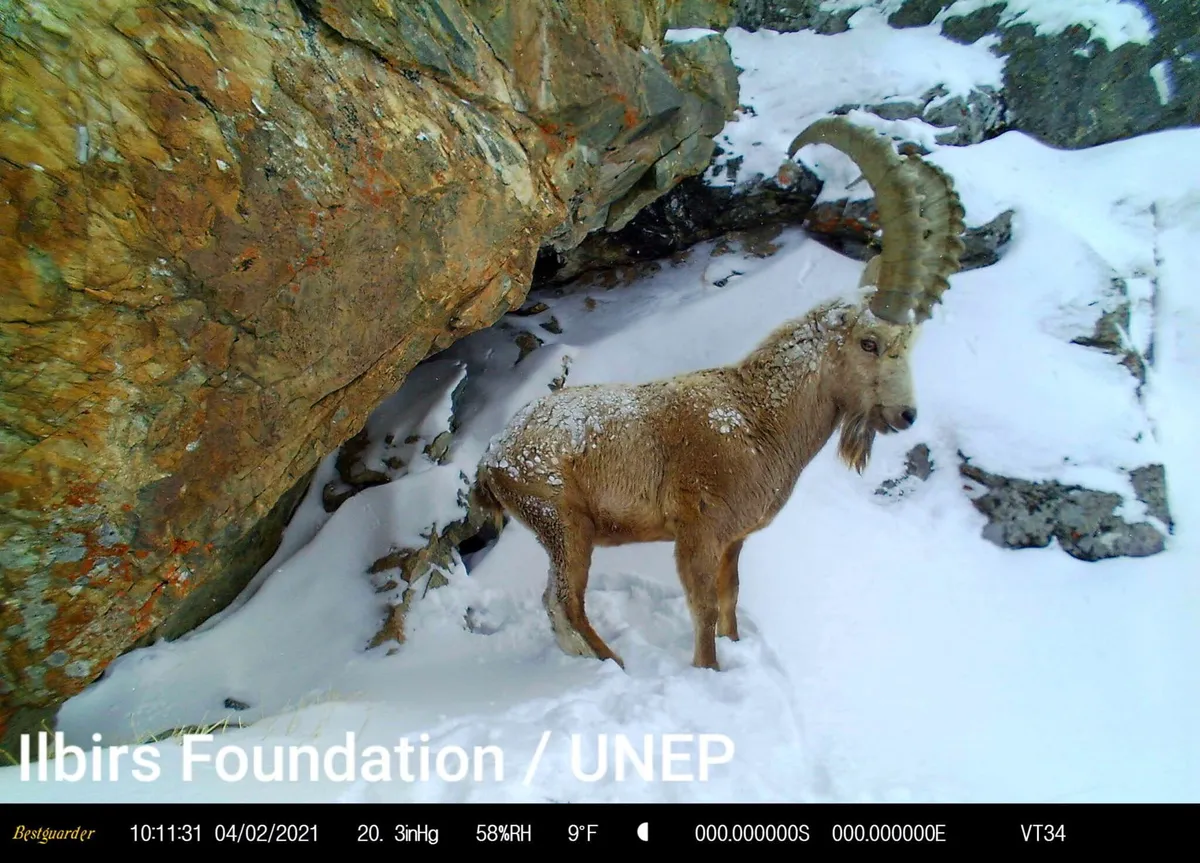
While technology pushes forward, the human drive to protect and preserve also saw significant wins. Kyrgyzstan officially designated a massive two-million-acre 'climate-ready' corridor for snow leopards, creating a sanctuary designed specifically to adapt to future climate shifts. This forward-thinking conservation effort recognizes that protection isn't just about drawing lines on a map, but about anticipating tomorrow's challenges. On a more personal scale, new research revealed a common nutrient, phosphatidylcholine, might just be able to reverse cellular aging by restoring mitochondrial performance. This discovery, if it holds, suggests that some aspects of aging aren't inevitable decline, but rather processes that can be influenced and even reversed. From vast landscapes to the microscopic world within our cells, the impulse to safeguard and extend flourishing life continues to drive meaningful progress.
Hope stat: 621 trillion miles — the length of fungal networks quietly keeping our planet cool and green.
Watch this space: As AI agents proliferate, Google DeepMind is raising flags about the complex interactions and unforeseen risks that could arise, reminding us that every powerful tool requires careful vigilance.