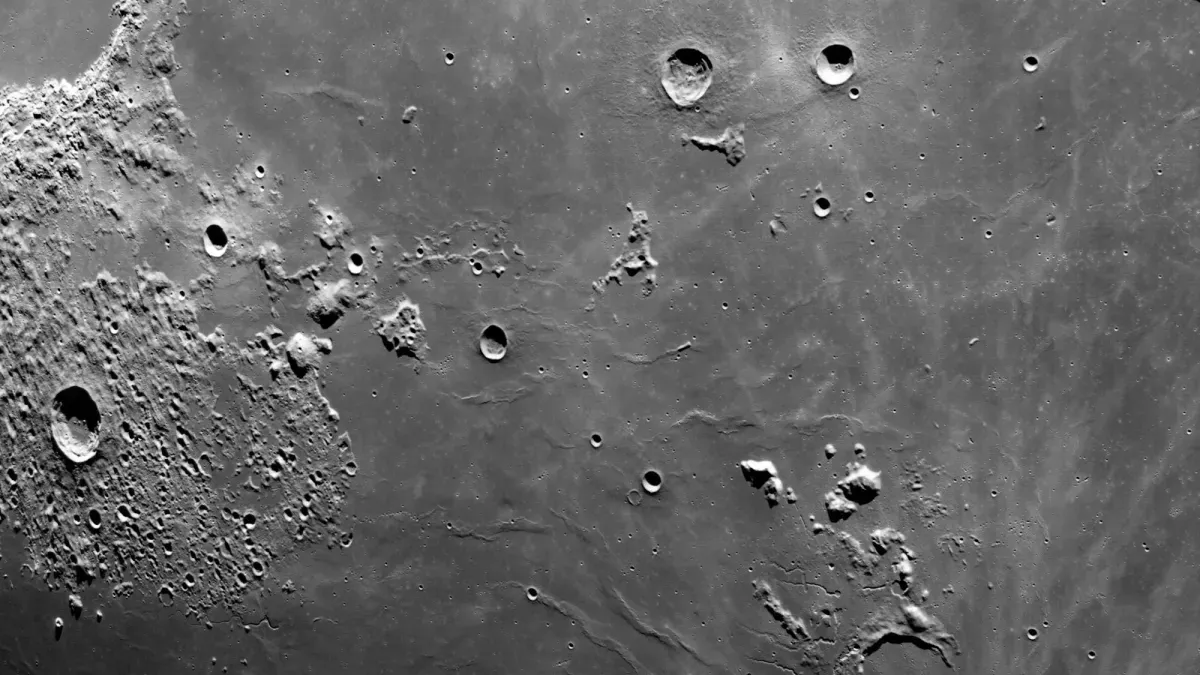
Turns out, getting smacked around is a pretty effective way to travel the cosmos. Scientists recently got their hands on a rare lunar meteorite, NWA 12593, found chilling in Mali. And this particular space rock? It's a cosmic history book, detailing a surprisingly violent past that spans billions of years.
Think of it as the universe's most resilient concrete slab. NWA 12593 is a "lunar breccia," which is science-speak for a bunch of moon fragments fused together by multiple, very aggressive impacts. Planetary scientist Carolyn Crow helpfully compared it to concrete — small rocks held together by even smaller, rockier cement. Because apparently that's where we are now.
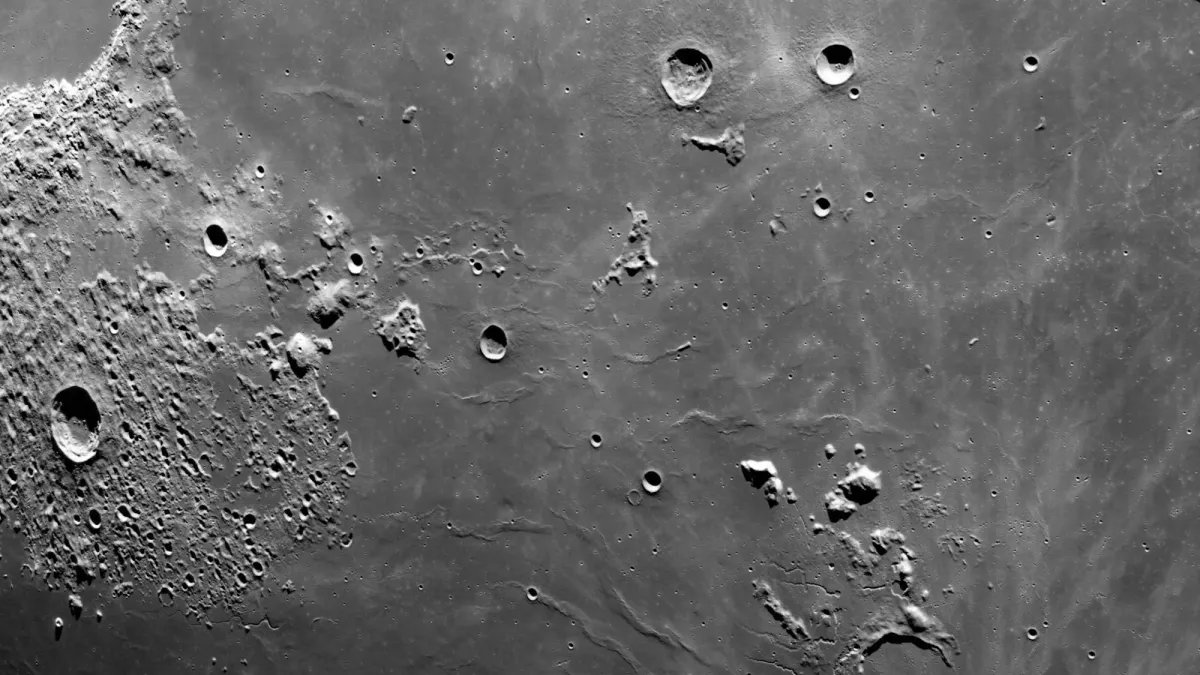
Scientists spent nearly a decade poking and prodding NWA 12593, using special dating and chemical tests to uncover evidence of no less than three major impacts on the moon, all recorded within this one unassuming rock.
We're a new kind of news feed.
Regular news is designed to drain you. We're a non-profit built to restore you. Every story we publish is scored for impact, progress, and hope.
Start Your News DetoxA Lunar Punching Bag
The first cosmic punch landed about 3.5 billion years ago. For context, that's roughly when the first whispers of life were starting to appear on Earth. This collision was so intense, it actually melted parts of the moon's surface into a lava-like goo. It even created cubic zirconia, a mineral that only forms under extreme heat, leaving behind ghostly traces in the rock.
The second impact was the one that truly created our breccia friend. After this particular pummeling, lunar rock pieces smashed into each other with such force they formed the mosaic of materials we see in the meteorite today. Like a cosmic jigsaw puzzle, but with more explosions.
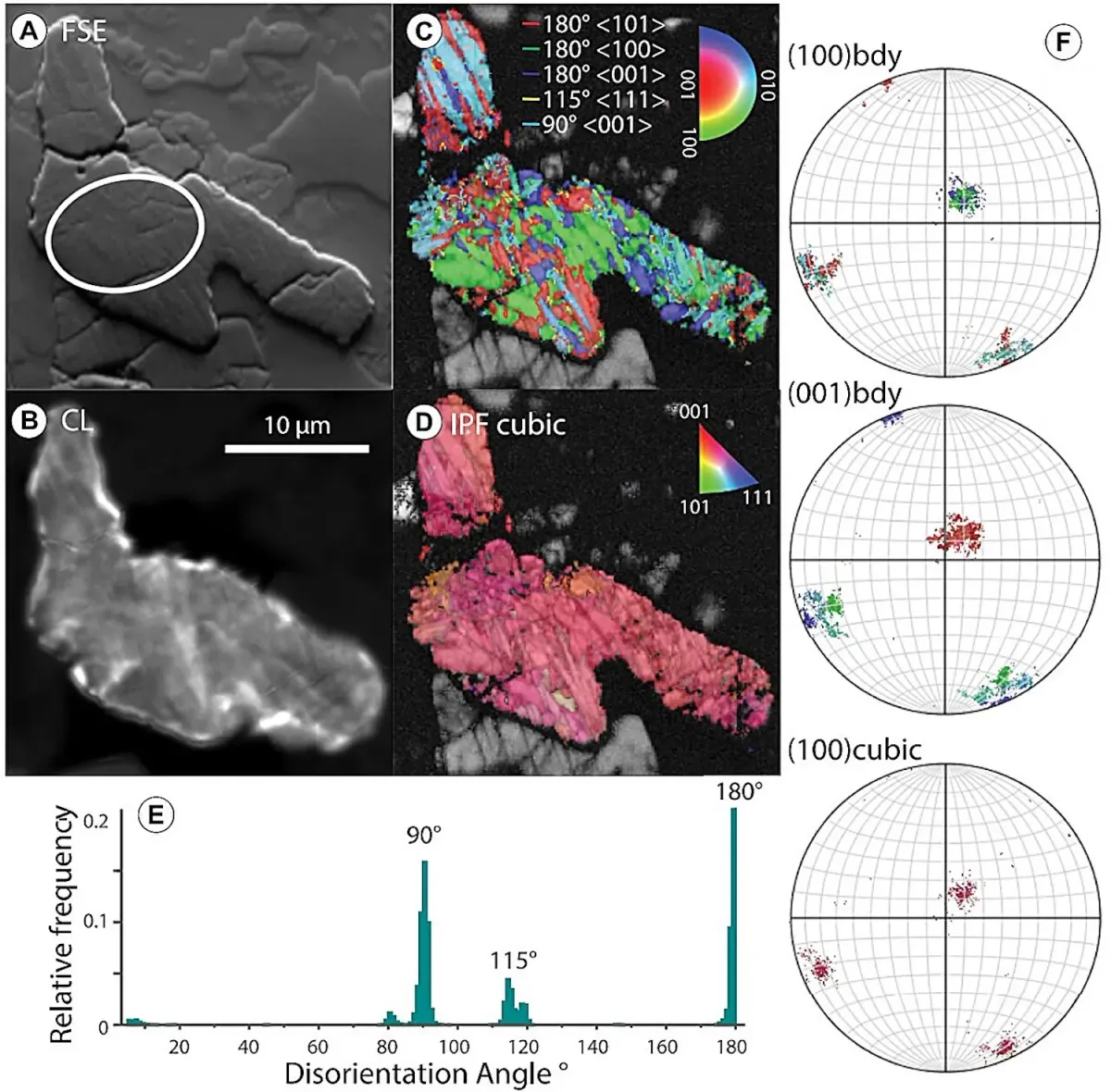
And the third impact? That's the grand finale, the one that explains how this incredibly tough moon rock ended up as a souvenir on Earth. A more recent, perfectly aimed collision broke off a piece of the moon, sending it hurtling directly towards our unsuspecting planet.
What's particularly wild is that the 3.5-billion-year-old impact recorded in NWA 12593 isn't an isolated incident. Similar events popped up on Earth and even on the asteroid 4 Vesta around the same time. This suggests our early solar system was less a serene ballet and more a demolition derby, with planets still forming and cosmic collisions being a regular Tuesday. Which, if you think about it, is both impressive and slightly terrifying.