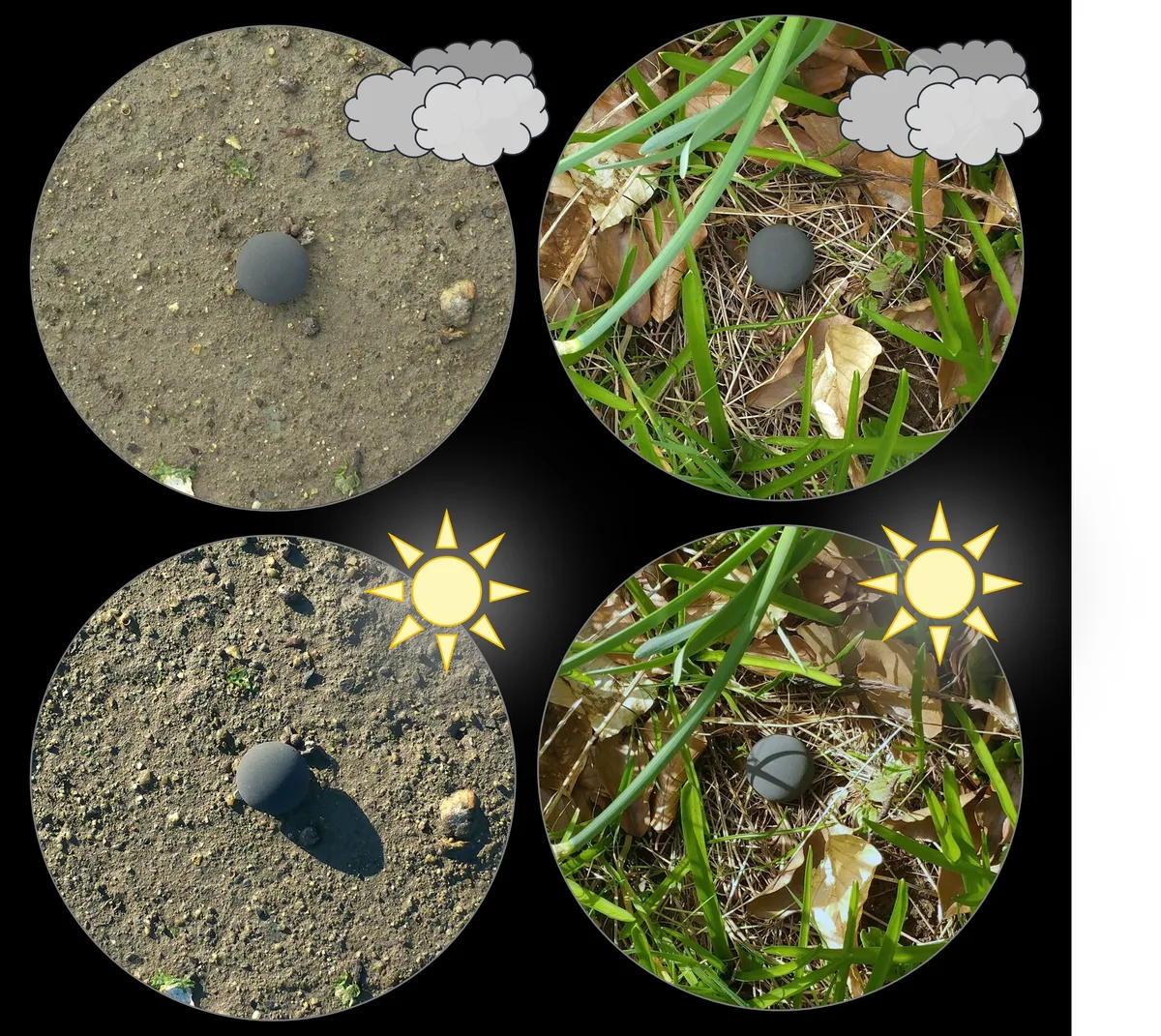
Scientists used an online game to figure out why animals like tigers have stripes. The study, from the universities of Exeter and Bristol, found that high-contrast patterns, like tiger stripes, are harder to see in direct sunlight. They also work well in complex places like tall grass or thick forest.
On the other hand, simpler patterns offer better camouflage in indirect light, such as under clouds or tree cover. These patterns are also better in simple environments like short grass.
How the Game Worked
The findings came from a game created by University of Exeter scientists. Over 1,000 people played it. In the game, a patterned sphere "evolved" to become harder to spot against different backgrounds and lighting.
We're a new kind of news feed.
Regular news is designed to drain you. We're a non-profit built to restore you. Every story we publish is scored for impact, progress, and hope.
Start Your News DetoxDr. George Hancock, from Exeter's Penryn Campus, explained that human vision is similar to many predators. This makes the game a good way to study complex questions about wild animals.
He noted that camouflaged spheres in the game "evolved" over 20 generations. This was based on how long it took players to find them. If a sphere was harder to find, the game used that information to create the next pattern. It did this by combining the best patterns.
Dr. Hancock said this study used "digital evolution" to understand real-world evolution.
Stripes in Sunlight
The game's background photos came from 28 different habitats across the UK. These habitats varied in how complex they were in 3D. They were pictured in both direct and indirect sunlight.
In direct sunlight, the spheres developed patterns that were more high-contrast, dark, and stripey. They also showed countershading, meaning they were paler underneath, like tigers or great white sharks. Another feature was edge disruption, which made it harder to see the sphere's outline.
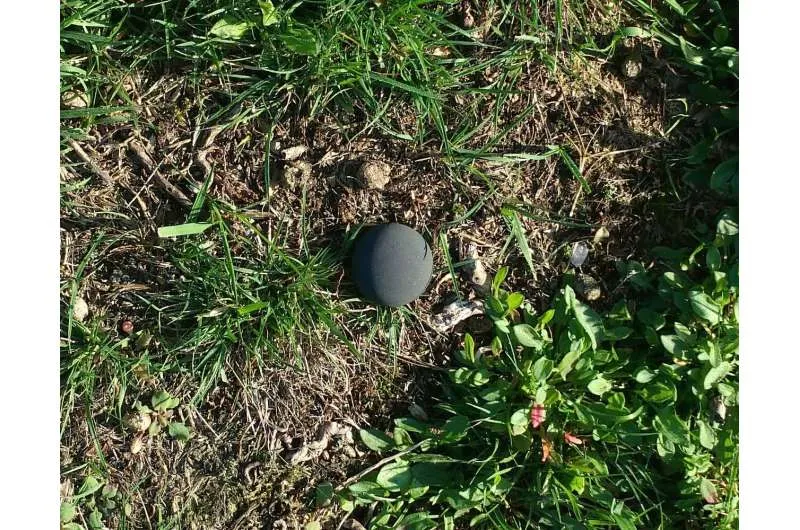
Dr. Hancock pointed out that the world looks very different on a sunny day. When the sun is out, shadows make the background more visually complex and directional. These shadows are even stronger and more directional in 3D environments, like tall plants.
This helps explain why tigers have stripes. Their stripes match the shadow patterns in their environment. Similar patterns also developed in the game.
Conversely, plainer patterns, like those on roe deer, offer better camouflage in places with less direct sunlight and simpler habitats.
Dr. Hancock added that many predators are very active at dawn and dusk. This is when long shadows create extra visual complexity.
The Future of Camouflage
Dr. Jolyon Troscianko, also from the University of Exeter, described camouflage as a "tug-of-war." Both predators and prey use different strategies based on their behavior and environment.
The researchers believe that changes to habitats and lighting could affect how well different camouflage strategies work. These changes can come from land management, city growth, and climate change.
Dr. Troscianko stressed the importance of understanding how these changes might impact animal survival. This is especially true for species that are already at risk.
Deep Dive & References
Shining a light on camouflage evolution: using genetic algorithms to determine the effects of geometry and lighting on optimal camouflage - PLOS One, 2026