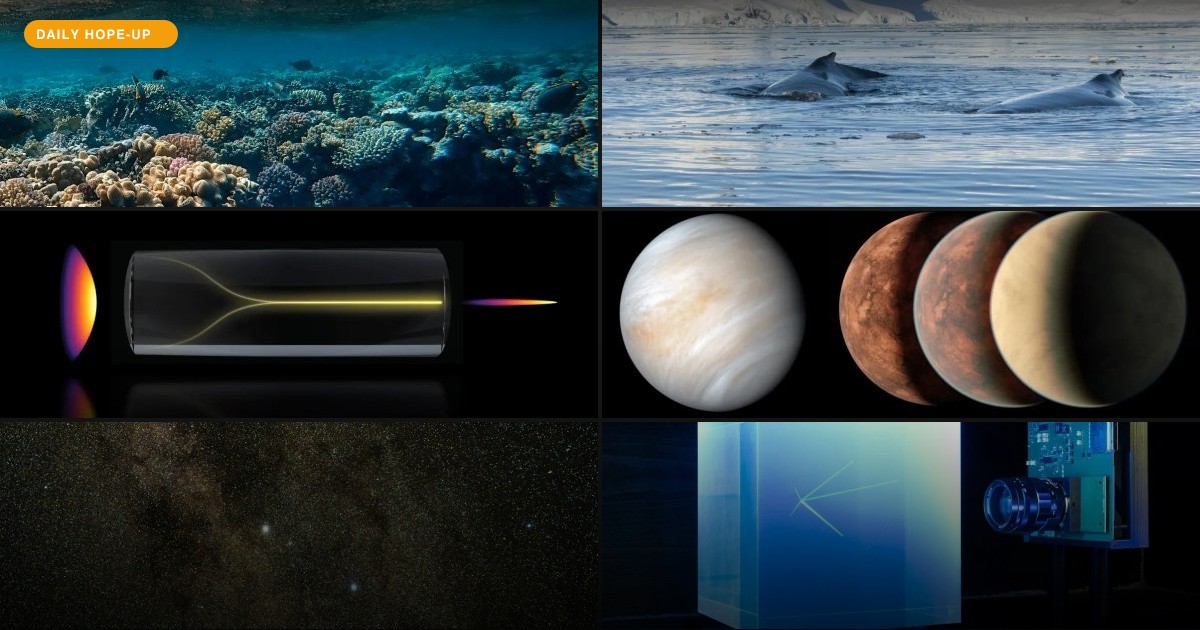
Today, it felt like the ocean was sending us postcards from the future – some hopeful, some a bit of a warning. From hidden coral superhighways to rebounding whale populations, the narrative wasn't always straightforward, but it certainly wasn't dull.
The Secret Lives of Coral and Whales
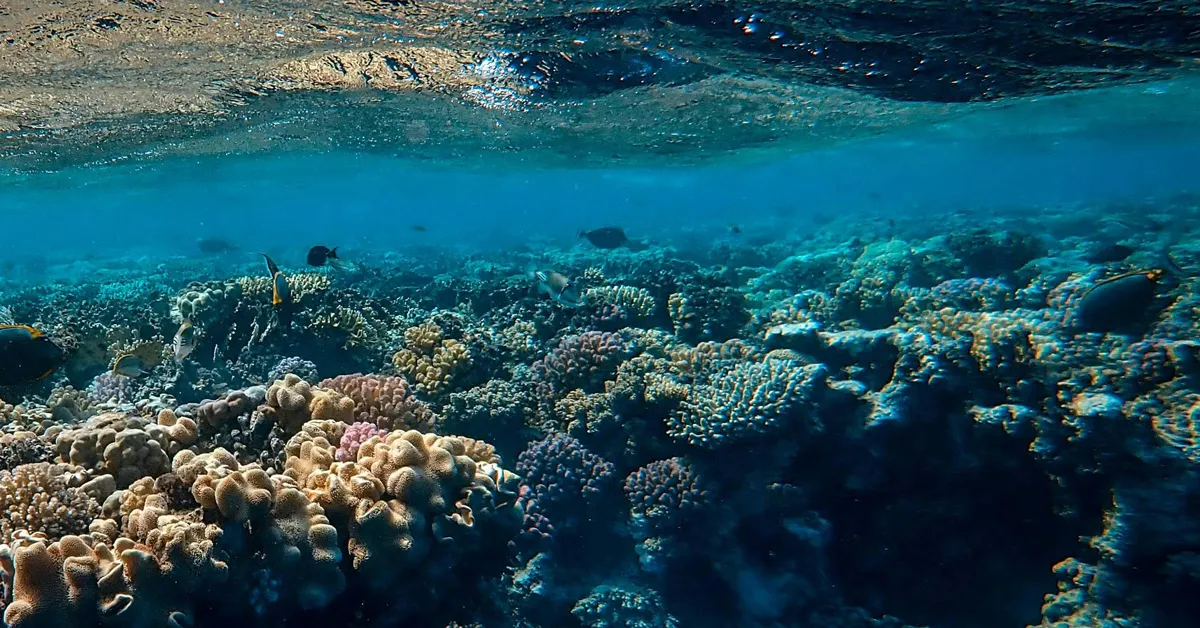
Out near Lord Howe Island, about 700 kilometers northeast of Sydney, scientists made a discovery that sounds straight out of a sci-fi novel: secret coral superhighways. These aren't roads, of course, but deep-water connections that allow coral larvae to travel between reefs, effectively giving them a hidden escape route and a chance to repopulate struggling areas. It’s a natural resilience mechanism we're only just beginning to understand, a quiet testament to life's ingenuity when given a chance.
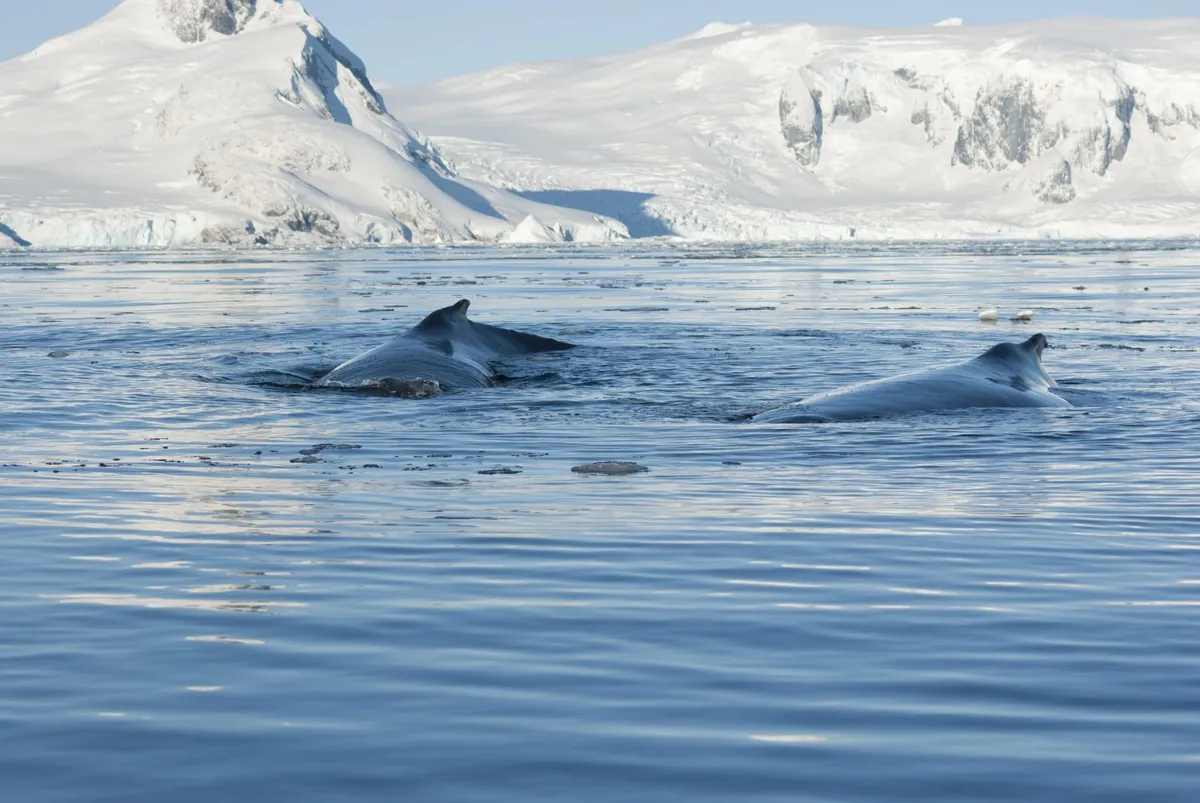
Meanwhile, in the vast Southern Ocean, humpback whale populations are nearing pre-whaling levels after the 1986 commercial whaling ban. You can almost hear their collective sigh of relief, seeing large feeding groups once more. Yet, even this good news comes with a caveat: the blue whales are recovering slower, and krill trawlers are still a significant threat, reminding us that even the most impressive comebacks require ongoing vigilance. If you've been worried about the ocean's ability to heal, this week offers a complex but ultimately hopeful case study in resilience and the ongoing need for human responsibility.
We're a new kind of news feed.
Regular news is designed to drain you. We're a non-profit built to restore you. Every story we publish is scored for impact, progress, and hope.
Start Your News Detox"Humpback whale populations in the Southern Ocean are nearing pre-whaling levels, with scientists observing large feeding groups." — Read the full story
Peering Deeper: From Brains to Distant Stars
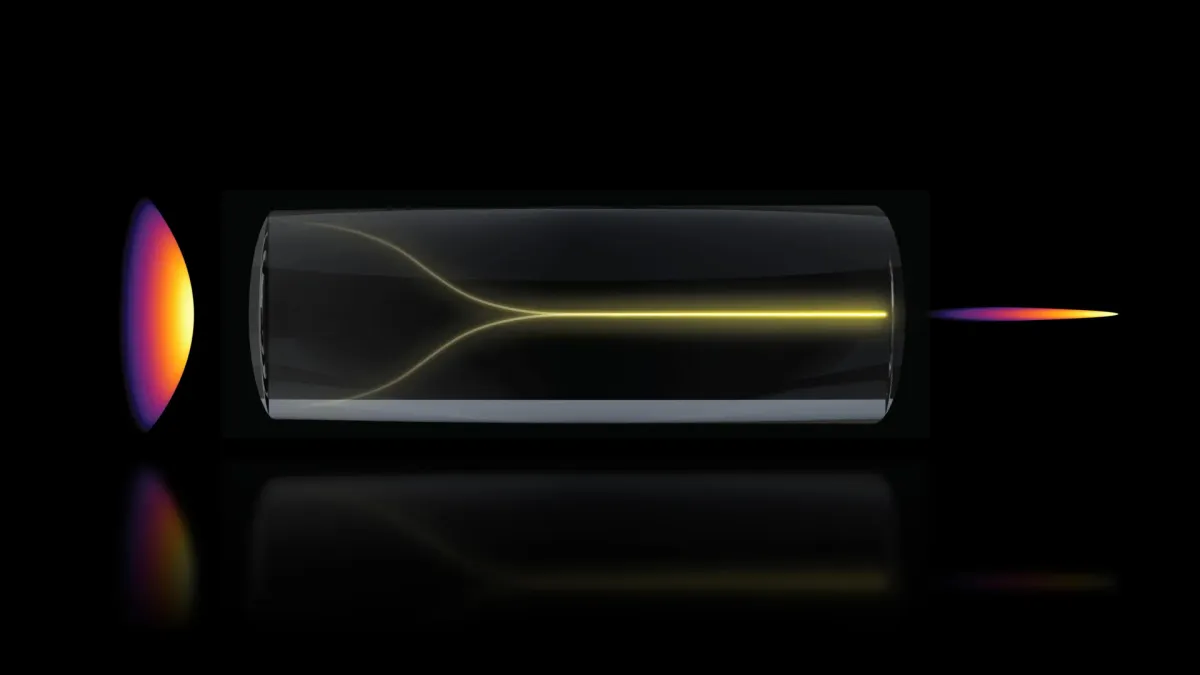
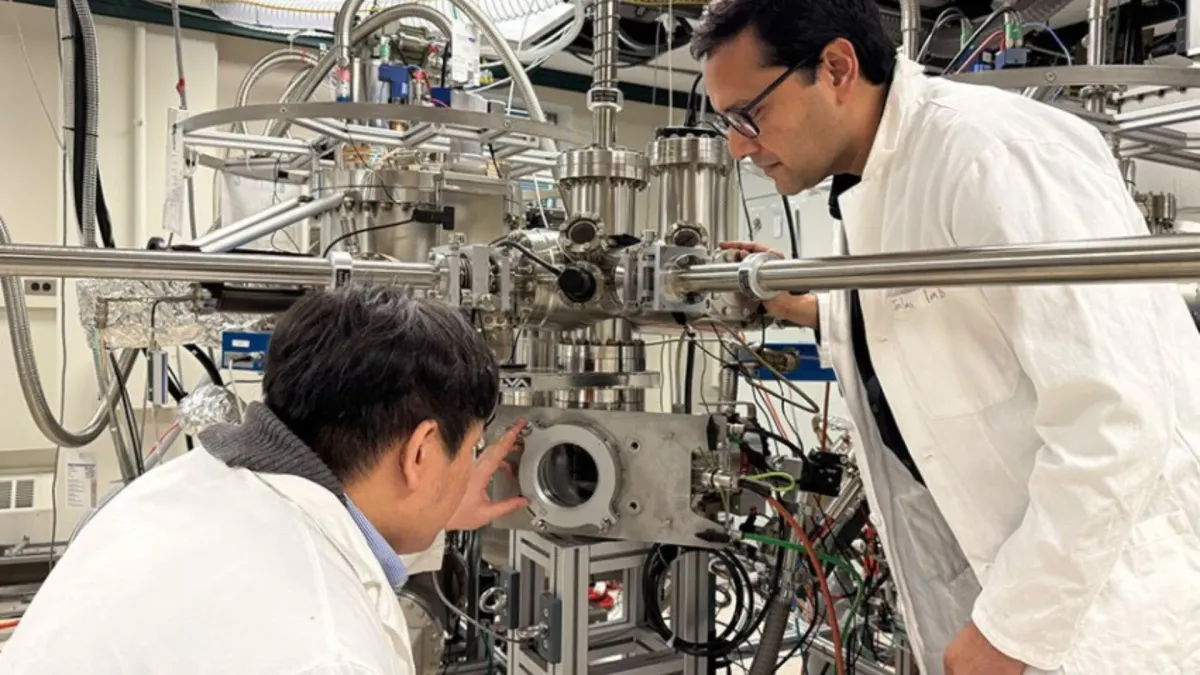
While the ocean was busy with its quiet dramas, scientists on land were busy trying to see the invisible. At MIT, researchers managed to turn chaotic laser light into a precise tool for imaging inside the brain, allowing them to visualize the blood-brain barrier in 3D, 25 times faster than before. Imagine the implications for understanding diseases or even mapping neural pathways. It’s the kind of breakthrough that makes you wonder what else we've been missing just beneath the surface.
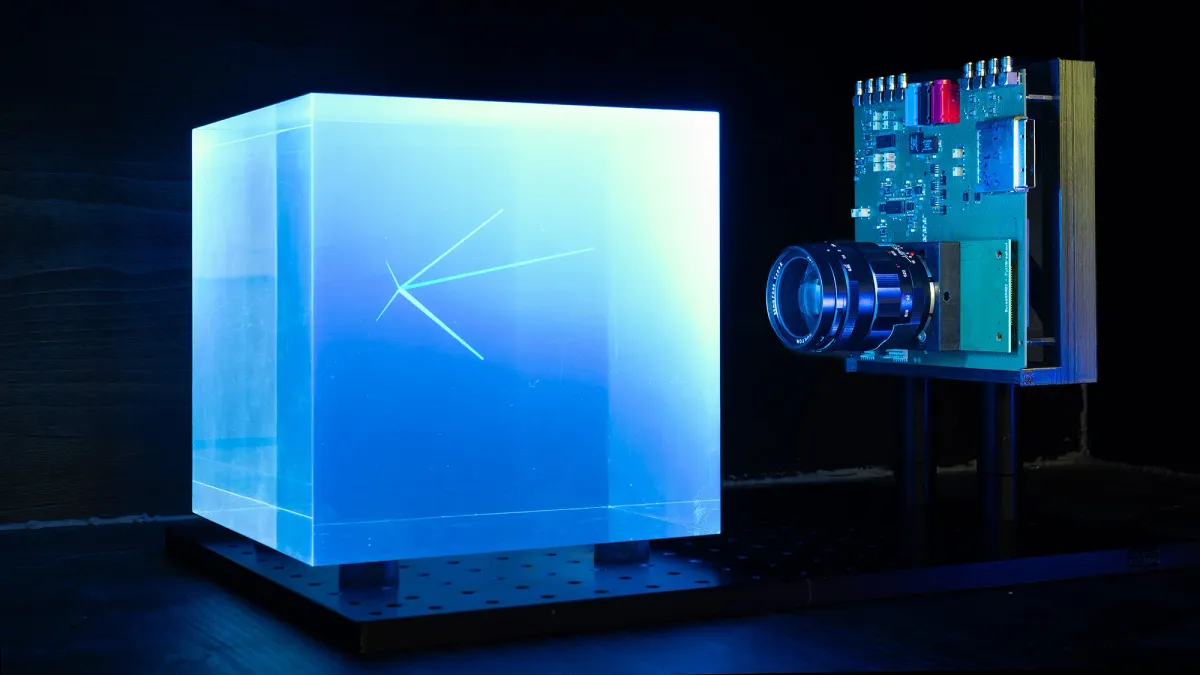
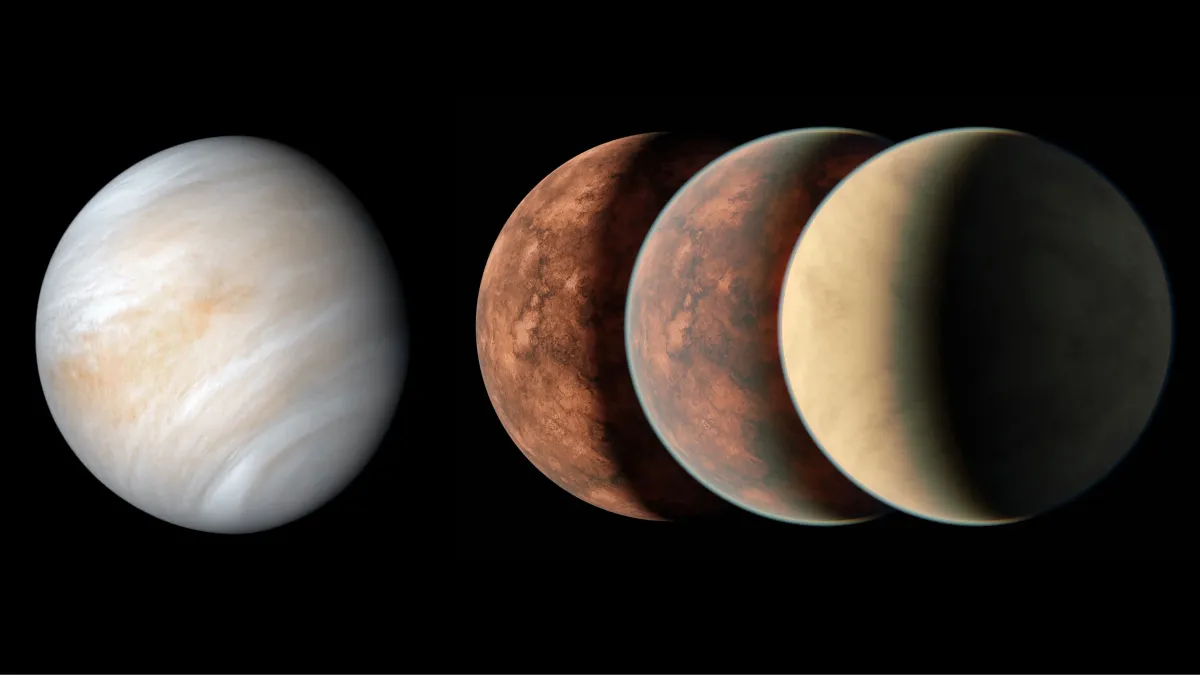
Not content with just peering into brains, other teams are looking far beyond. Physicists are rethinking how to detect elusive particles like neutrinos, combining existing tech in new ways to reveal the universe’s most shy components. And if that wasn't enough, Texas A&M just made strides in sailing a spaceship on pure light, a step toward fuel-free propulsion that could one day send us to nearby stars. This relentless pursuit of seeing and understanding what's hidden, whether it's inside our heads or light-years away, suggests that our capacity for discovery is far from exhausted.
Carbon Capture in the Desert
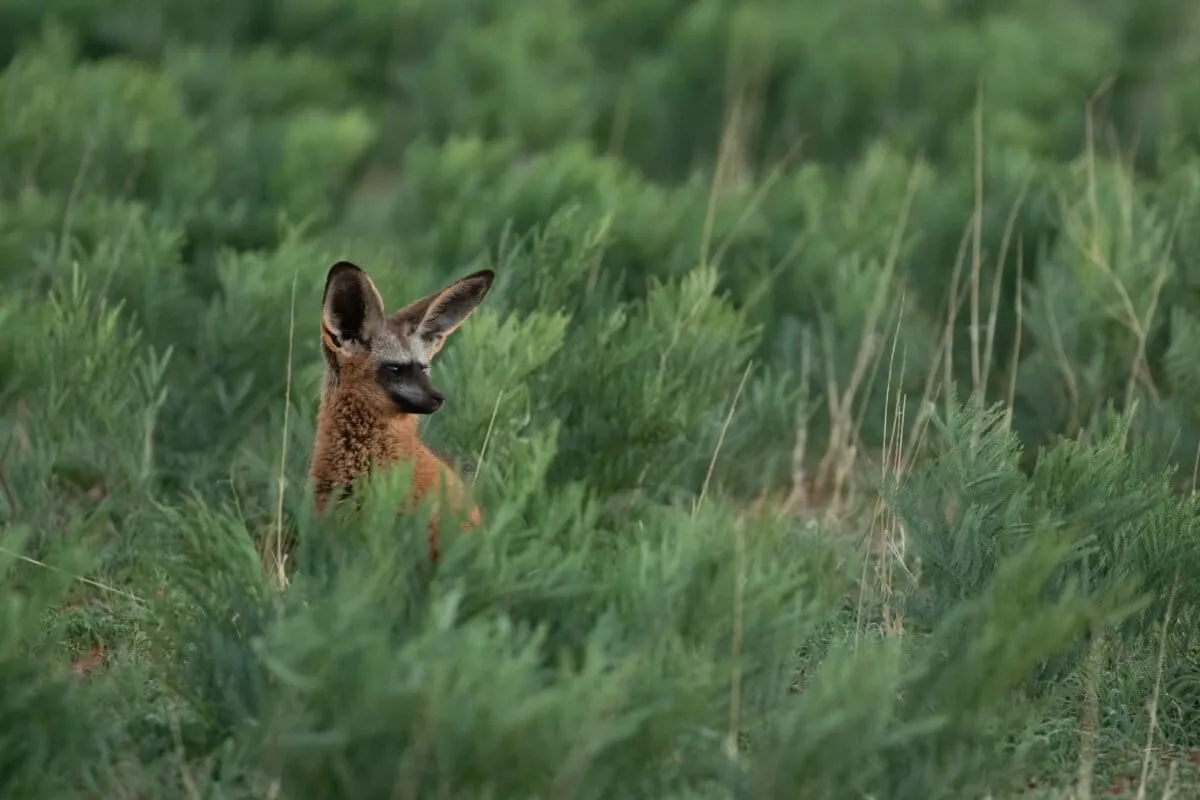
Finally, a story from the land that reminds us carbon capture isn't just about high-tech machinery. In South Africa, the Tswalu Kalahari Reserve is storing carbon across 292,000 acres, not through forests, but through its rich desert soils and teeming wildlife. It's a reminder that nature often has the best solutions, and sometimes, the most effective strategy is simply to let an ecosystem do what it does best. If you thought carbon solutions were all about planting trees, this shows a much broader, more nuanced approach is at play.
Hope stat: 700 kilometers — the estimated length of deep-water connections allowing coral larvae to travel between reefs.
Watch this space: How these newly discovered coral highways will factor into future conservation efforts and marine protected areas.