Imagine a tiny spaceship, no bigger than a human hair, zipping through the cosmos without a single drop of fuel. Now imagine it getting a steer from nothing but a laser beam. Researchers at Texas A&M just made a giant leap towards that reality, proving they can lift and steer objects using a new laser-driven system that literally never touches them.
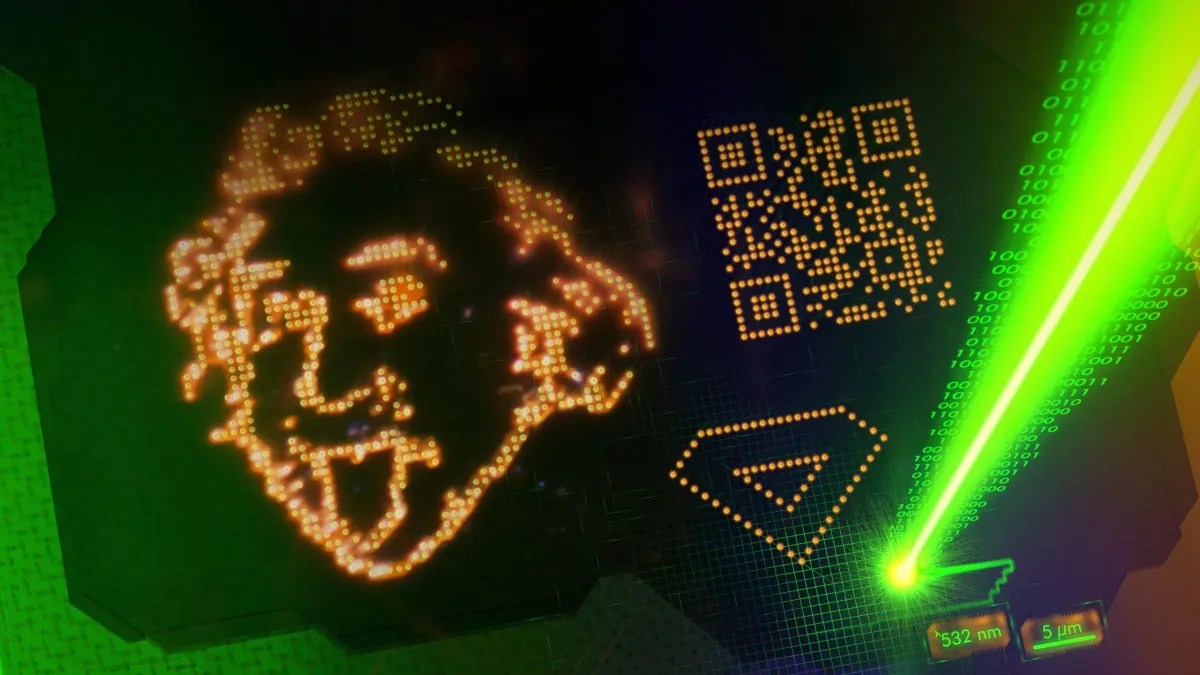
Their secret? "Metajets." These aren't something out of a sci-fi movie (yet), but rather incredibly tiny devices that react to laser light. By tweaking how these miniature sails interact with the photons, the team could control their movement in multiple directions. Which, if you think about it, is both impressive and slightly terrifying.
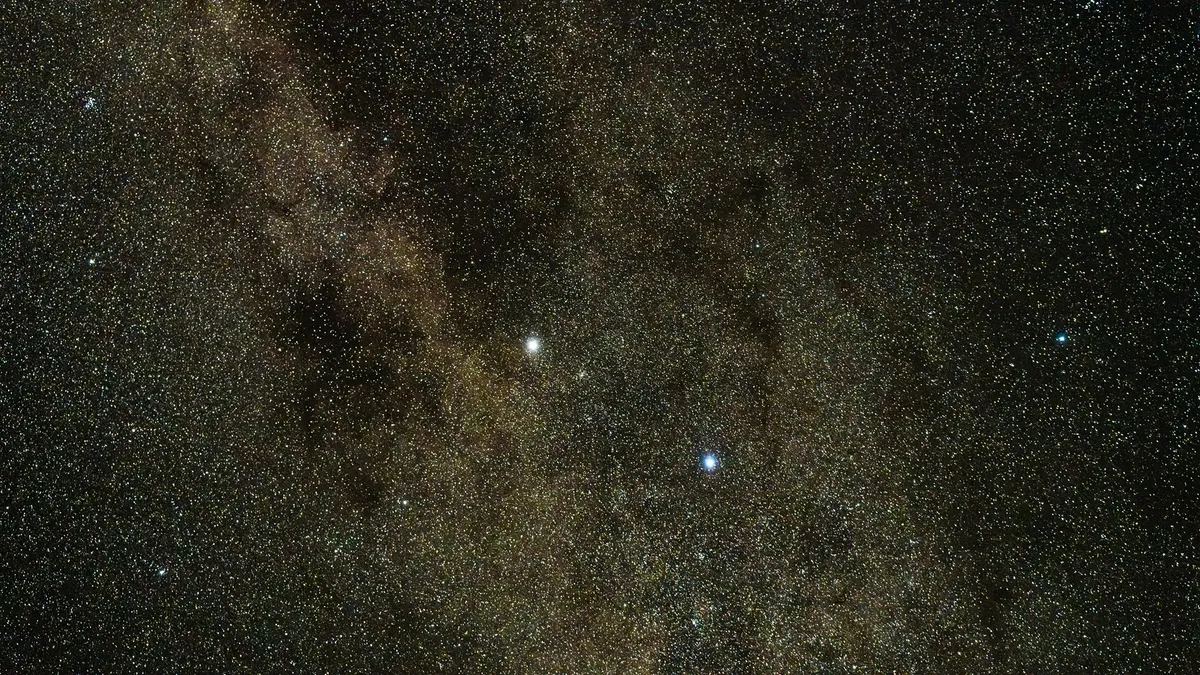
Why does this matter? Because getting to Alpha Centauri, our closest stellar neighbor, would take current rockets hundreds of thousands of years. Let that number sink in. Texas A&M’s light-based propulsion could, theoretically, slash that journey down to a mere 20 years. For now, we're talking about hair-sized devices, but the physics, they say, scales up. Provided, of course, we have enough optical power to blast a bigger ship.
We're a new kind of news feed.
Regular news is designed to drain you. We're a non-profit built to restore you. Every story we publish is scored for impact, progress, and hope.
Start Your News DetoxThe Gentle Push of Photons
Metajets are made from "metasurfaces" — ultra-thin materials etched with patterns so small they dictate how light behaves. Instead of burning rocket fuel, this system harnesses the incredibly subtle push of photons, those tiny particles of light. When a laser beam bounces off these specially designed surfaces, it creates a minuscule force. Enough of those minuscule forces, and you've got measurable thrust. It’s like billions of microscopic ping-pong balls hitting a surface, each delivering a tiny tap.
The real trick here is control. Older optical propulsion systems were pretty limited in their movement, or they needed complex light beams to steer. Texas A&M's method bakes the control directly into the material itself, making the whole setup simpler and, crucially, easier to scale up. The force generated mostly depends on the light's power, not the object's size. That's a good sign for future, larger applications.
They built these metajets using advanced techniques to precisely sculpt the shape, direction, and placement of features on each surface. The initial tests were done in a fluid, which helped minimize gravity's interference. Next up? Finding the funding to test this idea in microgravity, where Earth's pesky pull won't get in the way.
If successful, this could mean everything from tiny, fuel-free machines to deep-space probes that don't need a gas station every few light-years. And beyond space, imagine moving objects with pinpoint accuracy without ever laying a finger on them — useful for everything from micro-robotics to advanced manufacturing. The Lab for Advanced Nanophotonics at Texas A&M is leading the charge, and suddenly, the idea of sailing to the stars on a beam of light doesn't seem quite so far-fetched. It just seems like a really, really efficient way to travel.