Today, it seems the world decided to get serious about resources — where we find them, how we use them, and who benefits. From the depths of the ocean to the rooftops of our cities, a quiet revolution is underway, powered by ingenuity and a growing impatience for the status quo.
The Ocean: From Mystery to Mine
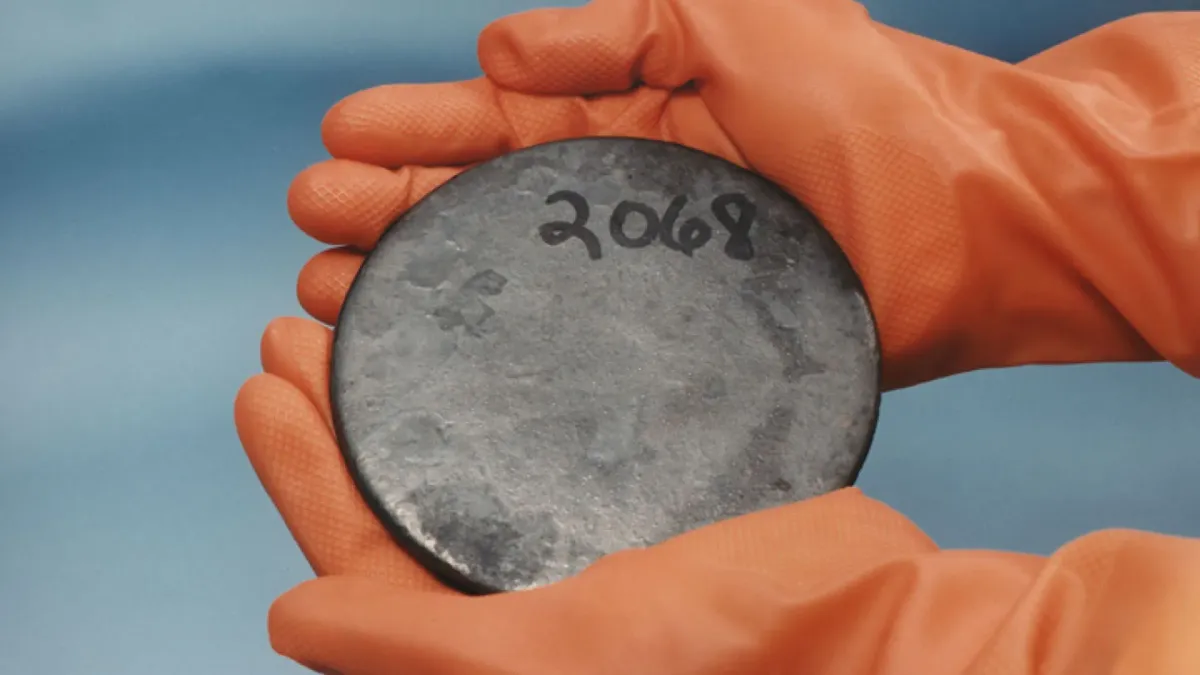
For centuries, the ocean has been a vast, unknowable expanse. This week, we saw it transformed, not just as a source of energy, but as a living laboratory and even a potential mining site. Take the researchers at the Qinghai Institute of Salt Lakes in China, who have engineered tiny, light-powered machines that hunt uranium like microscopic predators. Imagine a future where we can extract valuable resources from seawater with minimal environmental impact, powered by nothing more than light.
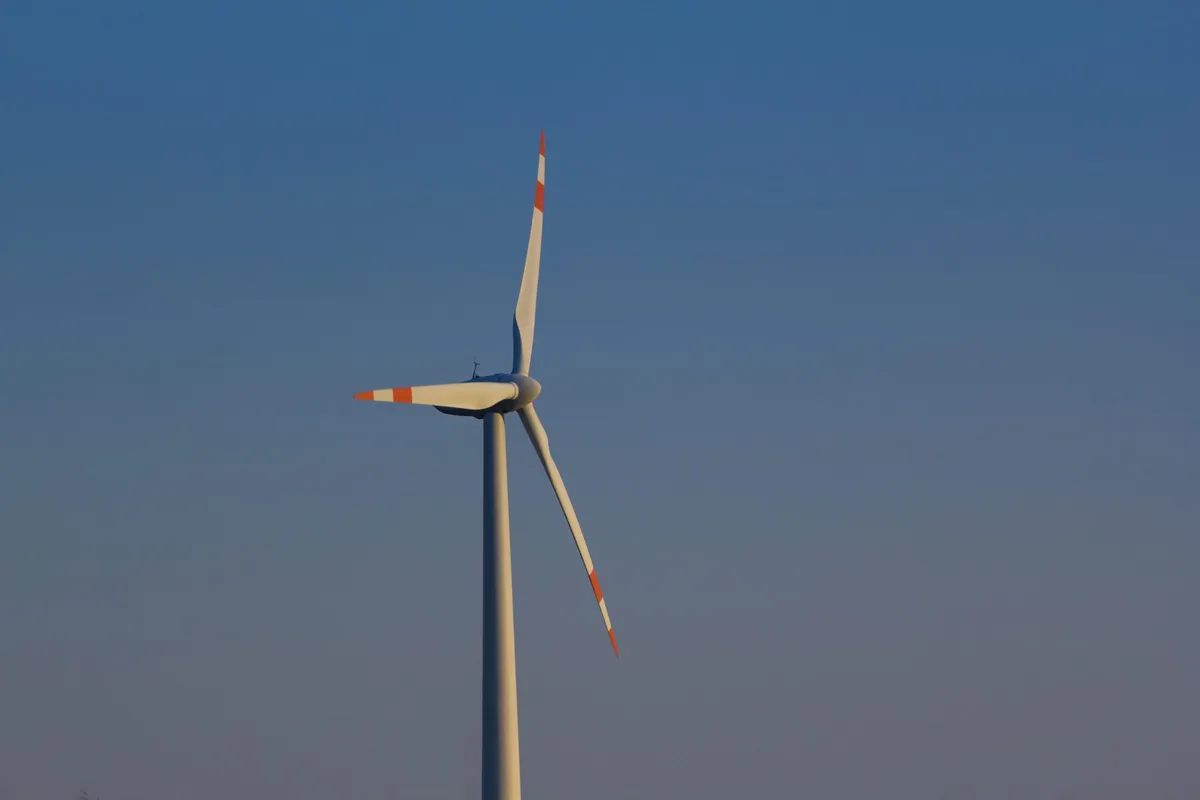
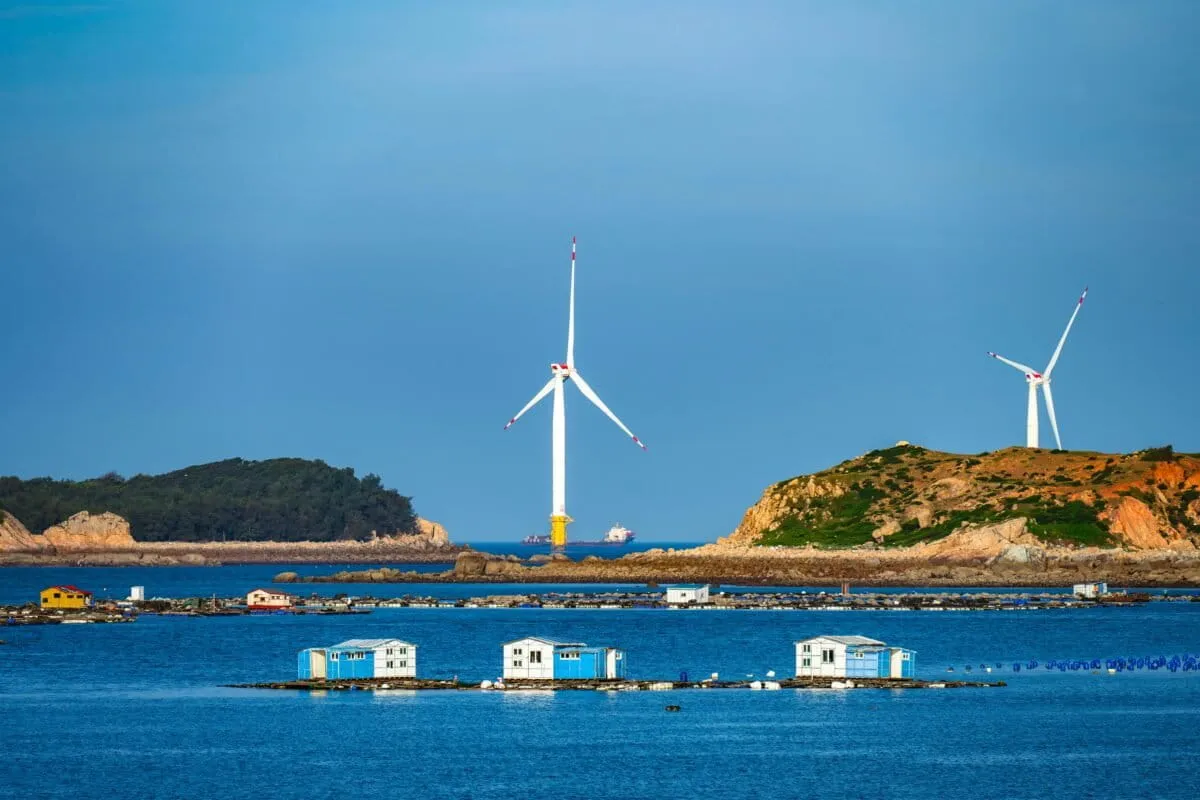
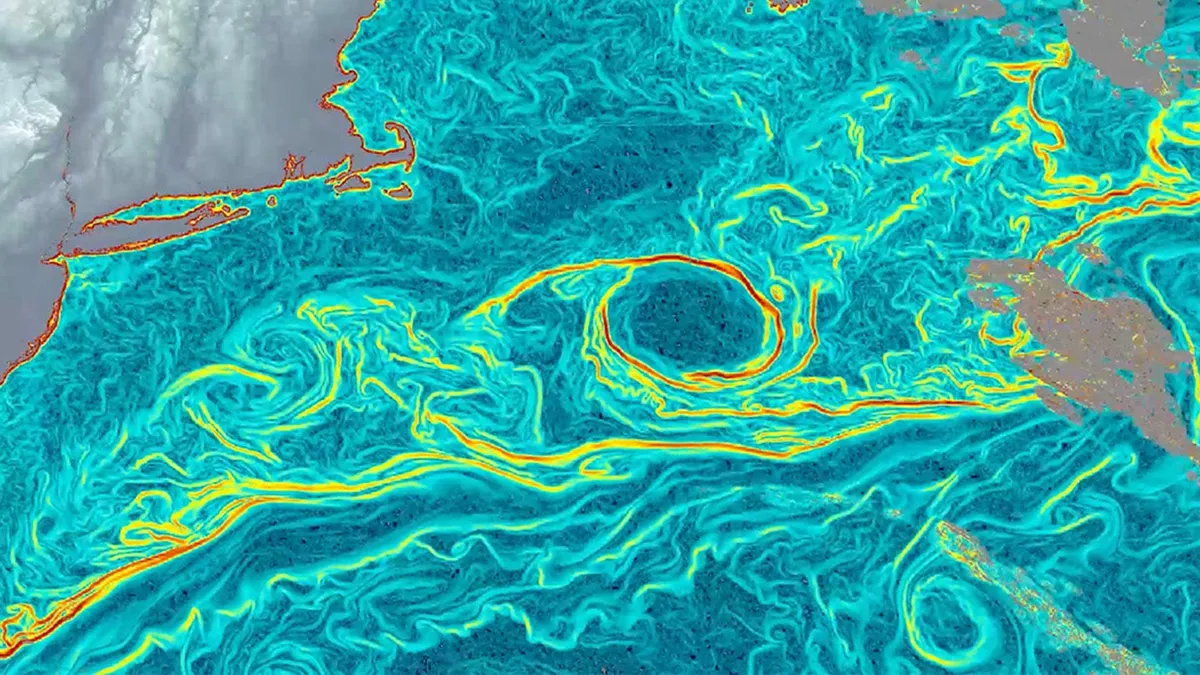
Meanwhile, the Webb Telescope saw water-ice clouds on a Jupiter-like world, revealing how much more complex these distant worlds are than our models suggest. Closer to home, AI is turning weather satellites into real-time trackers of the ocean's hidden highways, giving us unprecedented insight into currents that influence everything from shipping routes to climate patterns. And while we're gazing at the ocean, let's not forget that just 1% of its surface could power 20% of the world if we ever got serious about offshore wind. This means the ocean isn't just a place to study; it's a vital, untapped resource waiting for us to get smarter.
We're a new kind of news feed.
Regular news is designed to drain you. We're a non-profit built to restore you. Every story we publish is scored for impact, progress, and hope.
Start Your News Detox"In 2025, clean energy generation grew faster than global electricity demand for the first time, with renewables meeting all new power needs. Fossil fuel generation declined, driven by significant renewable expansion in countries like China and India." — Read the full story
The Age of Renewable Abundance is Upon Us
Speaking of getting serious about resources, 2025 was a watershed year. For the first time ever, renewables blew past global demand, meaning clean energy generation grew faster than global electricity demand. This isn't just a milestone; it's a paradigm shift. We're no longer just adding renewables; we're actively displacing fossil fuels, thanks to significant expansion in countries like China and India. This is the moment the curve finally bent.
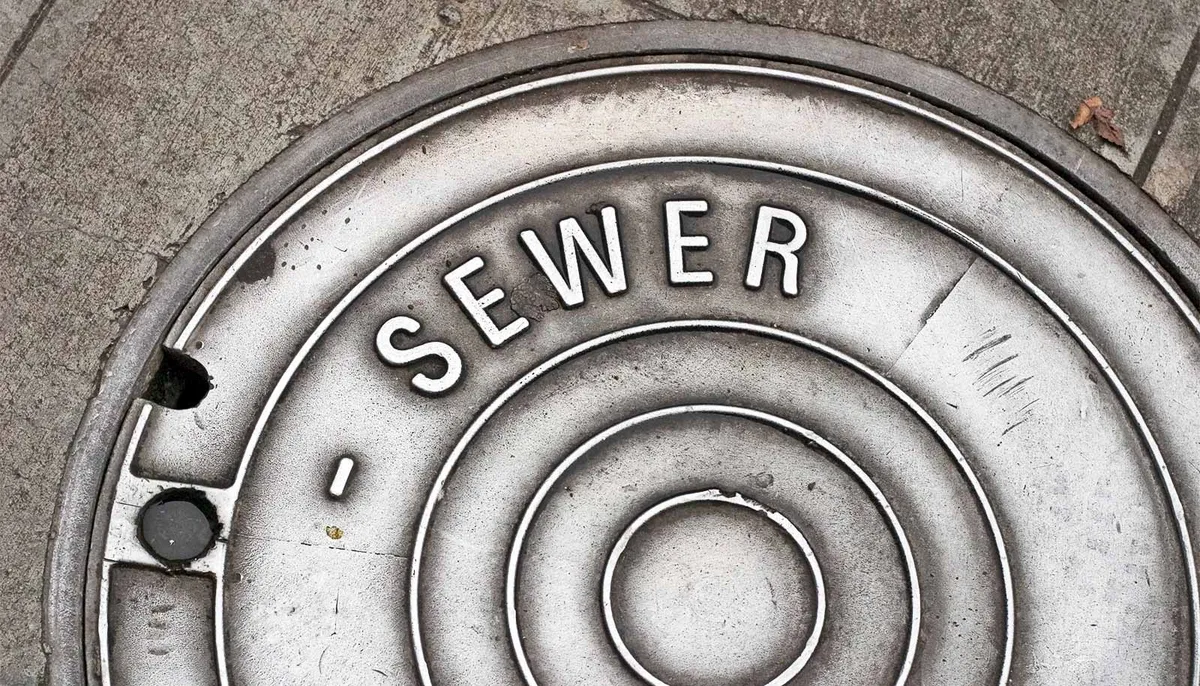
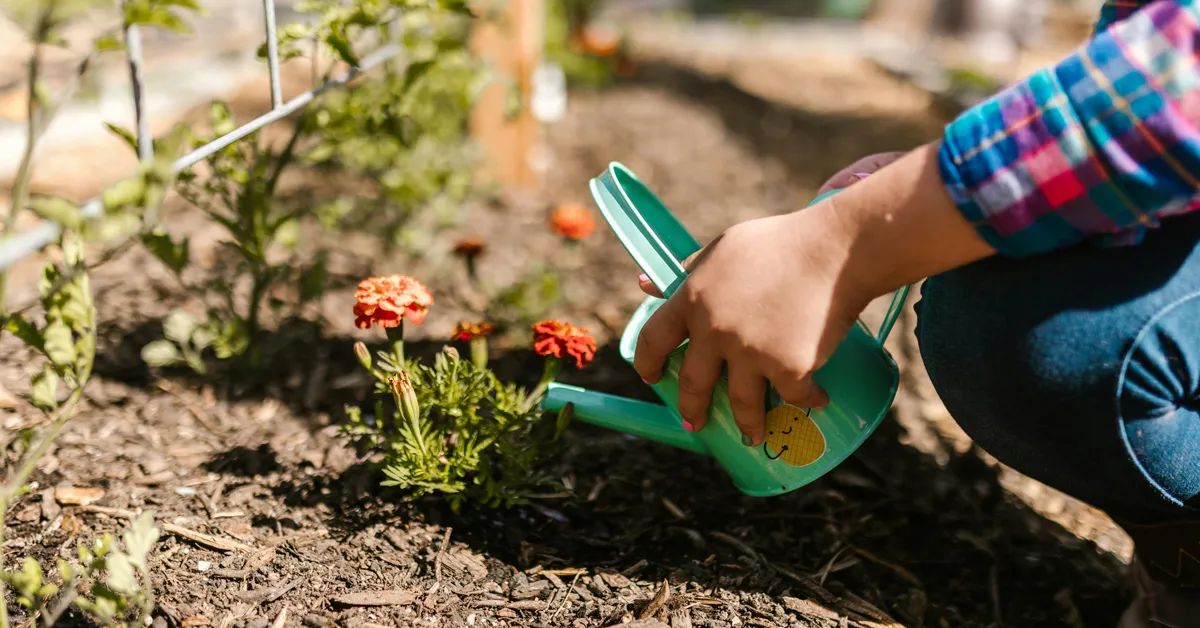
But it's not just about grand-scale energy. Innovation is also tackling the less glamorous side of resource management. Researchers have developed a new method that turns sewage sludge into pipeline-ready natural gas, efficiently creating renewable fuel while reducing treatment costs. And in our cities, a quiet revolution is taking place on rooftops. Cities are full of unused space, and it's time to put a garden on it. Turning barren rooftops into vibrant green spaces doesn't just look better; it improves air quality, reduces urban heat, and even provides local food. If you've ever felt overwhelmed by the scale of climate challenges, this week proves that the solutions are here, and they're scaling up.
Fairness, Fast and Local
Finally, this week brought a focus on making systems work better for everyone, especially when it comes to fundamental needs. In Pakistan, a 25-year-old lawyer named Mahnoor Omer is taking her country to court over its 'period tax', fighting to make essential menstrual products affordable and accessible for all. This kind of direct, localized action for equity is powerful. 
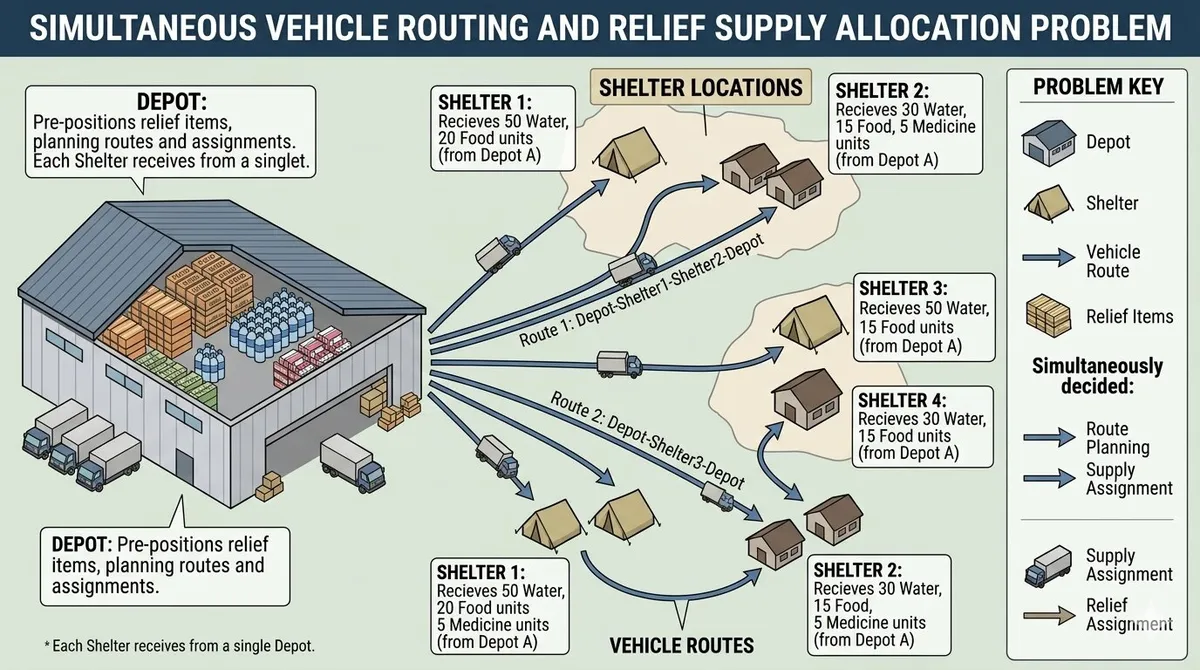
Meanwhile, researchers from Koç University developed a new algorithm that delivers disaster aid faster, fairer, and with less chaos. By integrating fairness directly into logistics, this model can reduce inequality in unmet demand by up to 34% without sacrificing speed. This means that even in moments of crisis, we're finding ways to ensure that help reaches those who need it most, not just those who are easiest to get to. If you've ever felt helpless in the face of inequity, these stories remind us that committed individuals and smart algorithms are actively building a more just world.
Hope stat: 34% — the reduction in inequality of unmet disaster aid demand achieved by a new algorithm, without sacrificing delivery speed.
Watch this space: The continued global expansion of renewable energy capacity and its ongoing impact on fossil fuel markets.