Imagine storing information without a single electron needing to lift a finger. German and Japanese researchers, including a team from the University of Augsburg, just took a giant leap in that direction, using tiny laser pulses to write magnetic data. No electric currents. No magnetic fields. Just light.
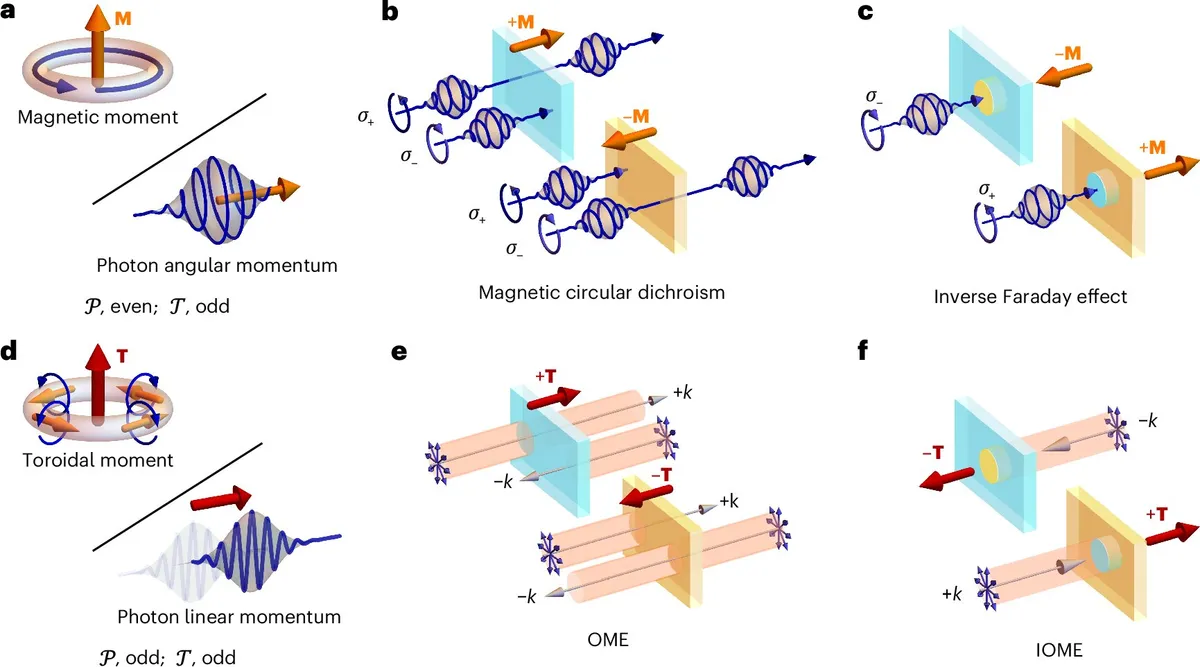
Antiferromagnets, the unsung heroes of this story, have always been the shy, fast kids on the block. They react to changes at lightning speed and couldn't care less about outside magnetic interference, making them prime candidates for future data storage. The catch? Getting them to actually do what you want has been, shall we say, a challenge.
Light-Speed Storage
Enter physicist Prof. István Kézsmárki and his team. Instead of messing with the light's polarization (the usual trick), they figured out how to use the light's direction of travel—its pulse—to boss the material around. A targeted laser zap, and boom: magnetic states switch, information is written. Another zap, and it's read back, all with light.
We're a new kind of news feed.
Regular news is designed to drain you. We're a non-profit built to restore you. Every story we publish is scored for impact, progress, and hope.
Start Your News DetoxEven better, this works with telecommunications wavelengths. Meaning, it plays nice with all the existing fiber optic networks already humming along. Think about that: optical communication talking directly to magnetic data storage. It's like your internet connection suddenly decides it also wants to be your hard drive. Faster, and way, way less power hungry.
The team even showed they could etch complex magnetic patterns into the material, and these patterns stuck around. You could zap the material repeatedly, and the information stayed put. This "nonvolatile" storage is the holy grail for any practical data tech — because what's the point of writing something if it vanishes when you blink?
This isn't just a lab curiosity. This approach could lead to an entirely new class of information tech. Data written directly with light, stored magnetically, no electrical signals required. We're talking vastly increased speeds and drastically reduced energy consumption for everything from colossal data centers to the communication systems that keep our world spinning. Which, if you think about it, is both impressive and slightly terrifying for anyone still clinging to their spinning hard drive.