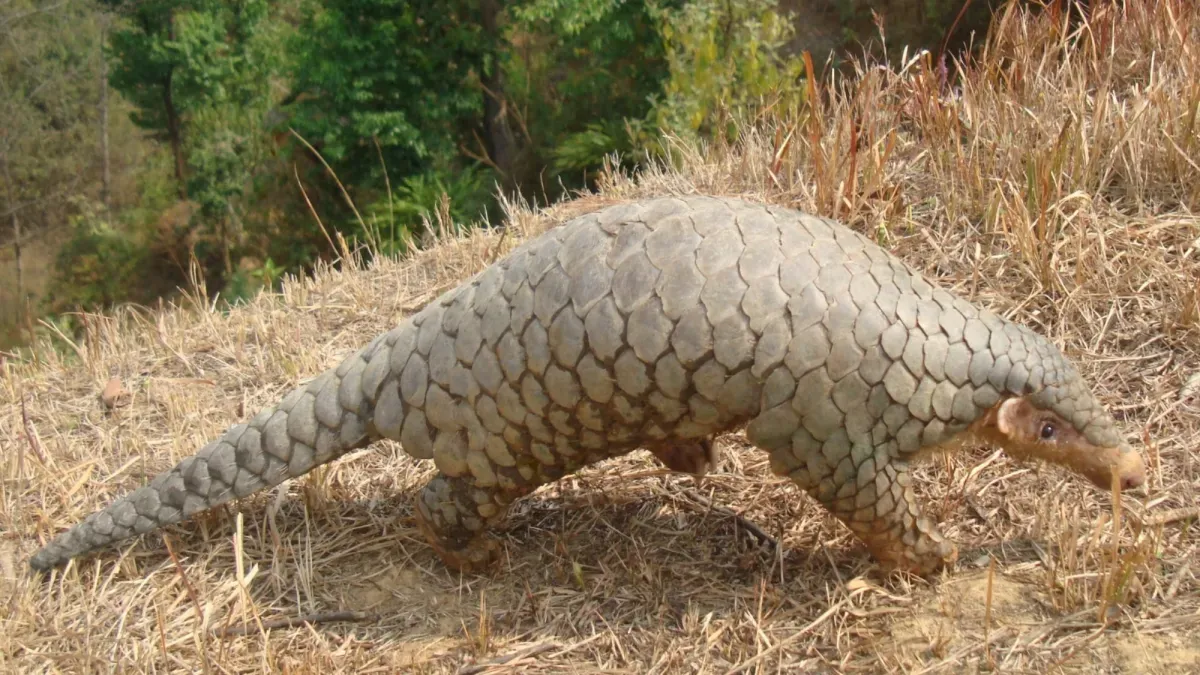
Pangolins look like walking pinecones with legs and a tail. Their bodies are covered in scales, which protect them. These scales also make them very valuable to poachers. Pangolins are the most trafficked mammals in the world and are now at risk of extinction.
Scientists have now identified an unrecognized species of Asian pangolin, Manis aurita. It has been living in Nepal and Northern India. This discovery helps biologists better understand where pangolins live and how different types vary. This new species could help prevent poaching. The details were published in the journal Communications Biology.
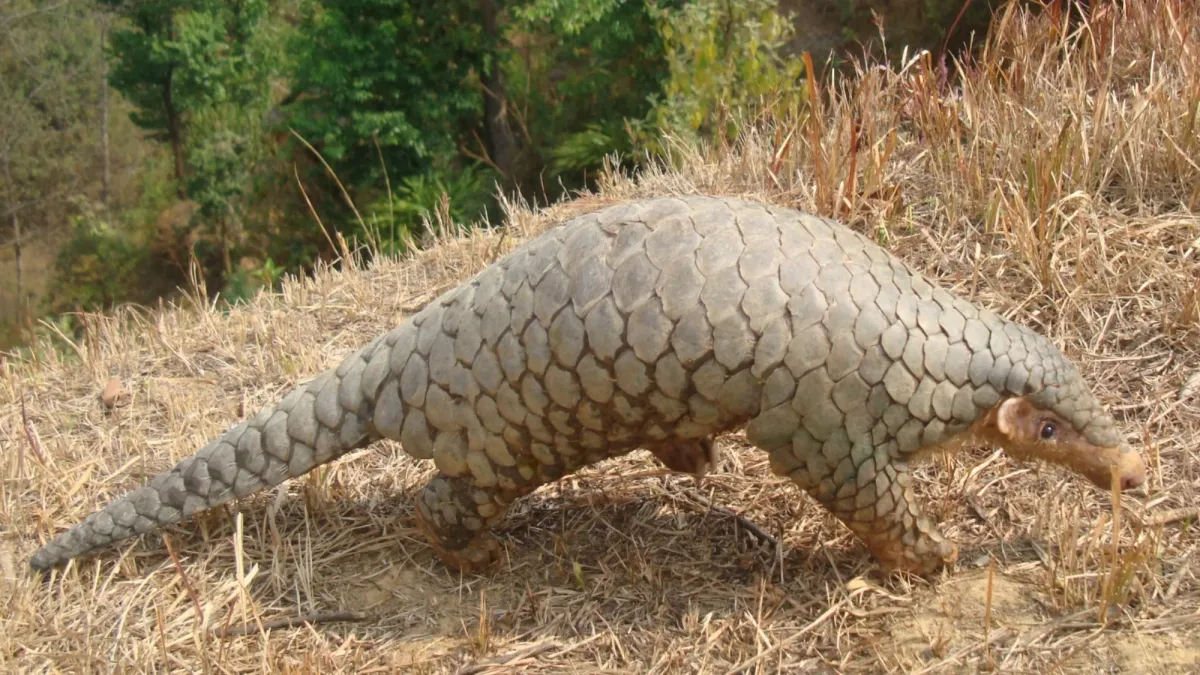
Anderson Feijó, a mammologist at the Field Museum in Chicago and co-author of the study, said, "We can't protect what we do not know. Now that we have confirmed this other species exists, we can use that information to help protect these endangered animals."
We're a new kind of news feed.
Regular news is designed to drain you. We're a non-profit built to restore you. Every story we publish is scored for impact, progress, and hope.
Start Your News DetoxUnraveling the Pangolin Family Tree
Last year, scientists suggested that Chinese pangolins (Manis pentadactyla) were not all the same. What was thought to be one species was actually two. One lives mostly in China, and the other is found in the Himalayan foothills across Nepal, India, Bhutan, and Myanmar. They named the mountain-dwelling pangolin Manis indoburmanica.
Feijó and his team were already studying the pangolin family tree for ten years. They used physical traits and DNA to figure out how many species exist and how they are related. They then learned about another pangolin species, Manis aurita, first described in 1836. Over the decades, it was reclassified as a subspecies of the Chinese pangolin. This left the team with a puzzle: what was the relationship between indoburmanica and aurita? Were they the same species?
A Nearly 200-Year-Old Clue
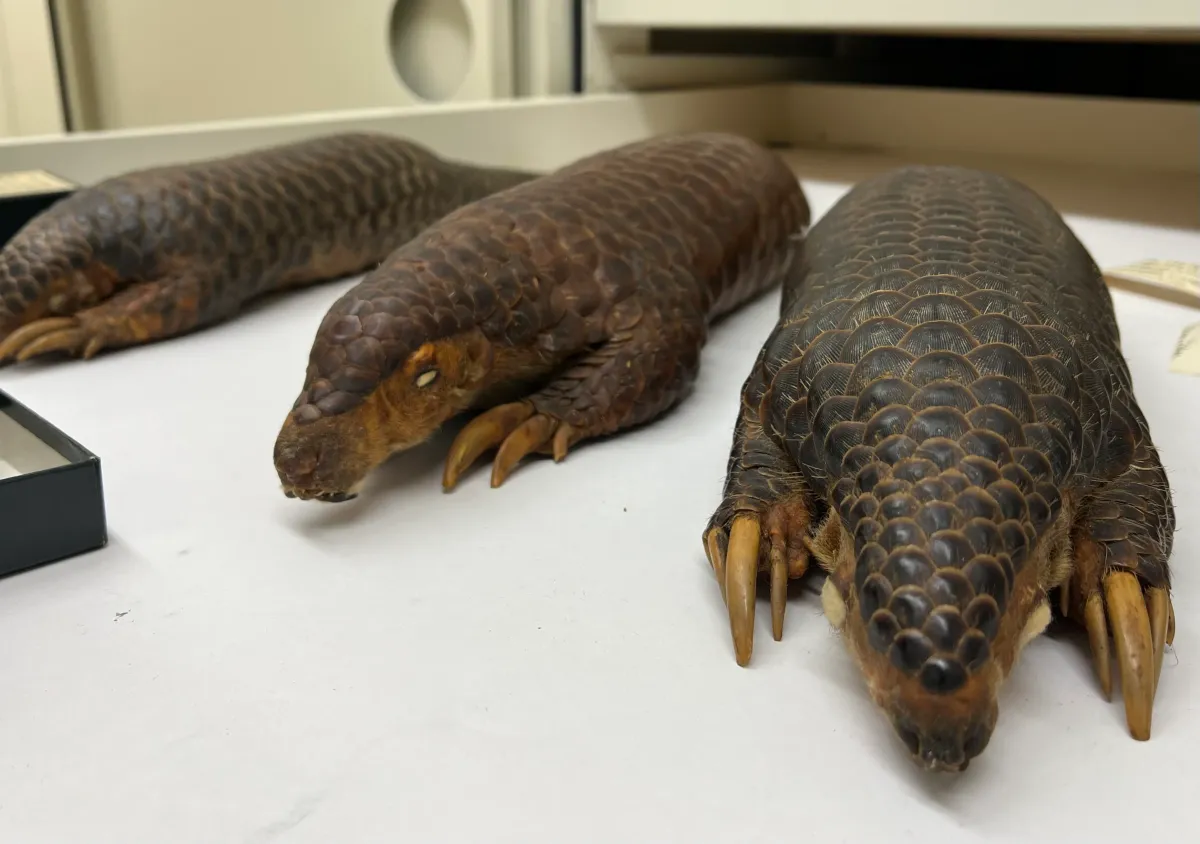
Museum archives provided the answer. Kai He, a researcher at Guangzhou University in China and study co-author, said the most exciting clue came from the Natural History Museum (NHM) in London. The NHM team successfully sequenced DNA from a historical specimen of the Nepalese subspecies (aurita) from 1836. This specimen was nearly 190 years old.
This ancient DNA from London proved crucial. Modern pangolin specimens from the Himalayas matched aurita. This meant the species described in 2025 as M. indoburmanica should actually be called M. aurita.
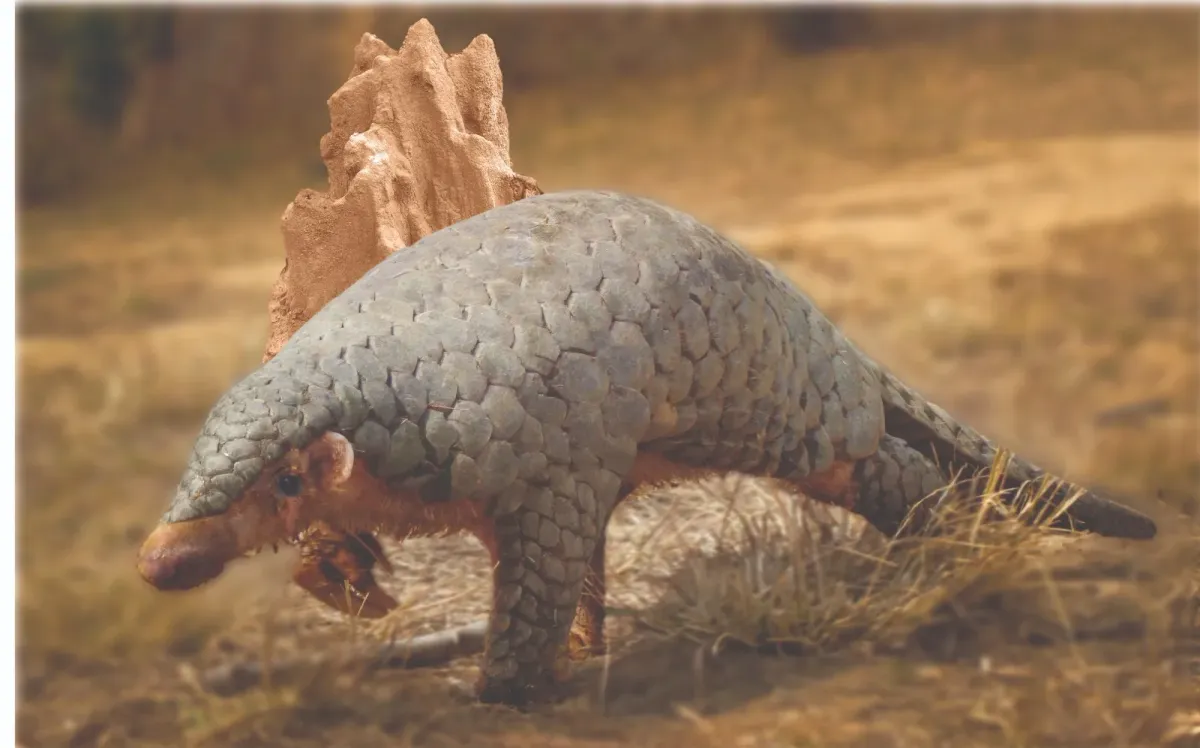
The differences between the Himalayan pangolin (M. aurita) and the Chinese pangolin are subtle but important. The Himalayan pangolin has a larger body, a longer tail, and noticeably smaller ears. Feijó noted that the name aurita even refers to its distinct ears.
How Accurate Names Help Conservation
These two species also live in different areas that do not overlap. For critically endangered animals, especially those targeted by poachers, knowing the exact species and where they live is vital for their protection.
Pangolin scales are believed to be an aphrodisiac in traditional Chinese medicine. This demand makes illegal poaching very profitable, posing a huge threat to these animals. Stopping poaching is a difficult task.
Feijó explained that in marketplaces, mostly pangolin scales are found, not whole animals. This makes it hard to know which species are being hunted and where they come from.
New DNA analyses, like this one, can help scientists identify the poached pangolin species. Conservationists can then use samples from illegal marketplaces to find out which species are being hunted. This helps locate the areas most at risk for poaching. This data can then be used to stop poachers and help reintroduce pangolins to their correct regions.
The team stressed that real-world conservation efforts like these depend on museum collections. Many collections hold pangolin specimens over 100 years old.
Narayan Koju, a biologist at Pokhara University in Nepal and study co-author, added that confirming Manis aurita as a valid species shows the importance of long-term research, international teamwork, and museum collections. He said it provides a strong scientific base for conservation planning, wildlife forensics, and efforts to protect one of the world’s most trafficked mammals from extinction.