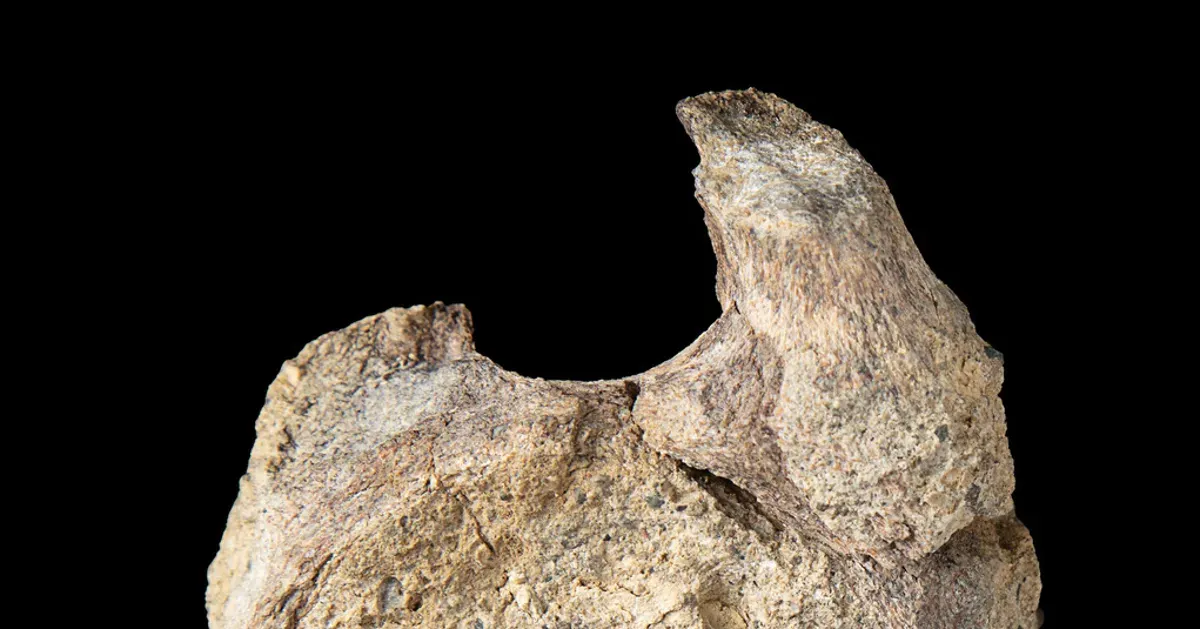
Imagine the geological equivalent of finding a winning lottery ticket stuffed in the back of your sock drawer. That's essentially what happened when scientists realized a bone, collected way back in 1985, wasn't just any old reptile fossil. It was a dinosaur. From Antarctica. Which, if you think about it, is both impressive and slightly terrifying.
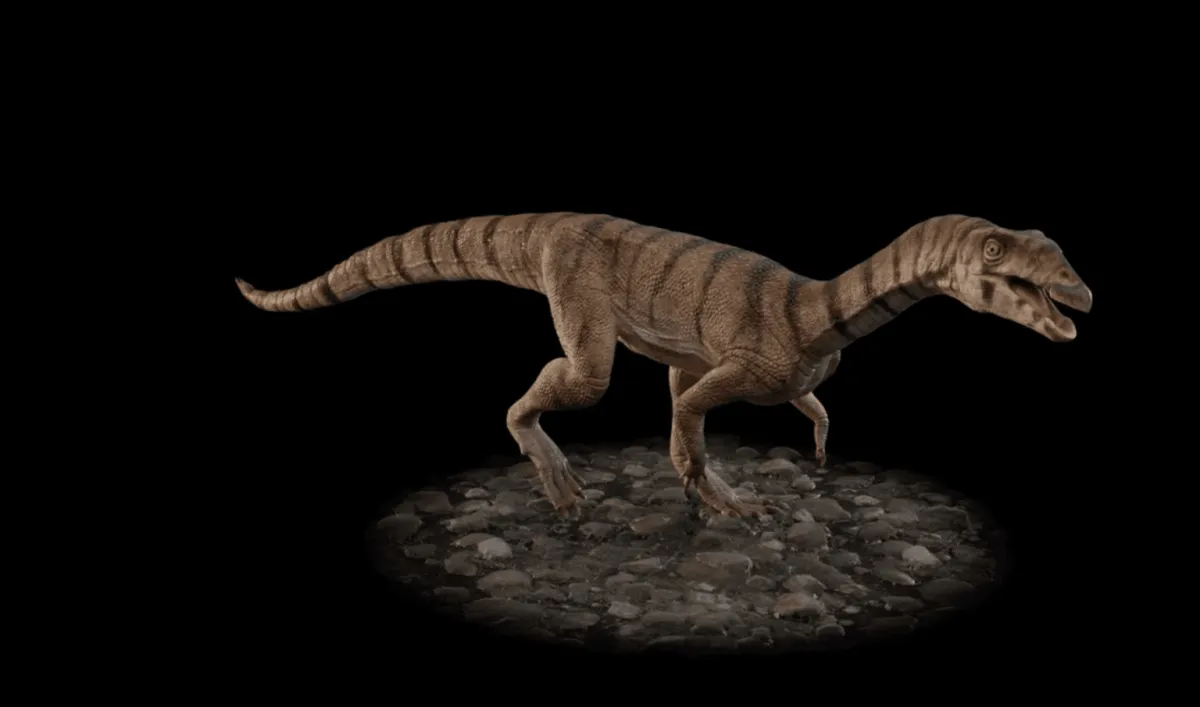
The bone, specifically a tail vertebra, belonged to a titanosaur – those long-necked, plant-munching giants we all know and... well, mostly imagine. Its exact species is still a mystery, but the fact it was found at all is a big deal.
Geologist Mike Thomson first stumbled upon it on Antarctica's James Ross Island. He was out mapping rock layers and gathering marine reptile bits for dating purposes, dutifully noting this particular find as a 'large reptile bone.' He then filed it away, probably thinking, 'Future me can deal with this.' Future Mike, sadly, passed away in 2020 before its true identity was revealed.
We're a new kind of news feed.
Regular news is designed to drain you. We're a non-profit built to restore you. Every story we publish is scored for impact, progress, and hope.
Start Your News DetoxFast forward a few decades. Paleontologist Mark Evans, rummaging through the British Antarctic Survey's collection, spotted the bone. He had a hunch. After some serious scientific sleuthing, comparing its shape to other dinosaur remains, the truth was out: a dinosaur bone from a continent not exactly known for its thriving dino scene. Their findings, a testament to the power of a good hunch, were published in Acta Palaeontologica Polonica.
Antarctica: Not Always a Frozen Tundra
Finding dinosaur fossils in Antarctica is about as easy as finding a warm cup of coffee there. The whole place is pretty much a giant ice cube. But millions of years ago, when this particular titanosaur was roaming, Antarctica was a veritable paradise of lush forests. Paul Barrett, a co-author from London's Natural History Museum, put it best: it was "a rather different and much more hospitable place than we think of today."
This particular titanosaur was a bit on the smaller side for its kind, clocking in at around seven meters long. Researchers think it might have been a juvenile when it shuffled off this mortal coil. Its body likely drifted out to sea, sank, and eventually became fossilized in marine rock, waiting for a very patient geologist to come along.
It's a testament to how far technology has come that scientists can now peek inside bones for even more secrets. And while Mike Thomson didn't live to see his discovery identified, Evans is pretty sure he "would be delighted to know what this was." Because sometimes, the biggest discoveries are just waiting patiently in a drawer. Until someone finally decides to take a closer look.