A newly found ape fossil in Egypt could change what we know about how modern apes evolved. For a long time, there was a big gap in the fossil record for apes in North Africa. This new discovery might help fill that gap.
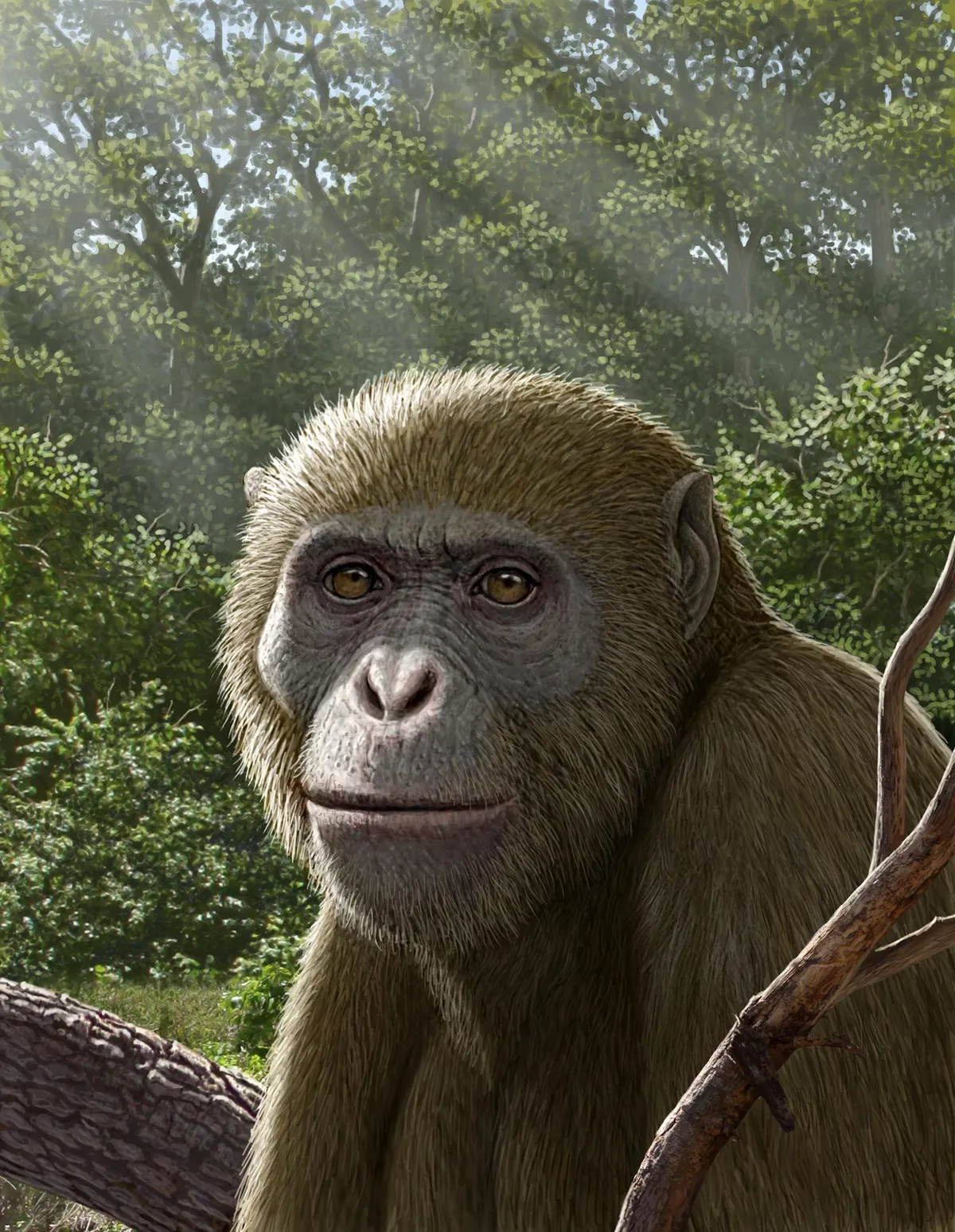
Researchers found a new ape species called Masripithecus moghraensis. It lived about 17 to 18 million years ago. This is the first clear ape fossil found in North Africa. It suggests the region was important for early ape evolution.
Hesham Sallam, a paleontologist from Mansoura University, said they spent five years looking for this kind of fossil. He believes North Africa holds a missing piece in the early ape family tree.
We're a new kind of news feed.
Regular news is designed to drain you. We're a non-profit built to restore you. Every story we publish is scored for impact, progress, and hope.
Start Your News DetoxFilling a Fossil Gap
Before this find, older fossil sites in North Africa had only shown monkey remains, not apes. This led scientists to think early apes mostly lived further south in Africa.
Younger ape fossils have been found in Africa, Asia, and Europe. But scientists still debate how these fossils are connected and where apes first came from. The incomplete fossil record might have made it harder to understand the origins of all living apes, including gibbons, orangutans, gorillas, chimpanzees, and humans.
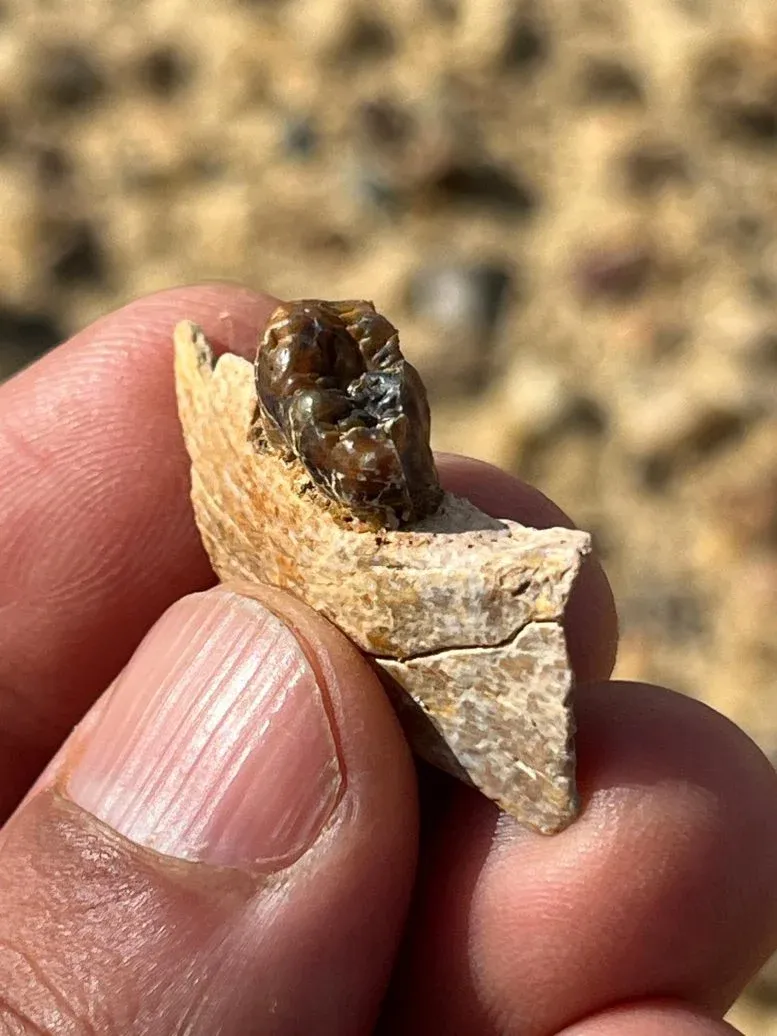
The discovery of Masripithecus shows that apes did live in North Africa during this time. It also shows this new species was different from East African apes of the same age. The name Masripithecus combines "Masr," the Arabic word for Egypt, with "píthēkos," the Greek word for ape. The species name refers to Wadi Moghra, where the fossil was found in 2023 and 2024.
Flexible Feeding Habits
The fossil is a lower jaw with unique features. It has unusually large canine and premolar teeth. Its molars have rounded, heavily textured chewing surfaces, and the jaw is very strong.
These features suggest Masripithecus was adaptable. Its chewing ability points to a diet mainly of fruit. But it could also eat harder foods like nuts or seeds when needed.
Shorouq Al-Ashqar, a researcher at Mansoura University, explained that this flexibility helped Masripithecus survive. At that time, climate changes were making seasons more distinct in northern Africa and Arabia.
New Ideas About Ape Origins
The anatomy of Masripithecus is only part of the story. Its place in the ape family tree is also important. Researchers used advanced methods to combine anatomical data from living and extinct apes, DNA from living apes, and the ages of fossil species. This helped them figure out how different ape groups are related and when they separated.
Their analysis shows that Masripithecus is more closely related to living apes than any other known Early Miocene ape from East Africa.
The team's studies also suggest that northern Africa and the Middle East were likely where the common ancestor of all living apes lived. This ancestor is thought to have lived during the Early Miocene.
At that time, the African and Arabian plates were moving north and colliding with Asia. This made the region a natural pathway for animals to move between different areas.
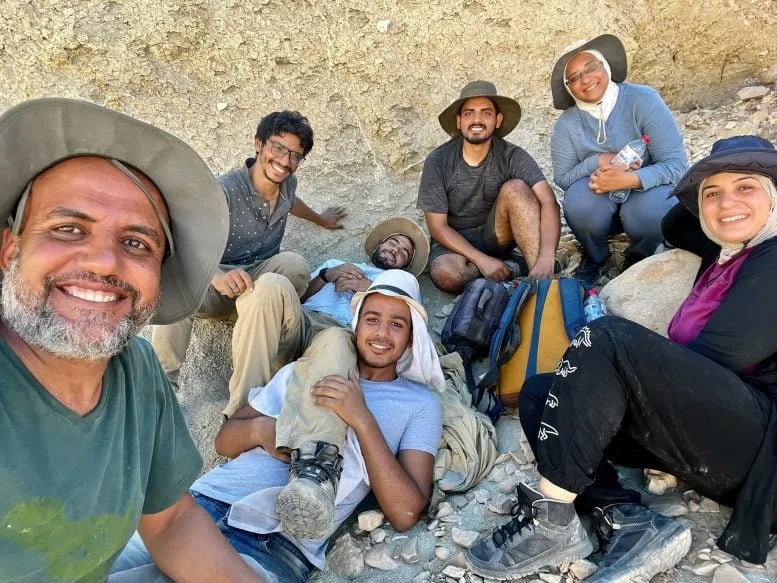
Masripithecus helps connect the ape fossil records of Africa and Eurasia, which once seemed separate. Its presence suggests apes were already diversifying in this region. They were ready to spread into Europe and Asia once land connections opened up.
Erik Seiffert, a paleontologist at the University of Southern California, said this discovery changed his view on ape origins. He used to think the common ancestor of all living apes lived in East Africa. But this new fossil and the team's analysis challenge that idea.
Researchers believe more fieldwork in the region could uncover more fossils. These would be crucial for understanding how modern apes began and diversified. Masripithecus moghraensis shows that important parts of our evolutionary story might still be hidden in unexplored places.
Deep Dive & References
An Early Miocene ape from the biogeographic crossroads of African and Eurasian Hominoidea - Science, 2026