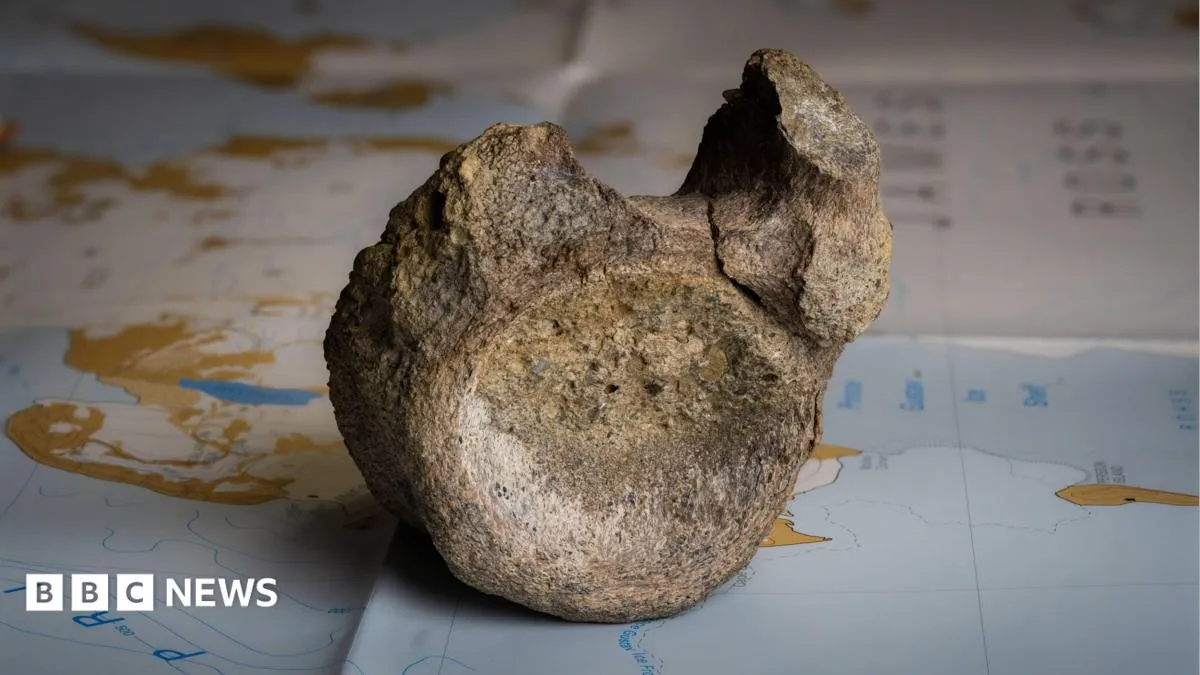
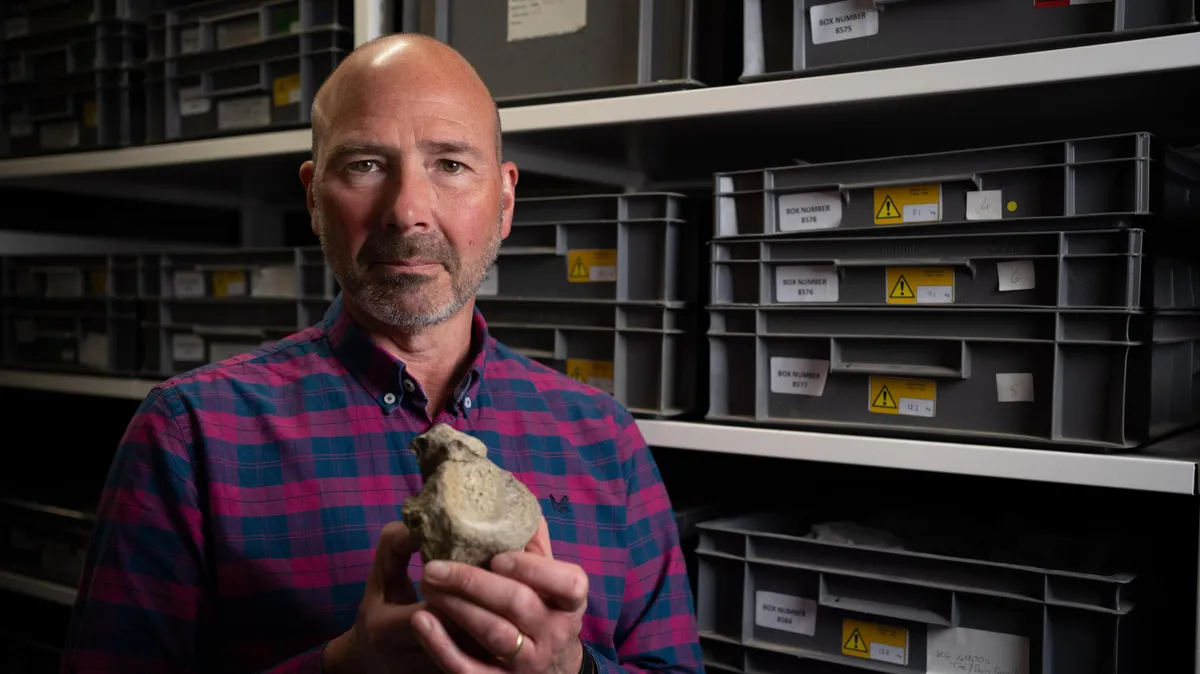
An old fossil, forgotten for 40 years in a drawer, has been identified as the first dinosaur bone ever found in Antarctica.
The bone was dug up in 1985. The team who found it wasn't sure what it was, so it was stored in the British Antarctic Survey (BAS) collection in Cambridge.
Now, experts have confirmed it's a tail bone from a Titanosaur. This group includes some of the biggest dinosaurs that ever lived. This finding helps us understand how these huge animals lived in a part of the world where fossils are rare.
We're a new kind of news feed.
Regular news is designed to drain you. We're a non-profit built to restore you. Every story we publish is scored for impact, progress, and hope.
Start Your News DetoxA Hidden Discovery
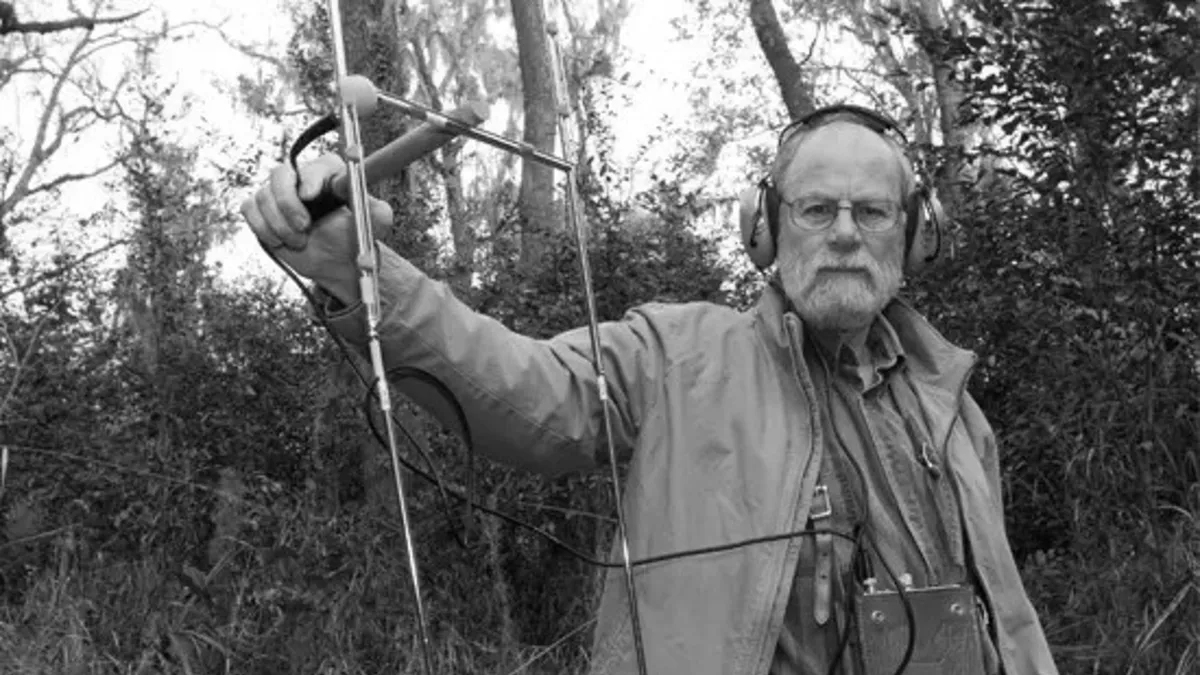
Dr. Mark Evans, the collections manager at BAS, recently found the fossil among thousands of specimens. These items were brought back from Antarctic trips over many decades.
He said that sometimes you find something interesting when you look through old drawers. The fossil was first collected on James Ross Island. Geologist Dr. Mike Thomson recorded its discovery in his field notebook.
Next to a small sketch of the fossil, dated December 9, 1985, he wrote "vertebra of large reptile" and noted it was about 10 cm wide. Evans believes the original team likely thought it was from a marine reptile.
But when Evans saw it, he recognized it looked like a dinosaur bone. Because of its discovery date, it would be the first dinosaur fossil found on the continent.
Confirming the Titanosaur
Evans asked Professor Paul Barrett from the Natural History Museum (NHM) to confirm his finding. Barrett explained that even though the fossil doesn't look like much, it has a very specific shape.
He pointed out a hollow on one end and a rounded bump on the other. These features are unique to Titanosaur vertebrae, which connect like ball-and-socket joints. Barrett immediately knew it was a Titanosaur.
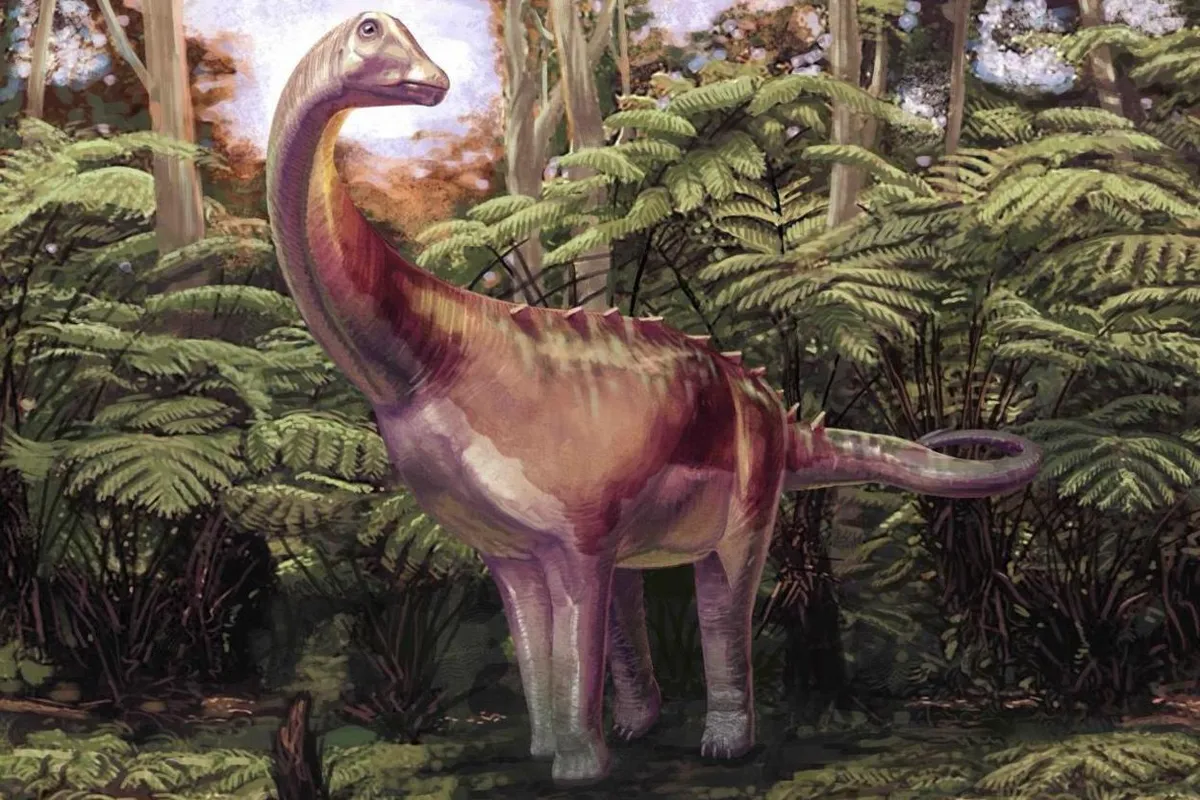
Over 100 species of Titanosaurs have been found worldwide. They were all four-legged plant-eaters with long necks and tails. The largest ones could be over 35 meters long and weigh about 60 tons.
Based on the tail bone's size, scientists think this Antarctic Titanosaur was about 7 meters long. Barrett suggested it might have been a young dinosaur or a smaller adult.
This dinosaur lived 82 million years ago during the Late Cretaceous Period. At that time, Antarctica was covered in thick forests, providing plenty of food for plant-eating animals.
Antarctica's Past
This long-forgotten fossil is now an important part of Antarctica's exploration history. Other dinosaur fossils have been found there since 1985, but not many.
Antarctica is a difficult place for paleontologists to work because ice covers much of the ancient rock. Barrett noted that the discovery shows an area we now see as uninhabitable was once full of life. It helps us understand how these creatures fit into the ecosystems at the bottom of the world 80 million years ago.