A group of physicists in the Netherlands built a tiny Christmas tree from ice particles—and in doing so, stumbled onto something with real applications beyond holiday decoration.
The method relies on evaporative cooling, the same physics that makes sweat cool your skin or causes steam to rise from coffee. What made this work was precision: the researchers sprayed water through a nozzle so fine it measured just 16 micrometers across. At that scale, the surface-to-volume ratio became so extreme that as water molecules escaped as vapor, they pulled enough heat from the jet to freeze it instantly on contact with a surface.
A simpler way to print with ice
They adapted a commercial 3D printer by swapping its standard nozzle for their water jet and housing the whole setup inside a vacuum chamber. The result: ice structures built without any special additives or costly chemicals. Previous ice-printing methods required chemical agents to work properly. This approach produces pure ice that melts cleanly to water with zero residue.
We're a new kind of news feed.
Regular news is designed to drain you. We're a non-profit built to restore you. Every story we publish is scored for impact, progress, and hope.
Start Your News DetoxThe proof-of-concept tree stands about 3.14 inches tall—small enough to hold in your palm. But the real value lies in what comes next. Ice structures could carve clean, hollow channels through resin or polymer materials, useful in manufacturing and materials science. Tissue engineers are already exploring whether the same principles could help create precise scaffolds for surgical applications.
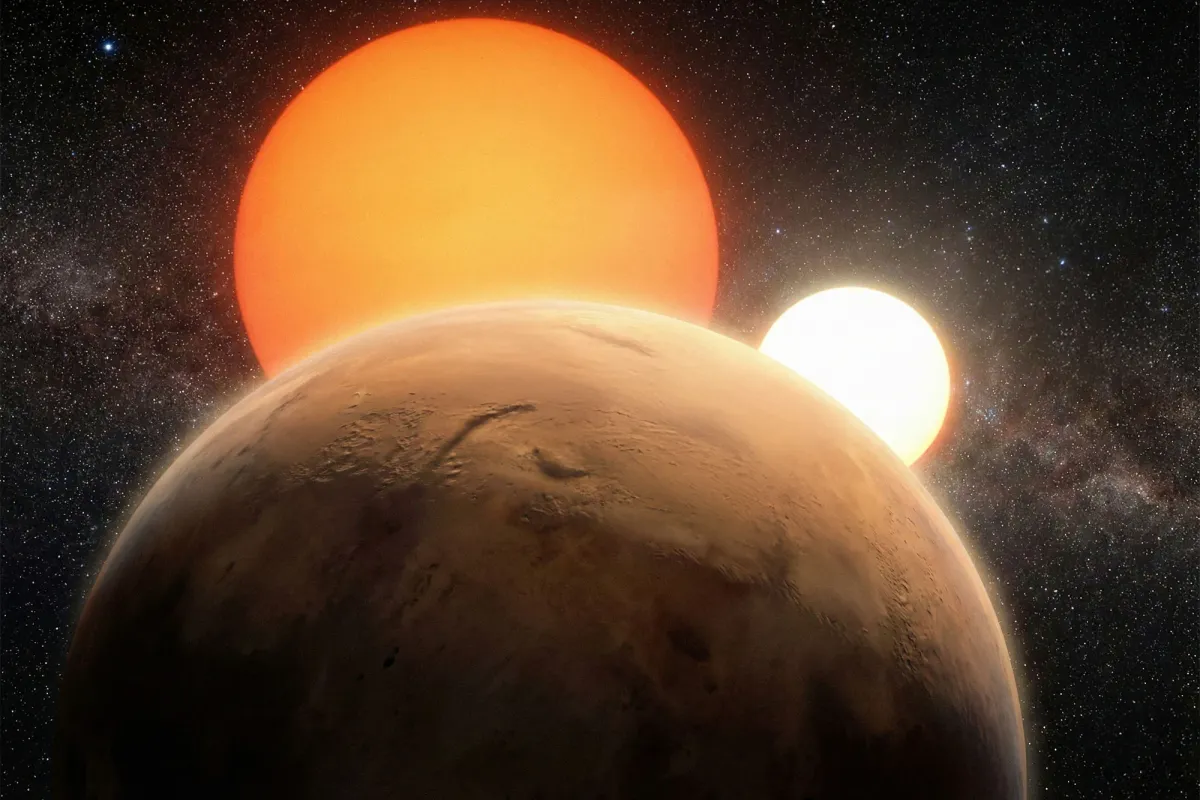
There's even a planetary angle. Mars has surface pressure conditions that fall within the operating range of their vacuum printer. Astronauts could theoretically 3D-print structures from Martian ice without hauling specialized cryogenic equipment across 140 million miles of space.
The team published their findings in Nature, framing what started as a holiday project as a potential breakthrough in additive manufacturing. No additives required—just physics doing what it does best.