When disaster strikes, nature finds a way. And sometimes, that way involves a lot of very busy pig uteruses.
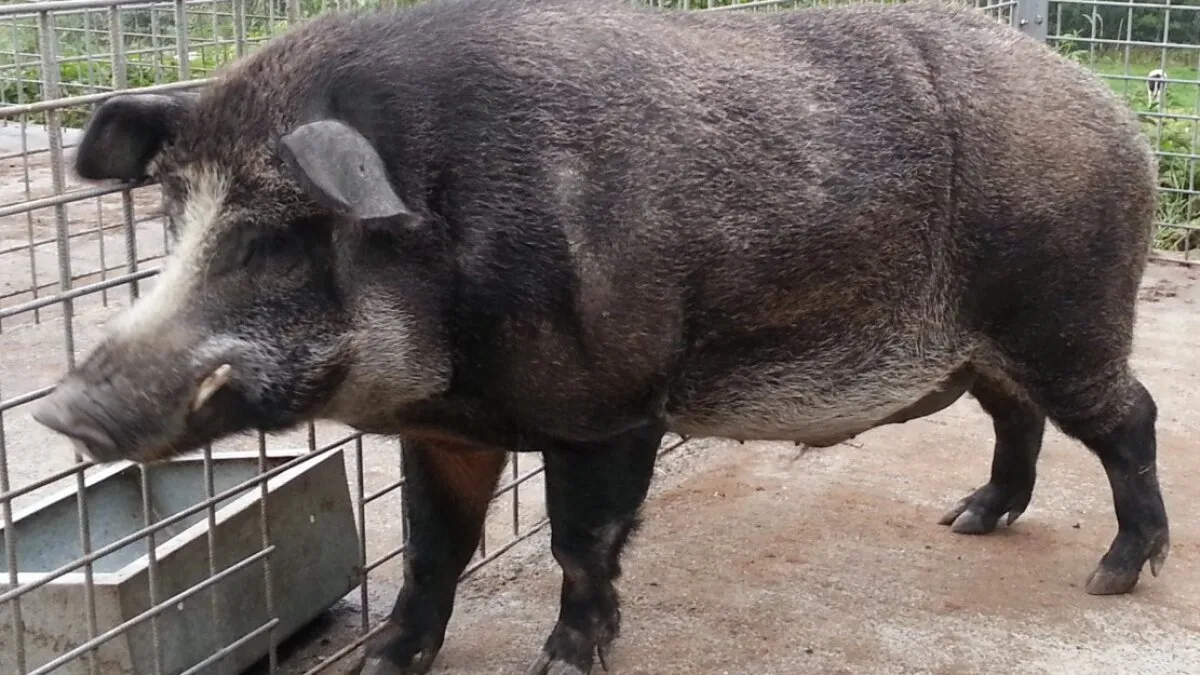
After the 2011 Fukushima Daiichi nuclear meltdown, the evacuation zone wasn't just empty of humans; it was suddenly full of abandoned domestic pigs. These escapees, perhaps feeling a newfound freedom (and certainly not worried about radiation, at least not yet), promptly got to know their wild boar cousins. The result? A whole new generation of pig-boar hybrids.
Scientists figured this was a prime opportunity to watch large-scale hybridization unfold. They expected to see domestic pig genes stick around, maybe even boost the population with a little "hybrid vigor." Instead, ten years later, they found something far more absurd and fascinating: the pig genes from the mothers' side were practically gone, having sped up their own disappearance.
We're a new kind of news feed.
Regular news is designed to drain you. We're a non-profit built to restore you. Every story we publish is scored for impact, progress, and hope.
Start Your News DetoxThe Great Pig Vanishing Act
Professor Shingo Kaneko of Fukushima University and Donovan Anderson of Hirosaki University dove into the genetic data, comparing markers passed down from mothers only (mitochondrial DNA) with those from both parents. What they found was a genetic vanishing act. Wild boars whose mothers carried domestic pig mitochondrial DNA often had surprisingly little other pig DNA left in their system. It was like their moms were domestic, but the rest of their genetic family tree had already gone full wild boar.
The culprit? Speed. Pure, unadulterated reproductive velocity.
When Moms Go Turbo
See, domestic pigs are basically baby-making machines, breeding multiple times a year. Wild boars, by comparison, are a bit more chill, usually sticking to a single annual litter. If those escaped female pigs and their daughters kept up the domestic pace, it meant more litters, more generations, and more opportunities for pig DNA to get diluted with every subsequent wild boar hookup.
And that's exactly what happened. Within a few years, many of these hybrids were already several generations removed from the initial cross. Individuals carrying that tell-tale pig maternal DNA were often five or more generations past the first hybridization, suggesting reproduction was happening at warp speed. The maternal pig lineage, it seems, was shuffling the genetic deck at double time.
While Fukushima presented a unique lab — a massive, unplanned experiment in animal rewilding — the underlying biology is universal. When our domesticated critters escape and hook up with their wild relatives, those fast-breeding maternal lines could be quietly rewriting the genetic code of wild populations everywhere, even if the domestic genes themselves don't stick around.
So, even if the genetic signs of domestic ancestry fade, the reproductive cycle can briefly change a population's entire trajectory. It's a reminder that sometimes, the most profound changes in nature aren't about who survives, but about who gets busy, and how often.