Teeth are the skeleton's time capsules. Long after everything else crumbles, they survive — which is why anthropologists have spent a century reading them like a diary. But a new study suggests we've been misinterpreting some of the most important entries.
Researchers analyzed over 500 teeth from 27 primate species, both living and extinct, looking for tiny grooves and lesions that tell stories about diet, behavior, and health. What they found rewrites assumptions we've held since the early 1900s about what our teeth can tell us.
The grooves we thought we understood
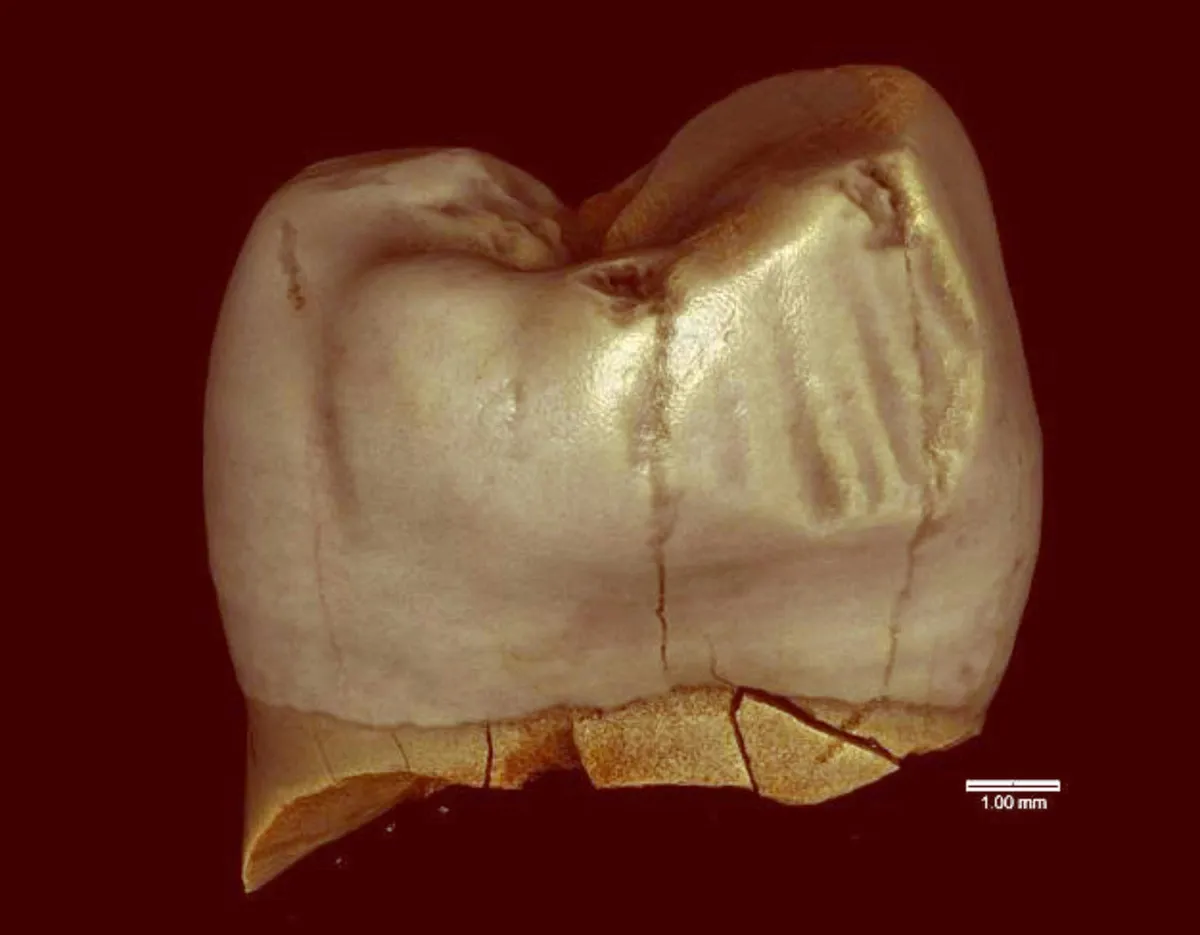
For more than a century, anthropologists spotted thin grooves running across the roots of fossil human teeth — especially between teeth. They labeled them "toothpick grooves" and interpreted them as evidence of tool use or deliberate dental hygiene. The marks appeared consistently across 2 million years of human evolution, from ancient hominins through Neanderthals. It seemed like a clear window into our ancestors' behavior.
We're a new kind of news feed.
Regular news is designed to drain you. We're a non-profit built to restore you. Every story we publish is scored for impact, progress, and hope.
Start Your News DetoxBut no one had actually checked whether other primates made the same marks naturally.
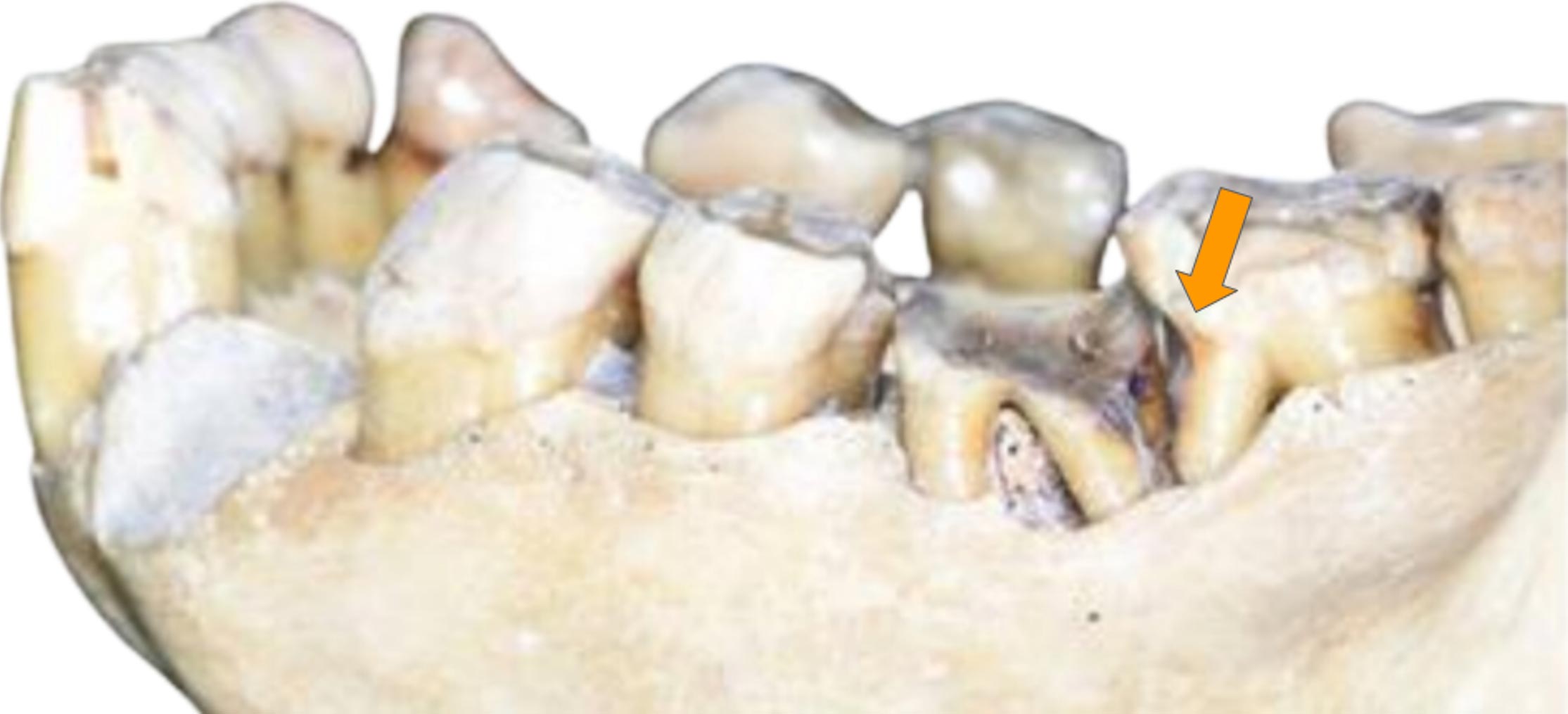
When researchers examined wild primate teeth — gorillas, orangutans, macaques, fossil apes — they found similar grooves in about 4% of individuals. Some looked almost identical to the human "toothpick" marks, complete with fine parallel scratches. Others were shallower and smoother, likely from acidic fruits that primates eat in large amounts. The point: these grooves weren't unique to humans, and they didn't necessarily mean tool use. Natural chewing, abrasive foods, even swallowed grit could produce the same pattern.
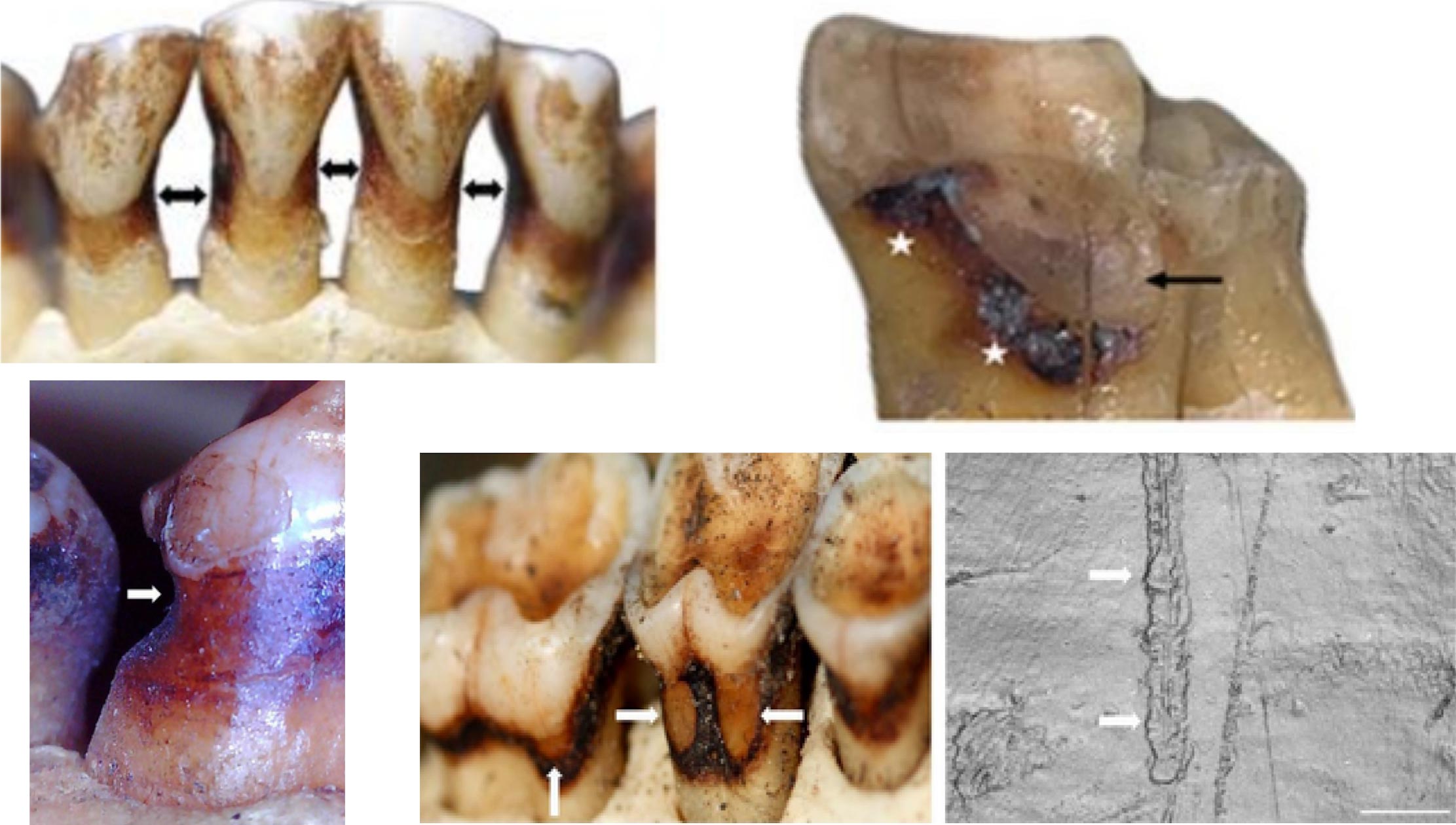
This doesn't erase the grooves from the fossil record — it just complicates the story in a way that makes it more honest. We need to be careful about assuming every groove means deliberate behavior. Sometimes a groove is just what happens when you chew.
The absence that tells everything
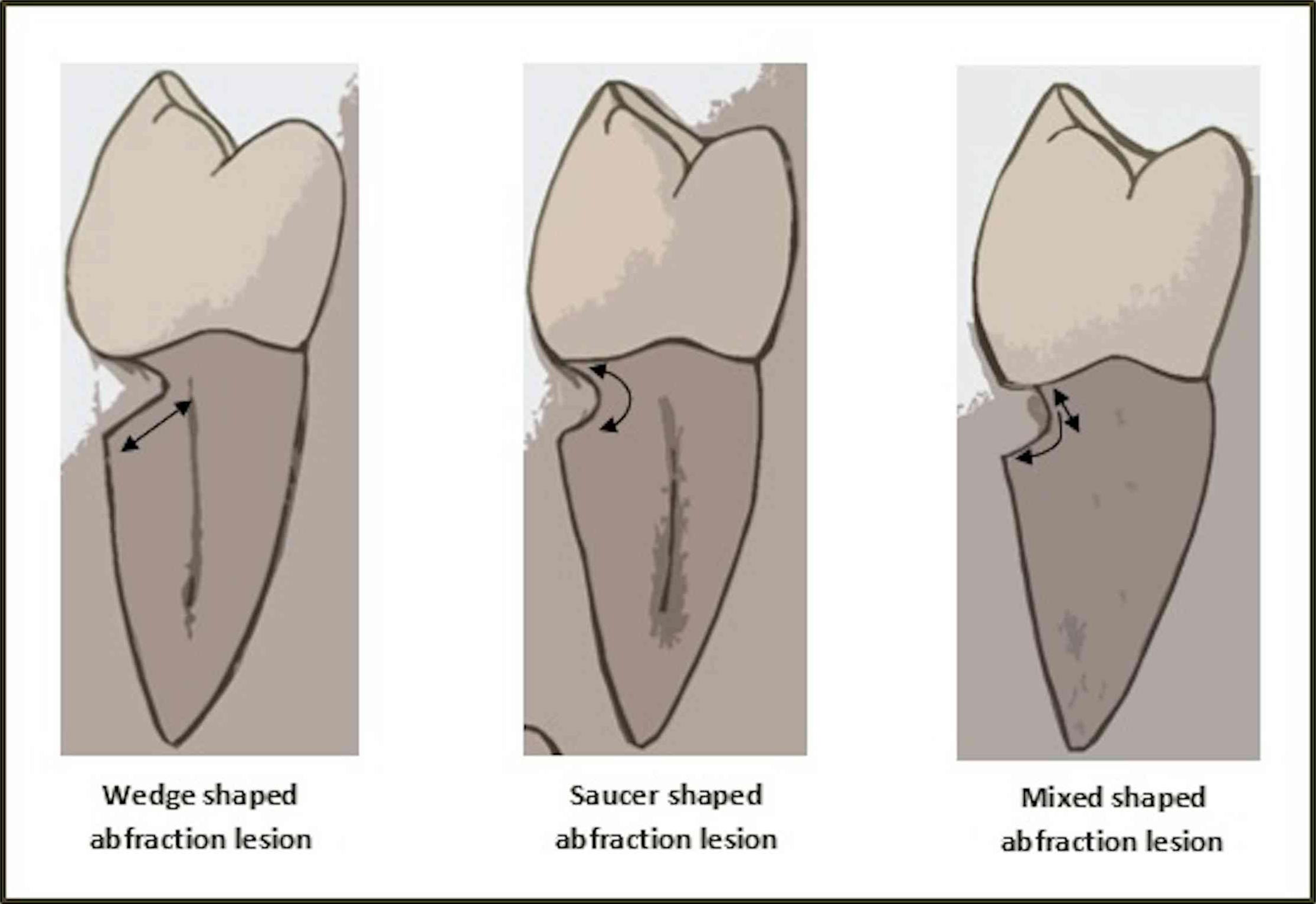
But there was one finding that stood out precisely because it wasn't there. The researchers found zero abfraction lesions — those deep, wedge-shaped notches near the gumline that modern dentists see constantly. They looked at primates with incredibly tough diets and powerful jaws. Nothing.
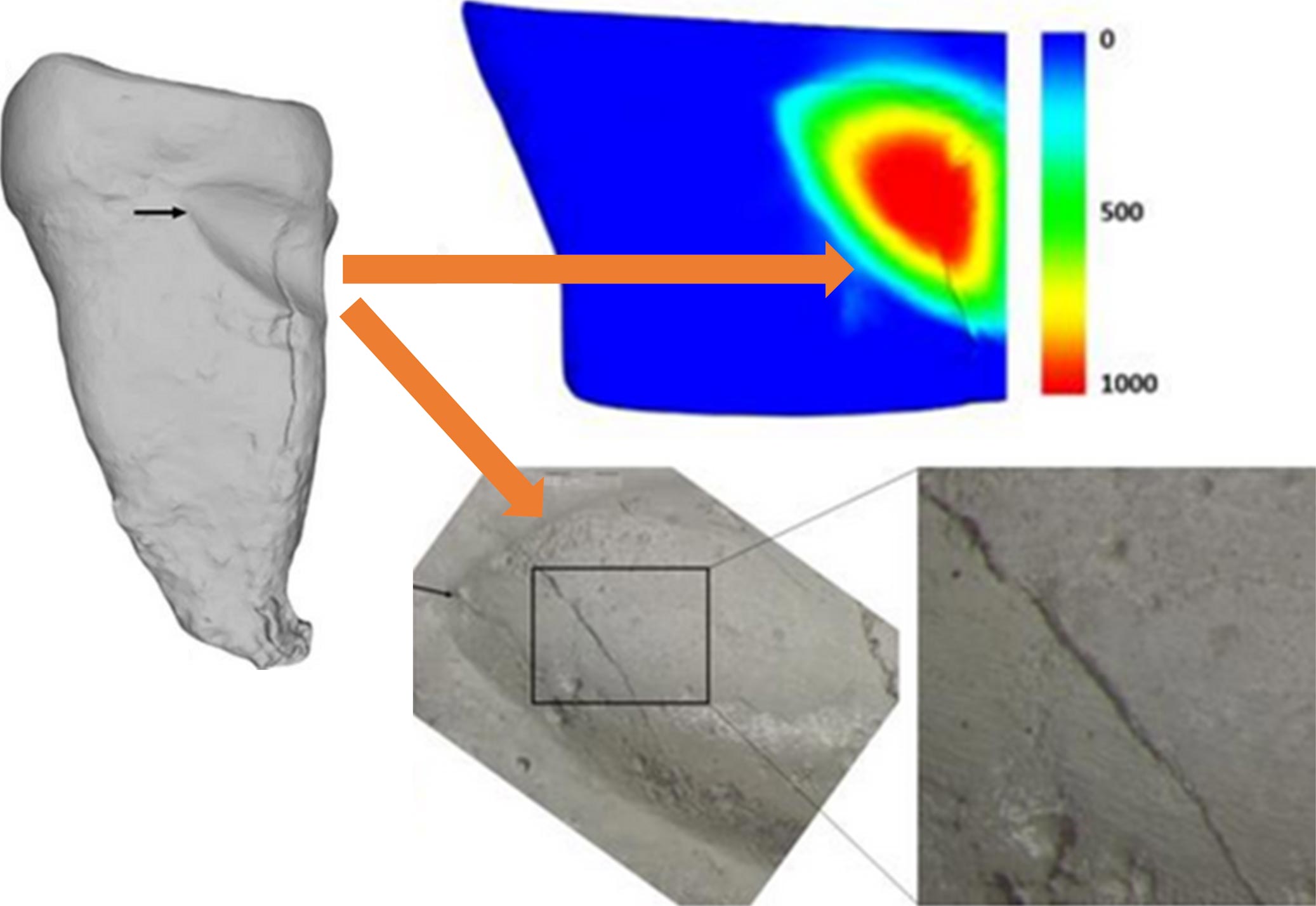
Abfraction is common enough in human dental clinics that it's practically routine. We've always assumed it was just what happens when you chew hard. But wild primates chew much harder than we do, and they don't get these lesions. That absence is telling: abfraction appears to be a uniquely human problem, born from our modern habits — forceful brushing, acidic drinks, processed diets — rather than from chewing itself.
It joins a growing list of dental issues that are rare or nonexistent in wild primates but common in humans: impacted wisdom teeth, misaligned teeth, decay patterns that don't match wild diets. Each one is a small marker of how profoundly our modern lives have reshaped our bodies.
What this means for how we read the past
This research is part of a growing field called evolutionary dentistry — using what we know about wild primates to understand which of our dental problems are inevitable and which are choices we've made. It's a reminder that even something as mundane as a toothache has an evolutionary story behind it.
For anthropologists, it means we need larger datasets of wild primate teeth before we confidently interpret every groove in a fossil as evidence of behavior. For the rest of us, it's a quieter lesson: some of our most common health problems aren't written into our biology. They're written into our habits. And that means they're not inevitable.
Reference: "Non-Carious Cervical Lesions in Wild Primates: Implications for Understanding Toothpick Grooves and Abfraction Lesions" - DOI: 10.1002/ajpa.70132