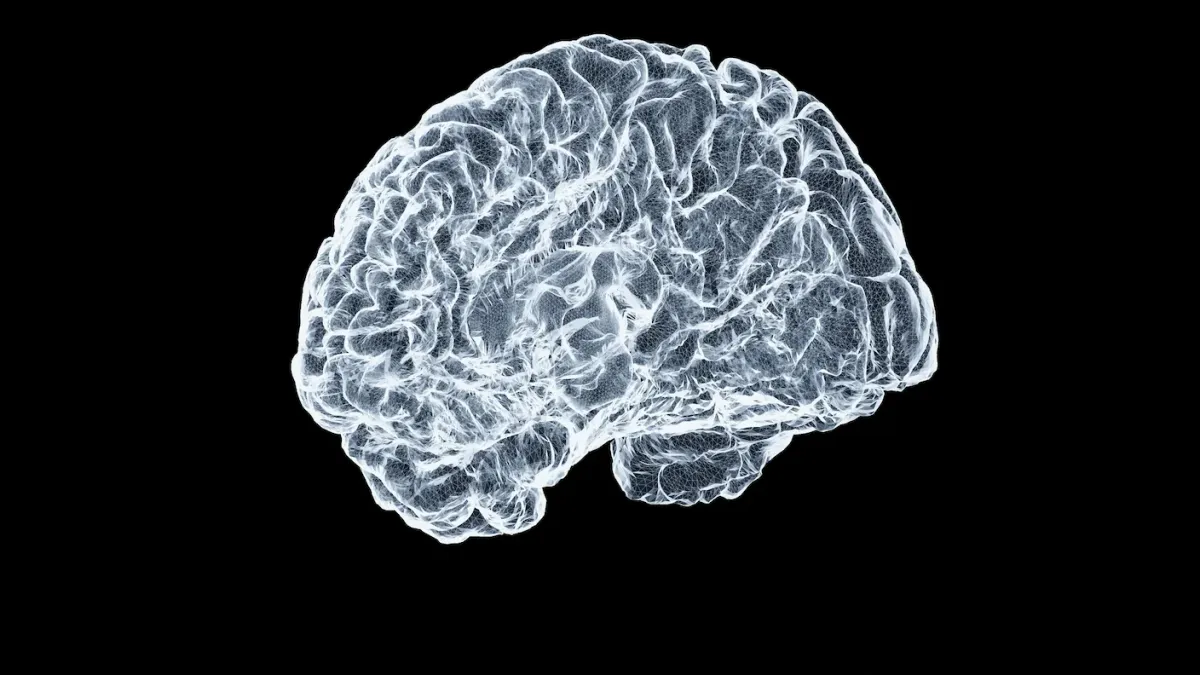
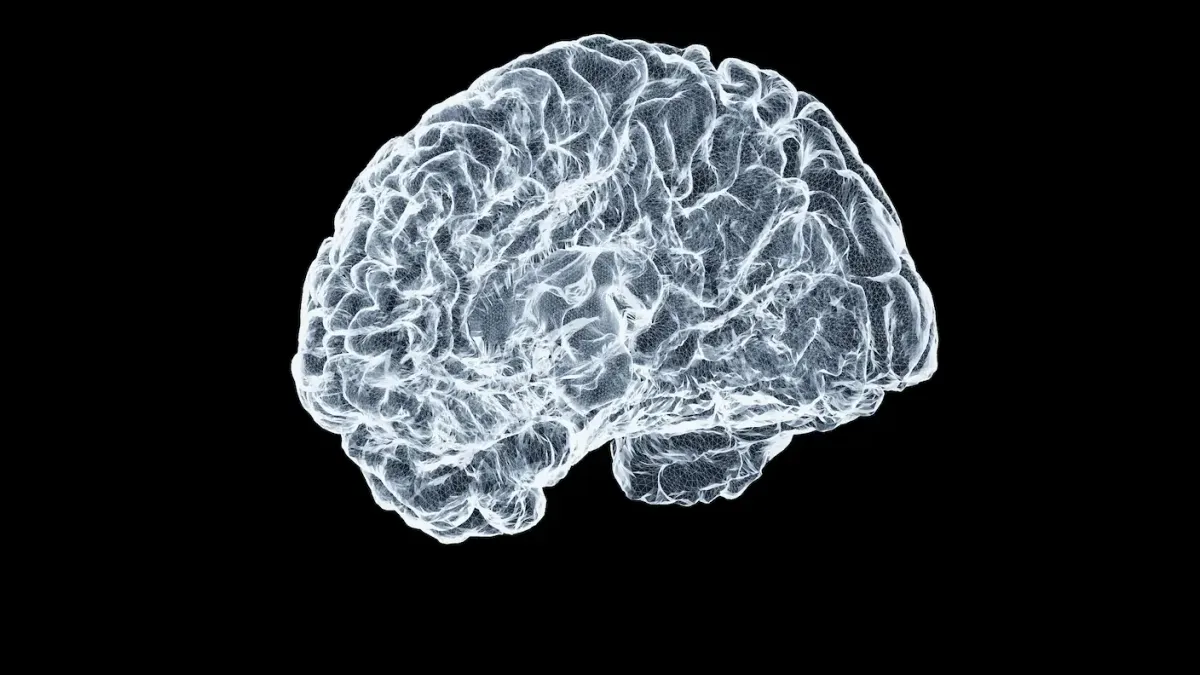
Imagine hitting pause on a brain, then pressing play a week later. Scientists just did something pretty wild: they deep-froze slices of mouse brain, thawed them out, and watched them wake up and start firing again.
These tiny brain pieces, from an area called the hippocampus (super important for memory!), were frozen solid, almost like glass. After being gently warmed, their neurons — the brain's tiny wires — lit up, boosted their energy, and even adjusted their connections. That's a huge deal, because it's how our brains actually form and recall memories.
The Cool Trick: No Ice Allowed
Normally, freezing tissue means nasty ice crystals form, which basically shred delicate brain cells. That would make recovering any memories impossible. But researchers at the University of Erlangen-Nuremberg used a clever method called vitrification.
We're a new kind of news feed.
Regular news is designed to drain you. We're a non-profit built to restore you. Every story we publish is scored for impact, progress, and hope.
Start Your News DetoxThink of it like this: instead of letting water turn into sharp ice, they cooled the tissue so fast it just froze into a glassy, non-damaging state. An improved thawing process also kept harmful chemicals away from the cells.
Both pre-sliced and even whole mouse brains survived this treatment. While they're not fully reviving brains like in a sci-fi movie (yet!), this pushes the boundaries of what brain tissue can handle. It hints that the brain is tougher than we thought.
For decades, the idea of "cryosleep" — freezing someone to revive them later — has been pure science fiction. But this new work shows that even a super sensitive organ like the brain can endure a deep freeze and still restart some basic functions. It’s a step toward understanding how to pause life and perhaps, one day, restart it.
This isn't just about sci-fi dreams. It could lead to better ways to preserve organs for transplants, keeping them viable for much longer. Imagine a liver or kidney staying fresh for months instead of hours. The fact that brain cells can come back to life after being essentially shut down is seriously cool, and it opens up a whole new world of possibilities.