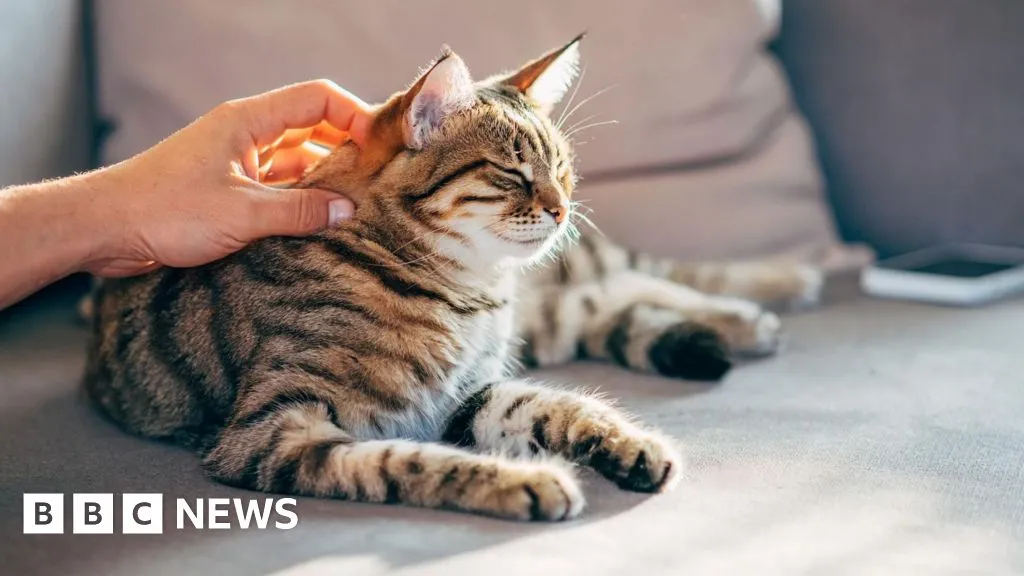
Cancer kills more cats than almost any other disease. Yet until now, almost nobody has studied what actually happens inside a cat's tumor at the genetic level. That changed when researchers analyzed DNA from nearly 500 domestic cats with cancer and discovered something striking: the mutations driving feline tumors look remarkably like the ones in humans.
"Cat cancer genetics has totally been a black box up until now," said Dr. Louise Van der Wayden, who led the study. "The more we can understand about cancer in any species has got to be beneficial for everybody."
The findings, published in Science, suggest that cats and humans share fundamental biological processes that allow cancer to take hold and spread. This isn't just academic curiosity — it opens a practical door. Cats develop triple negative breast cancer, an aggressive subtype, far more frequently than humans do. That means researchers now have access to real-world samples and natural variation in how the disease progresses. The genetic insights could point toward treatments that work for both species.
We're a new kind of news feed.
Regular news is designed to drain you. We're a non-profit built to restore you. Every story we publish is scored for impact, progress, and hope.
Start Your News DetoxWhy cats matter for human medicine
About one in four UK households owns a cat, making them nearly as common as dogs. But while dog cancer has been extensively studied, cats have been largely ignored in research. The oversight meant missing a valuable window into disease biology.
What makes this particularly useful: cats live in our homes, breathe our air, eat our food. They're exposed to the same environmental factors we are. By comparing how cancer develops in cats versus humans living in the same household, scientists can start teasing apart which risk factors come from genetics and which come from the world around us. That distinction could reshape how we think about prevention.
"This can help us understand more about why cancer develops in cats and humans, how the world around us influences cancer risk, and possibly find new ways to prevent and treat it," said Prof. Geoffrey Wood of the Ontario Veterinary College in Canada.
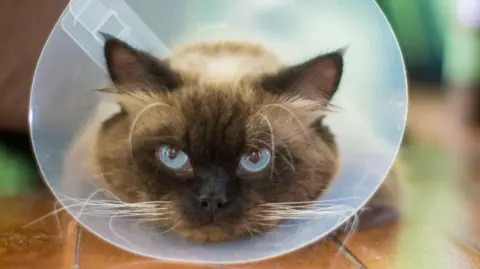
The research opens a new chapter in comparative oncology — the field that uses one species' disease to understand another's. For the millions of cat owners watching their pets battle cancer, it's a reminder that this suffering isn't invisible to science anymore. The next phase is translating these genetic insights into actual medicines, a process that typically takes years but now has a clearer map to follow.