A team at Hebrew University has traced a specific biochemical pathway that appears to go awry in certain cases of autism spectrum disorder—and found ways to interrupt it in the lab.
The discovery centers on a tiny molecule called nitric oxide, which normally helps brain cells communicate. In some people with autism, this molecule appears to trigger a domino effect: it modifies a protein called TSC2, which usually acts as a brake on cell growth. Without that brake, a cellular control system called mTOR spirals into overdrive, disrupting how neurons function and talk to each other.
"Autism is not one condition with one cause, and we don't expect one pathway to explain every case," says Prof. Haitham Amal, who led the research published in Molecular Psychiatry. "But by identifying a clearer chain of events, we hope to provide a more precise map for future research."
We're a new kind of news feed.
Regular news is designed to drain you. We're a non-profit built to restore you. Every story we publish is scored for impact, progress, and hope.
Start Your News DetoxThe Molecular Domino Effect
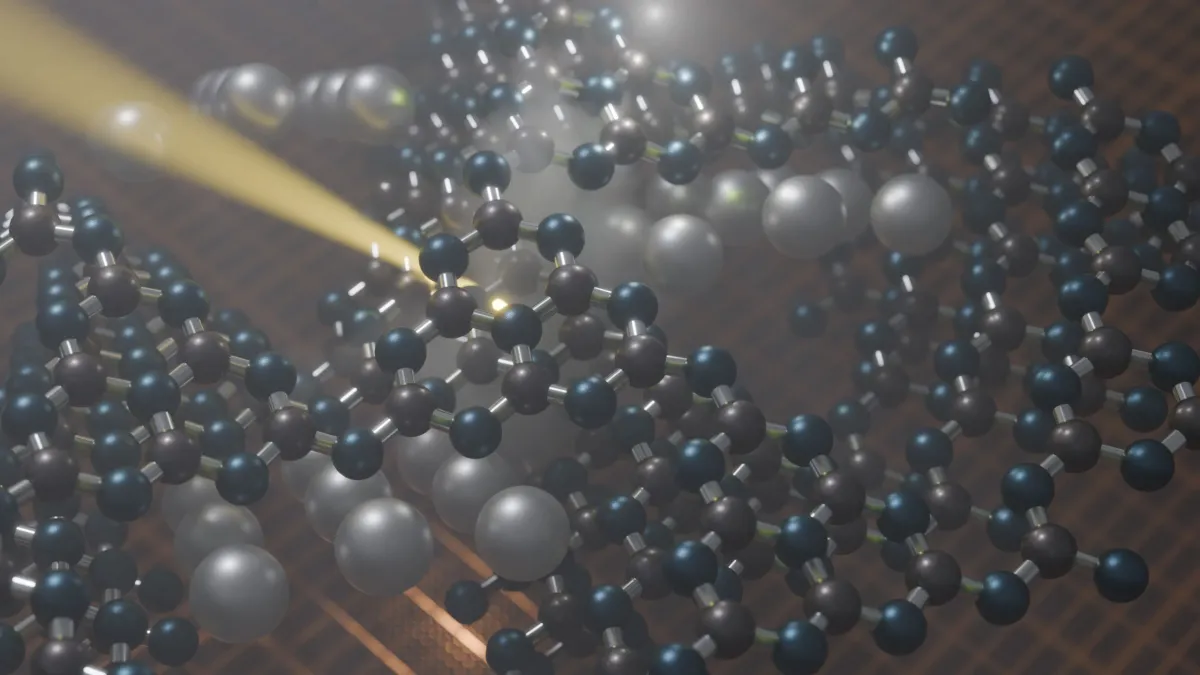
The research team, including PhD student Shashank Ojha, focused on a process called S-nitrosylation—essentially, nitric oxide attaching to proteins and changing how they work. Using detailed protein analysis, they discovered that many proteins involved in cell growth were being modified this way. When they looked at TSC2 specifically, they found that nitric oxide was marking it for removal from the cell. As TSC2 disappeared, mTOR activity climbed unchecked.
This matters because mTOR controls protein production and other fundamental cellular housekeeping. When it runs too fast, neurons can't function properly—a pattern that matches what researchers see in autism.
What makes this finding actionable is that the pathway can be reversed. When the team reduced nitric oxide signaling in lab neurons, TSC2 stayed put, mTOR calmed down, and cellular measures of autism-related effects improved. They also engineered a modified TSC2 protein that resisted nitric oxide's grip, achieving similar results.
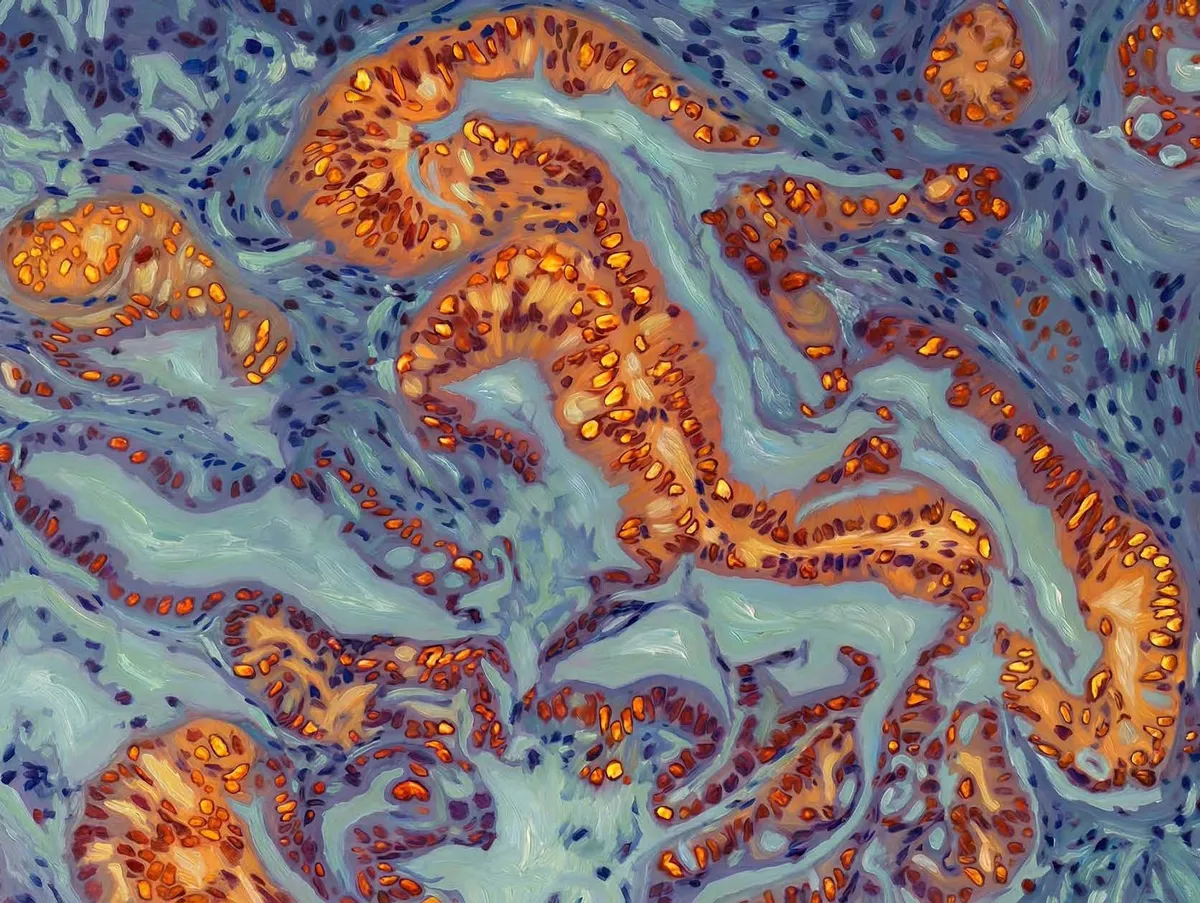
The researchers then tested their theory against real tissue samples from children with autism—both those with known genetic mutations (SHANK3) and those with idiopathic autism, where no single genetic cause is identified. In both groups, they found the same pattern: low TSC2 levels and overactive mTOR signaling.
Why This Matters Beyond the Lab
This work fills a gap that's been nagging neuroscientists for years. Researchers have suspected for a while that mTOR dysregulation plays a role in autism, but nobody had clearly mapped how it gets dysregulated. A chain of causation—nitric oxide → TSC2 damage → mTOR overactivity—gives researchers a specific target to aim at.
That's the difference between knowing a problem exists and knowing where to intervene. It opens the door to developing nitric oxide inhibitors as potential tools, not just for understanding autism but for future treatment approaches. And because the pathway works similarly across different genetic backgrounds, a single intervention might help multiple subgroups of people on the autism spectrum.
The broader context matters too: autism spectrum disorder affects roughly 1 in 36 children in the US, with wide variation in how it presents. The old model—one gene, one cause, one treatment—has never fit. This research suggests that even within the complexity, there are identifiable mechanical sequences we can learn to recognize and potentially modify.
The next phase will involve testing whether nitric oxide inhibitors actually work in living systems, and whether they help restore normal brain function without unwanted side effects. That's still months or years away. But for the first time, researchers have a precise molecular address to work from.