A new meteor shower has been found, pointing to an asteroid breaking apart near the Sun. This discovery helps scientists find hidden asteroids and understand how objects in space crumble.
Scientists use global camera networks to study meteors. This helps them learn how dust and debris from comets and asteroids move and change in our solar system. A 2026 study found a new meteor cluster. It likely came from an asteroid breaking up due to intense solar heat. This gives us clues about hidden near-Earth objects and how to protect our planet.
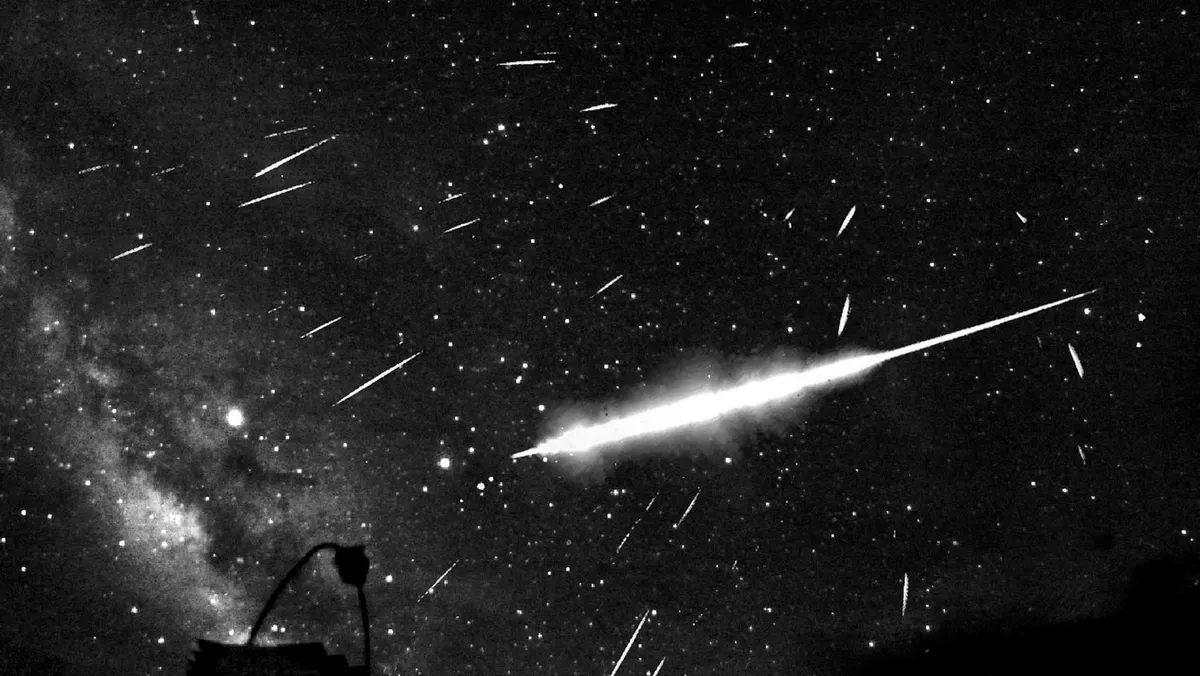
Every night, thousands of automated cameras around the world photograph shooting stars. Scientists study these meteors. While big asteroids that could hit Earth get a lot of attention, the small dust and rubble entering our atmosphere daily also tell an important story.
We're a new kind of news feed.
Regular news is designed to drain you. We're a non-profit built to restore you. Every story we publish is scored for impact, progress, and hope.
Start Your News DetoxPlanetary scientists use these camera observations to better understand dust, car-sized asteroids, and comet debris in our solar system.
A New Meteor Cluster Discovered
In a study published in March 2026, a scientist searched through millions of meteor observations. These came from camera networks in Canada, Japan, California, and Europe. The search revealed a small, recently formed cluster of 282 meteors. These meteors suggest an asteroid got too close to the Sun.
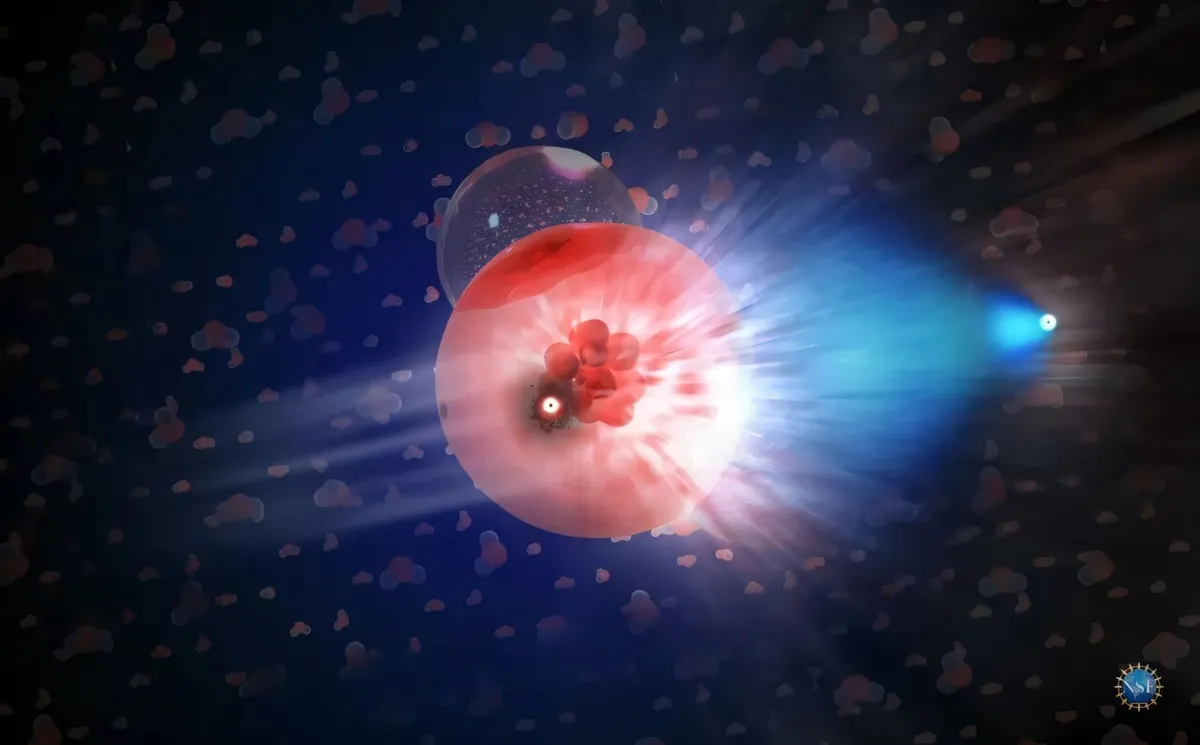
When a piece of space rock the size of a grain of sand hits our atmosphere, it heats up very quickly. Its surface vaporizes, turning into an electrically charged gas. The whole fragment then glows, which is what we call a meteor. If the object is larger, like a boulder, and brighter, it's called a bolide or a fireball. These objects typically enter our atmosphere at over 15 miles per second.
Small dust or sand-sized objects disappear completely in a fraction of a second.
Most of these tiny fragments in the solar system come from comets. Comets are cold, icy objects from the outer parts of the solar system. As they pass the Sun, their ice turns to gas, releasing tons of dust. This is why comets are often called "dirty snowballs" and look fuzzy through telescopes.
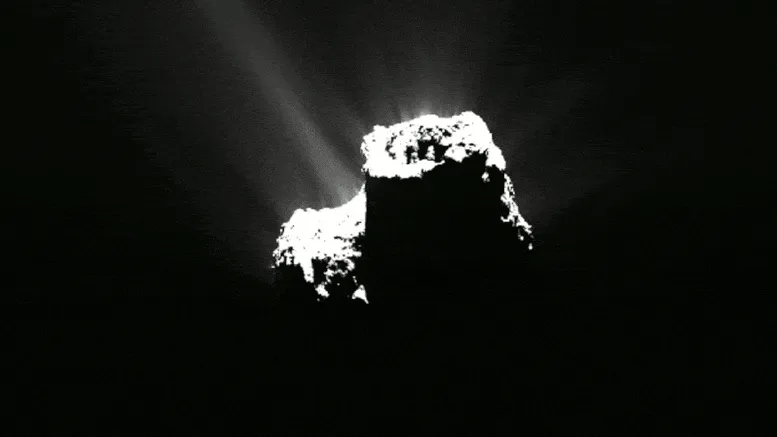
Comets vs. Asteroids: What's the Difference?
Asteroids are rocky leftovers from the early solar system that formed closer to the Sun. They are dry and don't have the ice that gives comets their tails.
Astronomers say an asteroid or comet is "active" when it sheds dust, gas, or larger pieces. This activity happens because of an outside force, like heat from the Sun, a small impact, or when asteroids spin too fast and break apart.
Understanding this activity helps scientists learn how these objects change over time.
For comets, the main reason for activity is sublimation, where solid ice turns directly into gas. But for asteroids, the reasons can vary. For example, NASA's OSIRIS-REx mission saw activity on asteroid Bennu's surface. Heat stress and small impacts are thought to be the causes.
Other reasons for asteroid activity include breaking up from spinning too fast, tidal forces from close encounters with a planet, or gas release.
Finding Activity Through Meteor Showers
Researchers often look for activity using telescopes. They search for a "tail" or fuzziness around an object, which signals gas and dust. But meteor showers offer another way to find activity.
The most famous active asteroid is 3200 Phaethon. It's the source of the Geminid meteor shower, which happens every December. In the past, when Phaethon came close to the Sun, it released a lot of dust and larger fragments. These pieces have spread along its orbit, creating the Geminid meteor stream we see today.
Every meteor shower occurs when Earth passes through one of these debris streams. So, detecting meteor showers can help astronomers find active objects in space.
How Meteor Streams Form
When an asteroid or comet first sheds debris, the pieces travel close together. Imagine a drop of food dye in a moving stream of water. At first, the dye stays in a tight cloud. But as the water flows, currents pull at the dye, making it spread out and fade.
In space, the gravity from passing planets acts like these currents. They pull on individual meteor fragments in slightly different ways. This causes the once-tight stream to gradually spread out until it mixes with the background dust of our solar system.
In a March 2026 study in The Astrophysical Journal, a scientist used millions of meteor observations to look for new, unknown activity from asteroids near Earth. They found one clear cluster of 282 meteors.
What the New Meteor Stream Tells Us
This discovery is exciting because it's like watching a hidden asteroid being "baked to bits." This new meteor stream follows an extreme orbit, getting almost five times closer to the Sun than Earth does.
By studying how these meteors break apart in our atmosphere, scientists can tell they are moderately fragile, but tougher than comet material. This suggests that intense solar heat is cracking the asteroid's surface. This heat bakes out trapped gases and causes the asteroid to crumble. This process likely explains much of Phaethon's past activity and why meteorites on Earth are so diverse.
Finding a hidden, crumbling asteroid matters because meteor observations are a sensitive way to study objects invisible to traditional telescopes.
Importance for Planetary Science and Defense
Analyzing this debris helps us understand how asteroids and comets physically change in our solar system. More importantly, it reveals hidden groups of near-Earth asteroids. This information is crucial for planetary defense.
The parent asteroid of this new meteor shower is still unknown. However, NASA's NEO Surveyor mission, launching in 2027, could find it. This space telescope is designed to find dark, hazardous asteroids that approach the Sun. It will be the perfect tool to search for the shower's origin.
Deep Dive & References
Asteroidal Activity among Meteor Datasets: Confirmed New “Rock-comet” Stream and Search for a Tidal-disruption Signature - The Astrophysical Journal, 2026