A compound found in sea squirts is showing promise in fighting age-related decline. Early animal studies suggest it could improve brain function and physical signs of aging. This raises questions about how broadly its effects might reach.
Scientists are looking into this unusual compound to understand how it affects the aging process in the body and brain.
The idea of a "Fountain of Youth" is a myth, but scientists are actively searching for ways to slow aging. A new study points to an unexpected source: sea squirts. Researchers found that compounds from these ocean creatures can reverse several key signs of aging in animals.
We're a new kind of news feed.
Regular news is designed to drain you. We're a non-profit built to restore you. Every story we publish is scored for impact, progress, and hope.
Start Your News DetoxSea Squirts and Anti-Aging
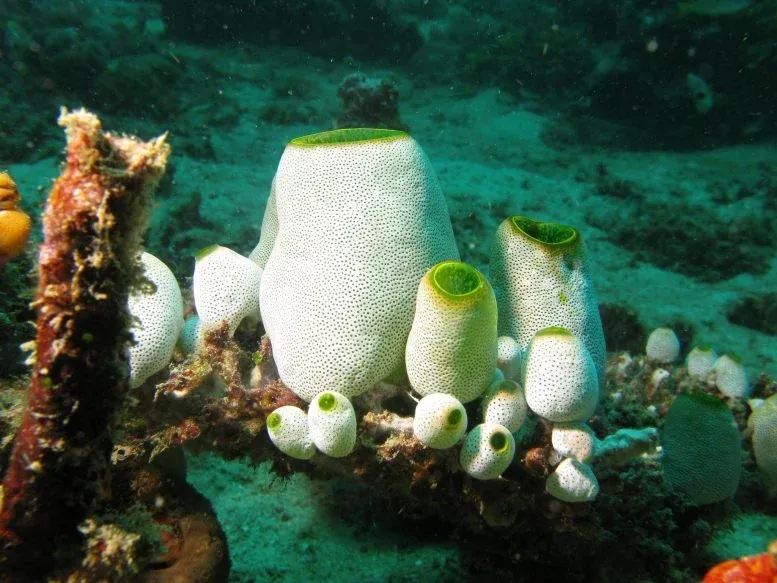
In a recent study, scientists from several universities, including Xi’an Jiaotong-Liverpool University and Stanford University, tested compounds called plasmalogens. These are found in abundance in sea squirts, which are ocean-dwelling invertebrates.
Plasmalogens are not new to the human body. About one in five phospholipids in human tissues are plasmalogens. They are especially common in the brain, heart, and immune cells. However, their levels drop as people age. They are also lower in those with neurodegenerative diseases like Alzheimer’s and Parkinson’s.
To see if boosting plasmalogen levels could reverse age-related changes, researchers conducted a two-month study. They gave daily doses of plasmalogens to older female mice, similar in age to humans in late middle age. The results showed clear and significant improvements.
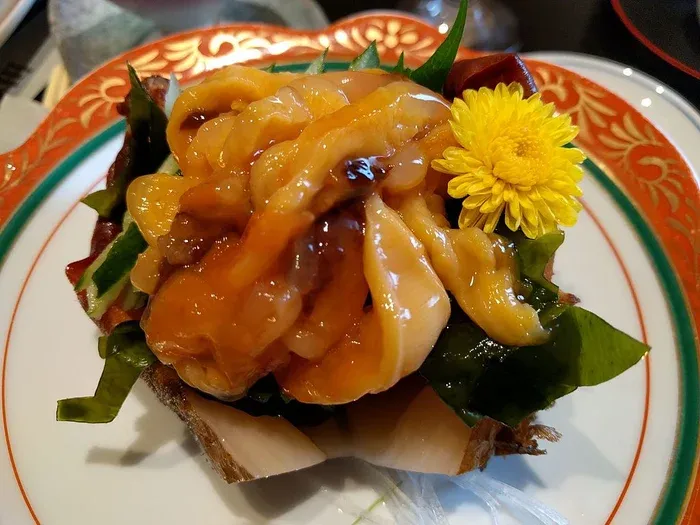
Sea squirts are already a traditional food in Korea, where they are called meongge, and in Japan, where they are known as hoya. People typically eat them raw.
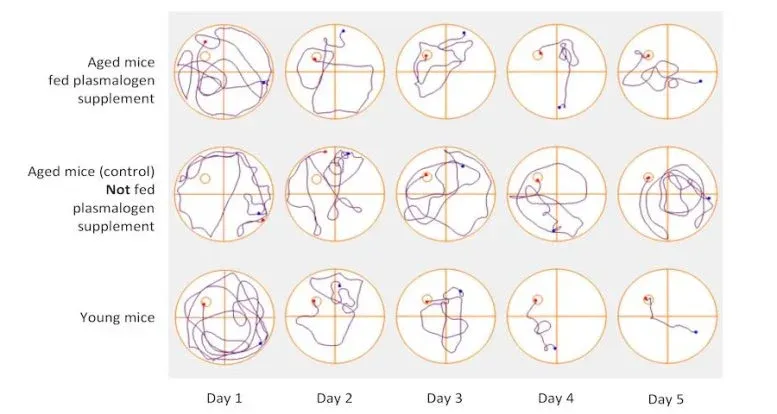
Mice given the supplements performed much better on memory and learning tests. They also showed noticeable physical changes, such as thicker, darker, and shinier fur. This suggests the effects went beyond just the brain.
Professor Lei Fu, a lead author of the study, noted that plasmalogens might not only stop cognitive decline but could also reverse brain impairments in aging. He added that older mice given plasmalogens grew new black hair that was thicker and shinier.
Rewiring the Aging Brain
Researchers measured cognitive improvements using the Morris water maze. This test checks spatial learning. Mice must remember where a hidden platform is in a pool. Older mice usually struggle, taking longer to find it. After getting the supplement, treated mice navigated the maze much more efficiently, acting more like younger animals.
When scientists looked at brain tissue, they found a clear reason for the improvements. Aging often leads to a loss of synapses, which are the connections between neurons. These connections are vital for memory and processing information. In the treated mice, synapse loss was reduced, and new synapses were forming. High-resolution imaging showed more synaptic vesicles and healthier neural connections in the hippocampus, a brain area important for memory.
The team also confirmed these findings at a molecular level. Genes and proteins involved in synaptic plasticity and neurogenesis (the creation of new neurons) were much more active in mice that received plasmalogens. This means the brain was not just keeping existing connections but rebuilding its network.
Another important discovery involved inflammation. As the brain ages, immune cells called microglia can become too active, causing chronic inflammation that harms neurons. The study found that plasmalogen treatment reduced this activation. This calmed the brain’s immune response and created a better environment for neural repair.
How Plasmalogens Work
The exact ways plasmalogens work are still being studied, but some ideas are emerging. Plasmalogens are known to affect cell membranes, making them more flexible. This flexibility is crucial for synapses, where fast signaling depends on efficient communication between neurons.
Researchers found that plasmalogens significantly increase molecules that help neurons and synapses grow and develop in the brain. This suggests plasmalogens can promote neuroregeneration. They may also make synaptic membranes more fluid and flexible, which helps transmit impulses between neurons.
There might also be a link to the gut. Scientists are increasingly finding that gut microbes can affect brain health through the gut-brain axis. Some studies show that dietary plasmalogens affect gut microorganisms. The connection between gut organisms and the brain is known to influence neurodegeneration. Plasmalogens might improve learning and memory by affecting this connection.
Growing Evidence From Recent Animal Studies
Recent animal studies have further supported the idea that dietary plasmalogens can help with aging and disease.
For example, one study in 2025 used a mouse model of age-related cognitive decline. It found that plasmalogens improved spatial memory by about 44%. They also boosted synaptic proteins in the hippocampus and reduced brain inflammation. Plasmalogens performed better than other phospholipids in cognitive and biochemical tests.
Another mouse study in 2024 looked at dilated cardiomyopathy (DCM), a heart condition. It showed that dietary alkylglycerols, which increase plasmalogen levels, restored these lipids in heart tissue. This helped reduce heart dysfunction and related problems. However, the benefits were mostly seen in male mice, where improvements were linked to healthier lipid and protein profiles.
From Ocean Life to Future Therapies
Professor Fu is confident enough in the findings to include plasmalogens in his own diet. He believes that plasmalogen supplements could be a way to stop neurodegeneration and encourage neuroregeneration. Taking plasmalogens orally might be a good strategy to improve cognitive function in older people.
It is important to remember that these results come from animal studies, and human biology is more complex. However, if similar effects are found in humans, a pill to slow aging, based on compounds from sea squirts, might become a reality.
Deep Dive & References
- Plasmalogens Eliminate Aging-Associated Synaptic Defects and Microglia-Mediated Neuroinflammation in Mice - Frontiers in Molecular Biosciences, 2022
- Mitigating effects of plasmalogens on age-related cognitive impairment - Journal of Functional Foods, 2025
- An optimized plasmalogen modulating dietary supplement provides greater protection in a male than female mouse model of dilated cardiomyopathy - Journal of Molecular and Cellular Cardiology Plus, 2024