Water: it's everywhere, it's essential, and it's been silently mocking scientists for decades with its utter refusal to behave like a normal liquid. But now, after years of head-scratching and very expensive X-ray lasers, researchers have finally cracked one of its biggest mysteries.
They've pinpointed a crucial "critical point" in supercooled water, chilling out around -63 °C and a thousand atmospheres of pressure. This isn't just a fun fact for your next dinner party; it's the key to understanding why water is such an oddball compared to its liquid brethren.
The Unruly Nature of H2O
Most stuff gets denser as it cools. Not water. It hits peak density at 4 degrees Celsius, then starts getting less dense, which is why ice floats and your pipes burst in winter. It's a bit of a rebel. Its heat capacity, its compressibility — everything goes a little sideways as it cools.
We're a new kind of news feed.
Regular news is designed to drain you. We're a non-profit built to restore you. Every story we publish is scored for impact, progress, and hope.
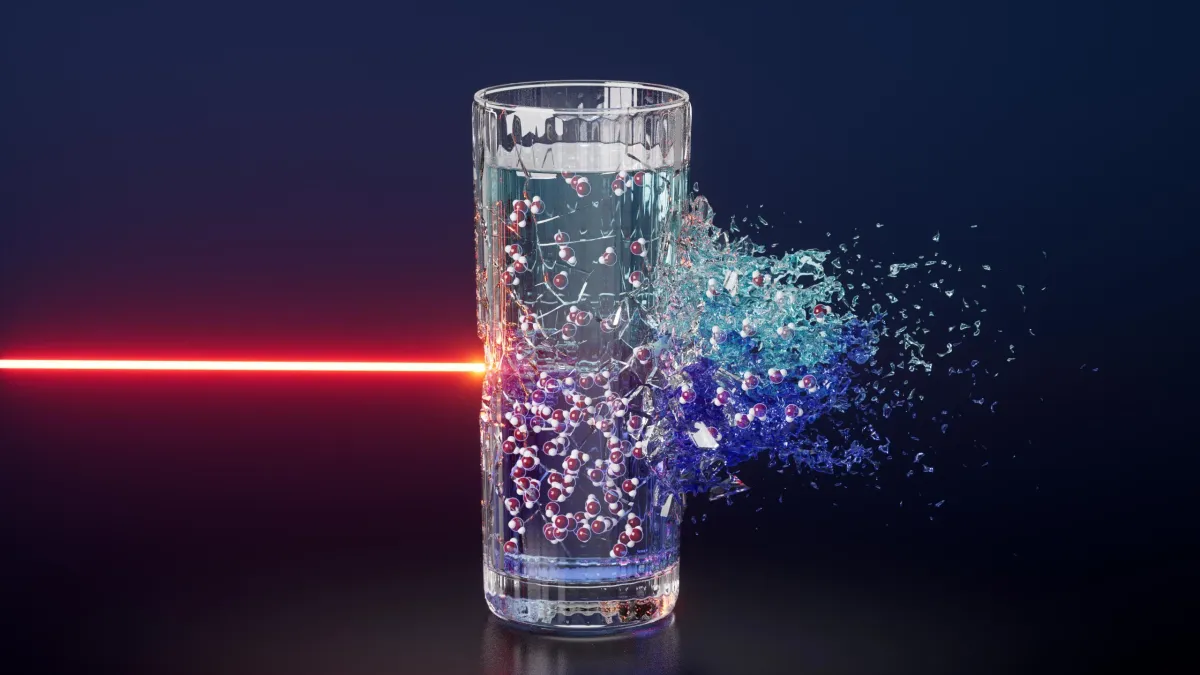
Start Your News DetoxEnter the X-ray laser. Scientists in South Korea, armed with super-fast X-ray pulses, managed to study water before it could freeze solid. This allowed them to catch a glimpse of this elusive critical point, a kind of backstage pass to water's molecular drama.
Anders Nilsson, a professor at Stockholm University, put it rather succinctly: they could "X-ray the water incredibly fast" and watch as a liquid-liquid transition vanished, giving rise to this new critical state. He added that scientists have been speculating about this for decades. Now, they've actually found it.
Turns out, water can exist in two different liquid forms at low temperatures and high pressures, each with its own molecular arrangement. As things warm up and pressure drops, these two forms merge into one at the critical point. This region is so unstable it causes water to constantly fluctuate between its two structures, even under everyday conditions. And that, dear reader, is why water is so weird. It's like a liquid having an identity crisis, all the time.
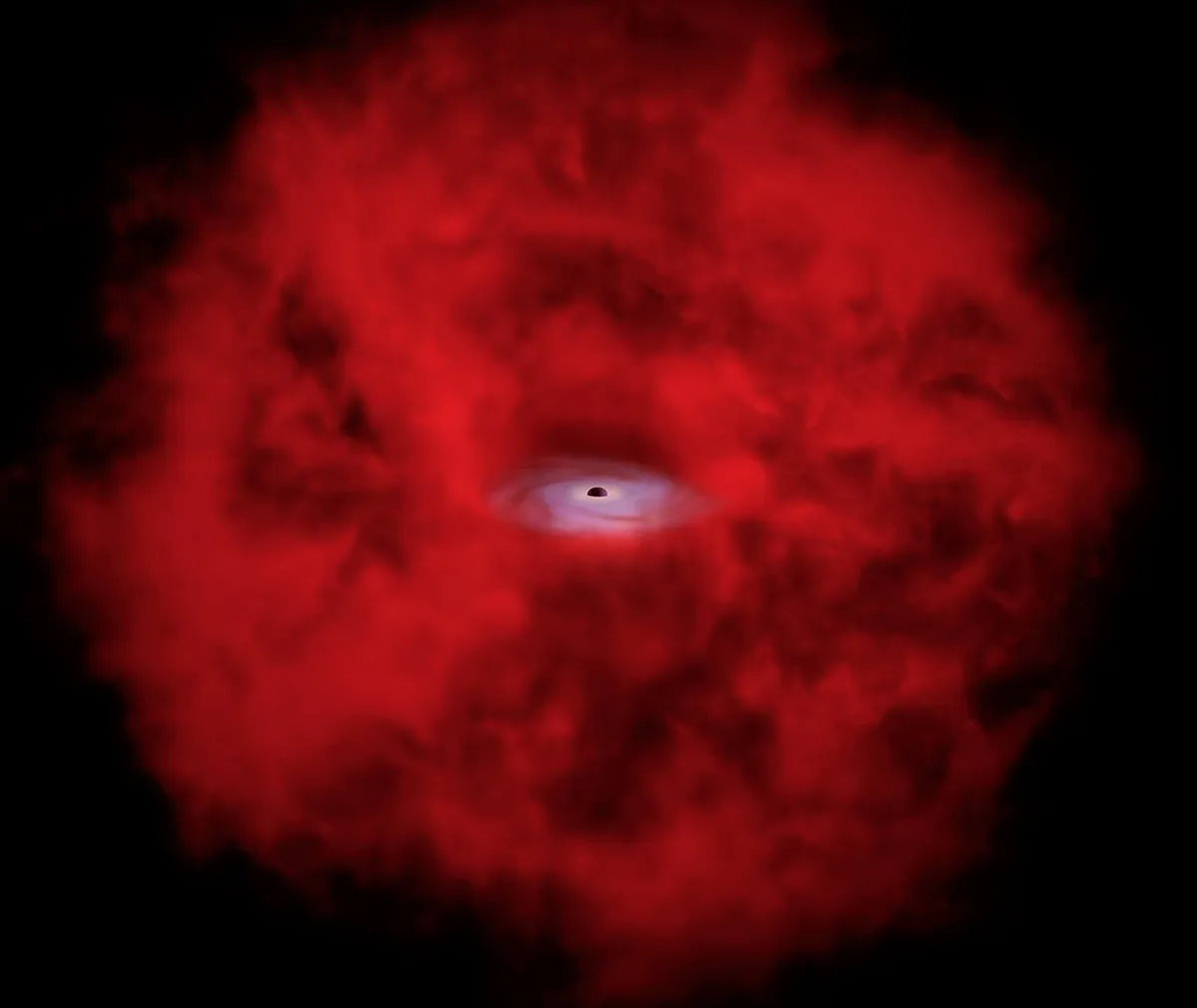
Robin Tyburski, another researcher, described the system slowing down as it neared this point, "almost like a Black Hole." Which, if you think about it, is both impressive and slightly terrifying for something we drink every day.
This discovery, published in Science, might just settle a century-old debate that dates back to Wolfgang Röntgen himself. So, the next time you see an ice cube floating in your drink, you can nod knowingly, aware of the two-faced liquid drama unfolding beneath the surface, all thanks to some very patient scientists and their high-tech lasers.