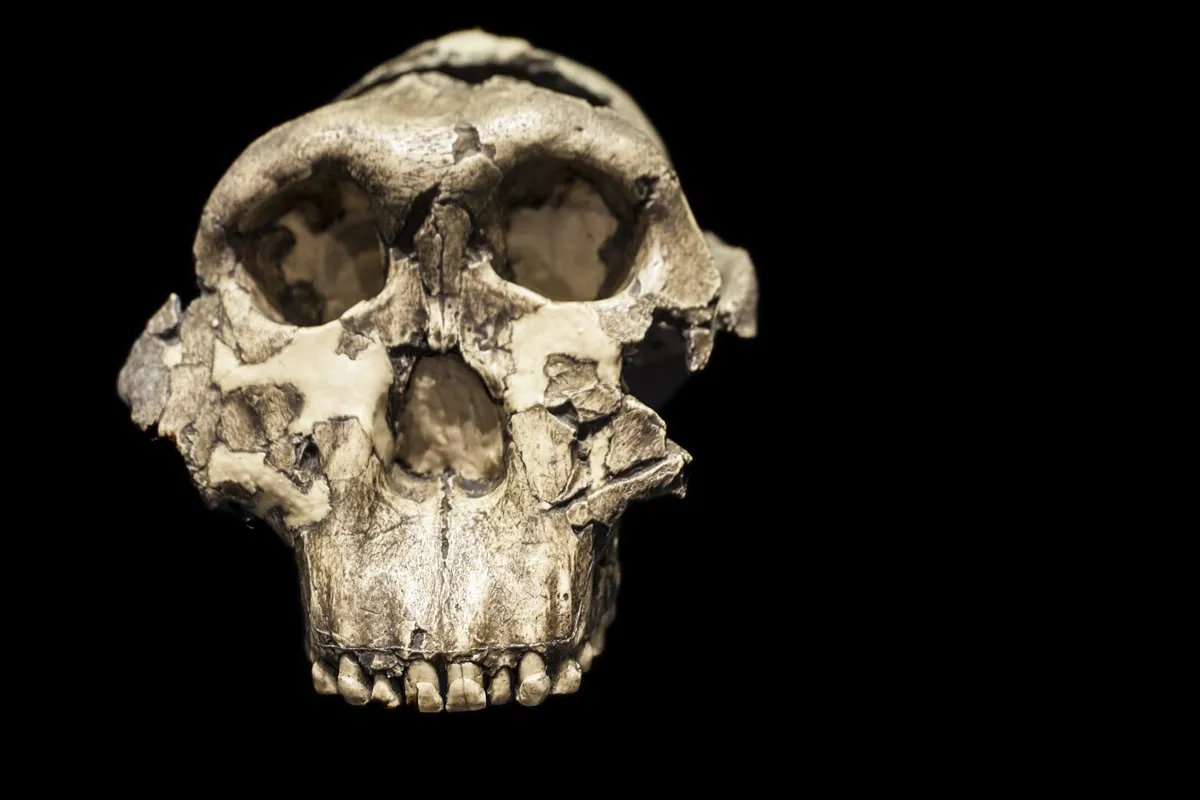
A single piece of bone, 2.6 million years old, just upended what scientists thought they knew about one of our evolutionary relatives.
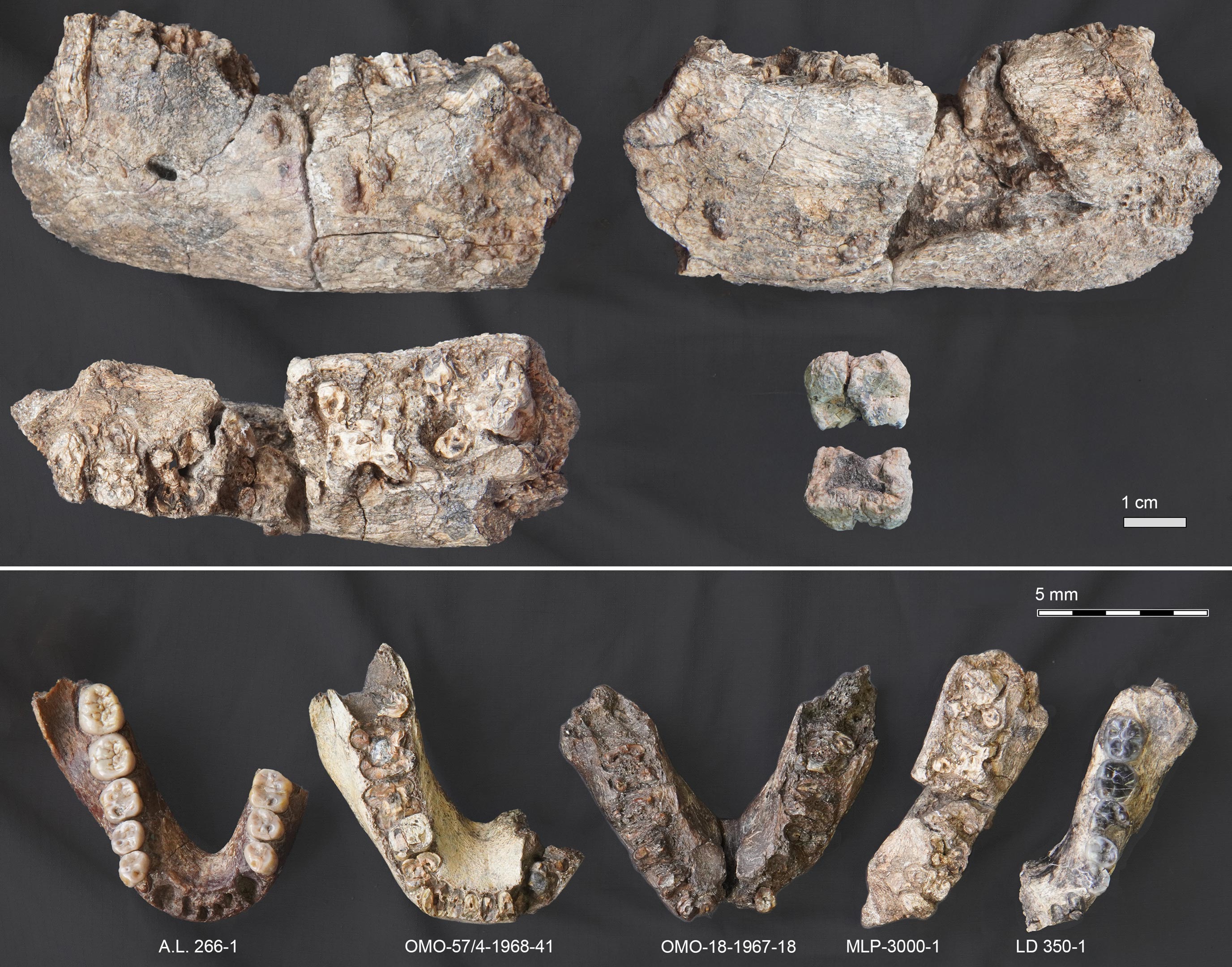
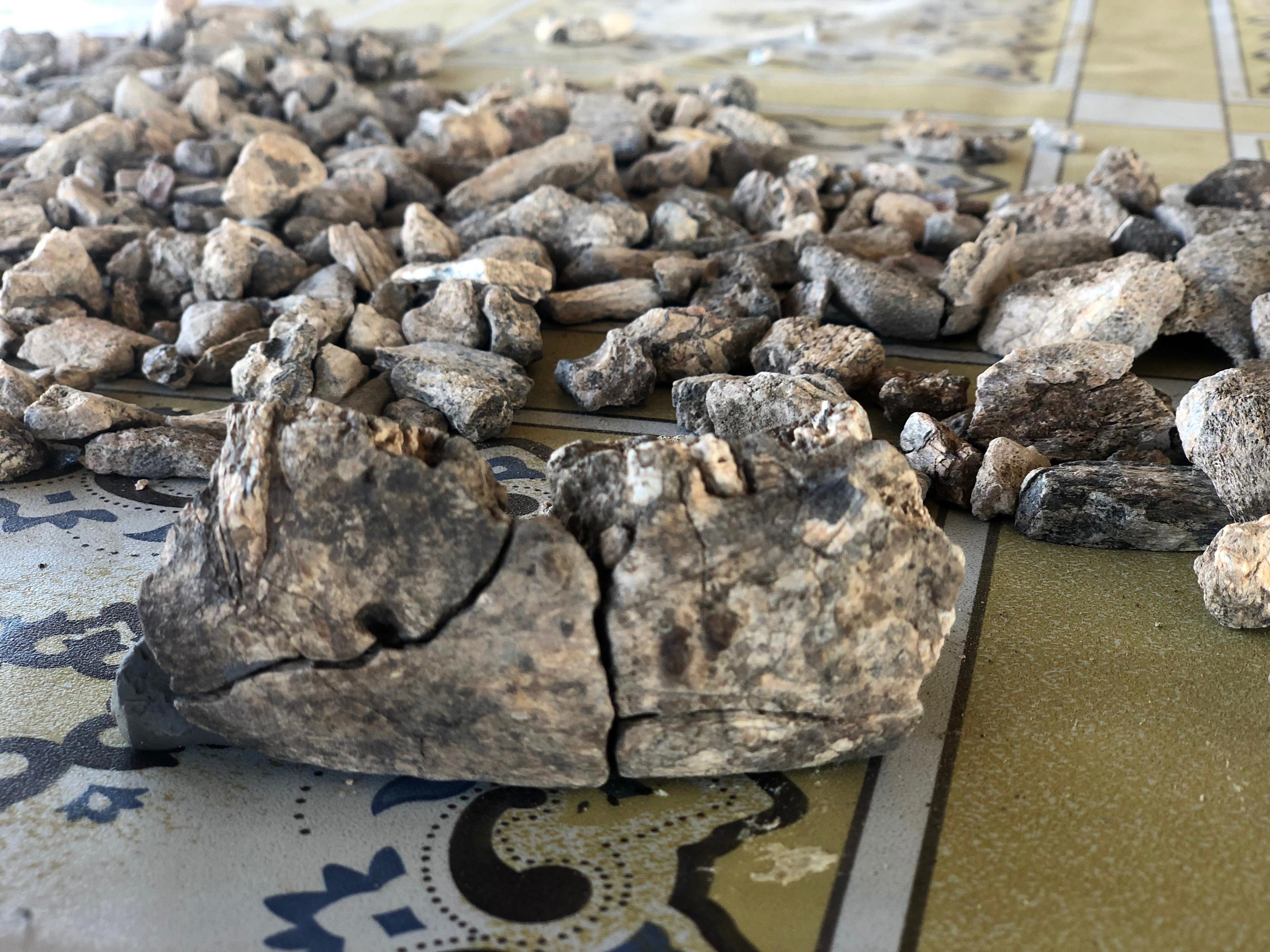
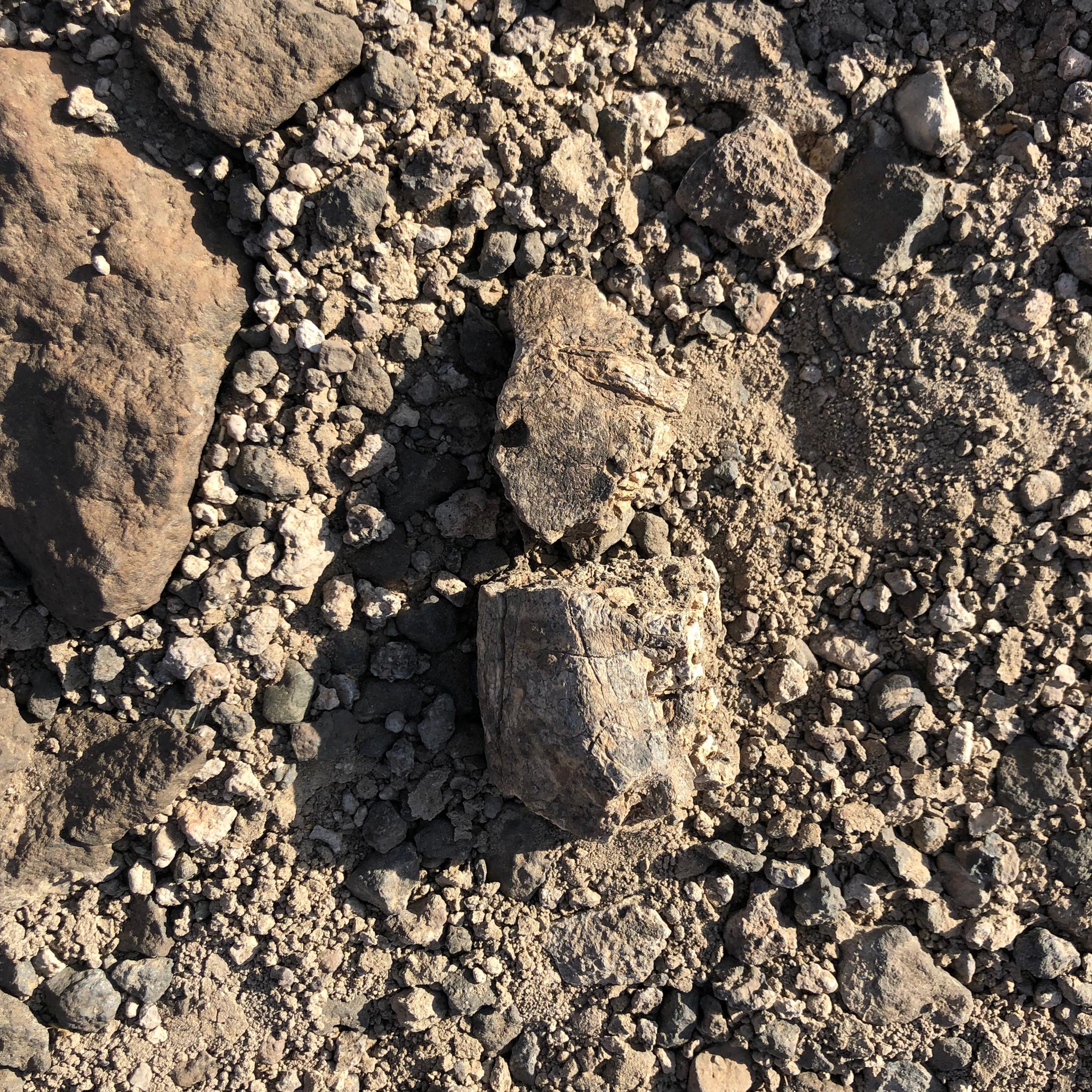
Researchers in Ethiopia found a partial jawbone belonging to Paranthropus, a robust hominin that walked upright but had massive molars built for crushing. The discovery matters because it was found 1000 kilometers north of anywhere this species had been documented before — suggesting these creatures were far more widespread and adaptable than anyone realized.
"We strive to understand who we are and how we became human," says Zeresenay Alemseged, the University of Chicago paleoanthropologist who led the study, published in Nature. "That has implications for how we behave and how we're going to impact the environment around us."
We're a new kind of news feed.
Regular news is designed to drain you. We're a non-profit built to restore you. Every story we publish is scored for impact, progress, and hope.
Start Your News DetoxThe puzzle that shouldn't have existed
For decades, the Afar region of northern Ethiopia has been a goldmine for paleoanthropologists. Hundreds of fossils representing over a dozen species of our early ancestors have been unearthed there — except for one glaring absence. Paranthropus was nowhere to be found.
Scientists had theories. Maybe the species was restricted to southern regions because it was a picky eater, specialized in hard nuts and seeds. Or maybe it couldn't compete with the more flexible Homo genus, our direct ancestors. The absence seemed to confirm these ideas.
Alemseged rejected both explanations. "Neither was the case," he says. "Paranthropus was as widespread and versatile as Homo. Its absence in the Afar was an artifact of the fossil record." In other words: we just hadn't found it yet.
What a jawbone reveals
The team carefully collected fragments at the Mille-Logya research site and transported them to Chicago, where they used micro-CT scanning — essentially an ultra-precise 3D X-ray — to study the fossil's internal structure and shape. The technology allowed them to piece together a picture of how this creature ate, moved, and survived.
What emerged challenged the "nutcracker" label that Paranthropus has carried for decades. Yes, it had enormous molars capped with thick enamel, built to handle tough foods. But that specialized equipment didn't mean the creature was locked into a narrow diet or a narrow range. Instead, the evidence suggests Paranthropus was capable of exploiting a broader range of food resources than previously thought — more like a generalist than a specialist.
This reframes how we understand early human evolution. Between 7 million years ago (when our lineage split from chimpanzees) and 300,000 years ago (when Homo sapiens emerged), the human family tree was crowded. More than 15 hominin species coexisted at various points, each with different strategies for survival. Paranthropus wasn't the evolutionary dead-end that specialized diet theory suggested. It was an adaptable competitor that occupied the same landscape as early Homo, each with its own edges.
"Discoveries like this trigger interesting questions about what the key differences were between the main hominin groups," Alemseged says. "It's remarkable: ultra-modern technology being applied to a 2.6-million-year-old fossil to tell a story that is common to us all."
Each fragment found in Ethiopia doesn't just fill a gap in the fossil record. It nudges our understanding of what it took to survive in Africa millions of years ago — and by extension, what shaped us into who we are.