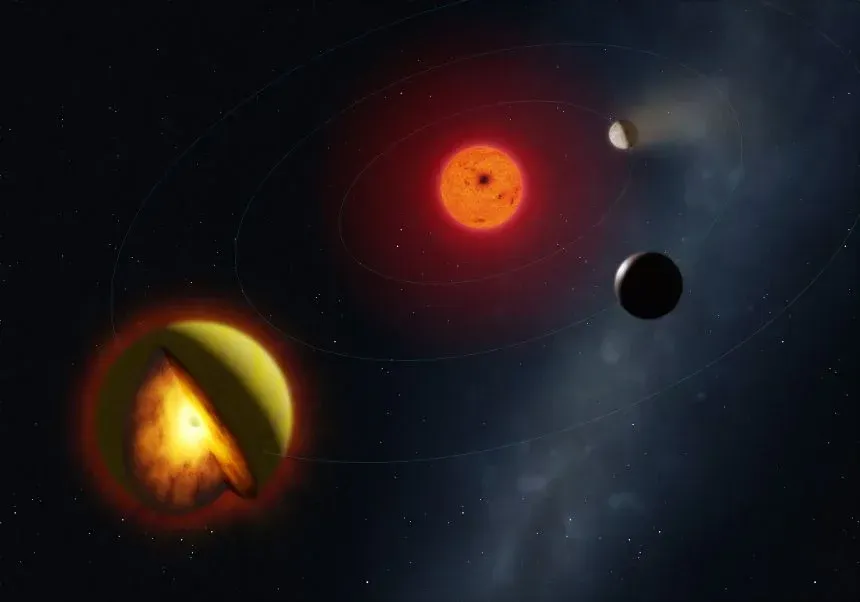
Imagine a planet so hot it has an ocean of molten rock, and its air constantly smells like rotten eggs. That's L98-59d, a world way out past our solar system that just might be a whole new kind of planet.
This wild discovery, published in Nature Astronomy, suggests our ideas about small planets might need an update. L98-59d is about 1.6 times bigger than Earth, but it's super light for its size. For a long time, scientists figured planets like this were either gas dwarfs (rocky with hydrogen air) or water worlds (packed with oceans and ice).
But then the James Webb Space Telescope took a peek. What it saw didn't fit either description. So, Harrison Nicholls, an astrophysicist at Oxford, and his team ran some serious computer simulations. They mapped out L98-59d's five-billion-year history, combining telescope data with everything they know about how planets are built.
We're a new kind of news feed.
Regular news is designed to drain you. We're a non-profit built to restore you. Every story we publish is scored for impact, progress, and hope.
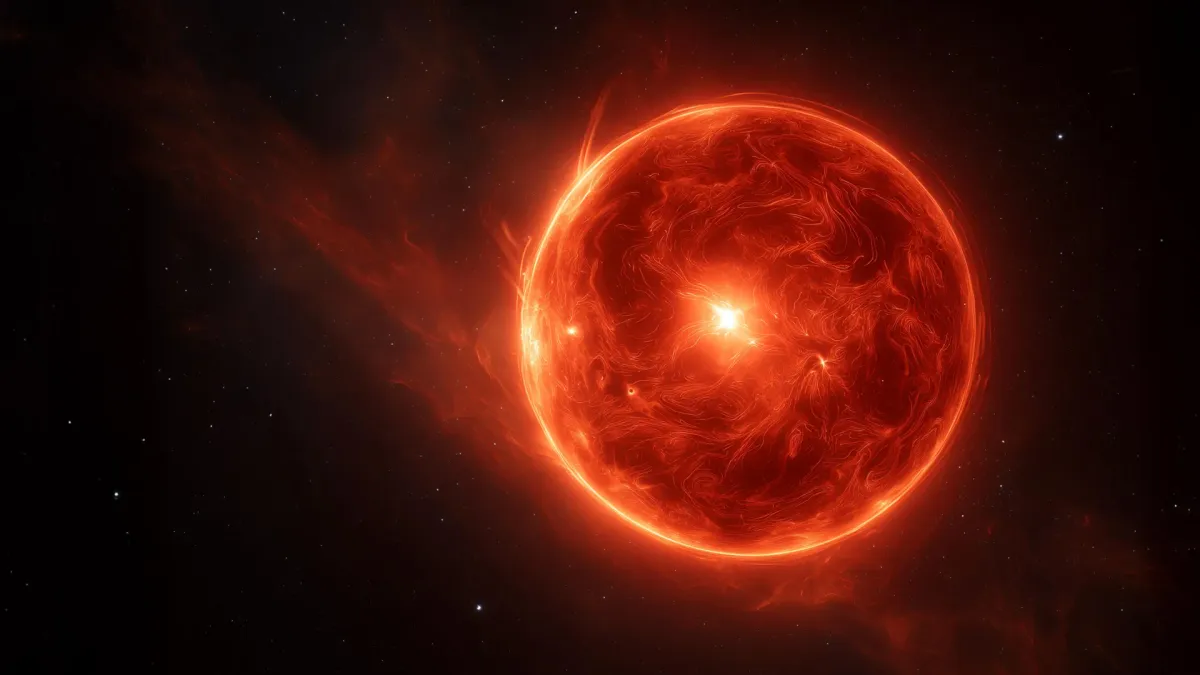
Start Your News DetoxTheir big idea? This planet has a deep, global ocean of magma that's been bubbling for billions of years. This molten rock acts like a chemical vault, holding all the stuff that makes its atmosphere reek of hydrogen sulfide — that's the rotten egg smell. Plus, its host star, a red dwarf, blasts it with UV light, creating even more sulfur gases in the air.
This is why it matters: while you definitely wouldn't want to vacation on L98-59d, it shows us just how diverse the universe is. And get this: studying these extreme alien worlds can actually teach us about Earth's early days. The same basic physics that shaped our planet also shaped this hot, smelly one. It's like looking back in time to see how rocky planets, including our own, first formed.