Neanderthals may have practiced a surprisingly advanced form of dental care much earlier than once thought. A 59,000-year-old tooth from Siberia suggests they could recognize painful decay and remove damaged tissue.
This discovery hints that Neanderthals understood where pain came from and how to relieve it. The tooth shows evidence that one of our extinct relatives may have drilled into an infected molar using a sharp stone tool. This could be the oldest known example of dental treatment.
The study was published in PLOS One by Alisa Zubova and colleagues. It adds to growing evidence that Neanderthals had sophisticated survival skills.
We're a new kind of news feed.
Regular news is designed to drain you. We're a non-profit built to restore you. Every story we publish is scored for impact, progress, and hope.
Start Your News DetoxPrevious findings suggested they used toothpicks and medicinal plants. However, it was unclear if they could intentionally diagnose and physically treat diseases.
Evidence of Early Dental Surgery
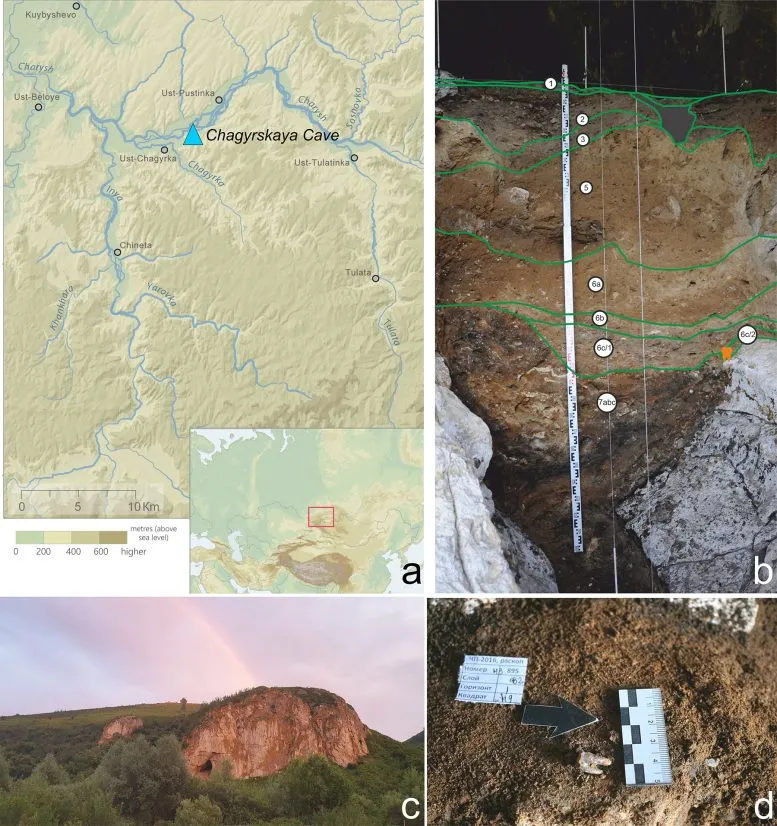
The molar from Chagyrskaya Cave in Russia is about 59,000 years old. It has a deep opening in its center that reaches the pulp cavity. Researchers experimented on three modern human teeth to see how this hole might have formed.
They found that drilling with a stone point, similar to tools found in Chagyrskaya Cave, created a hole with the same shape and microscopic groove patterns. The damaged molar also has toothpick grooves along its side. This tooth is an example of a cavity, which is uncommon among Neanderthals.
This procedure would likely have been painful. However, it may have reduced the pain from infection by clearing away the damaged part of the tooth. This suggests Neanderthals could identify pain, decide on a treatment, perform a precise procedure, and tolerate short-term pain for long-term relief.
This is the first time such behavior has been seen outside Homo sapiens. It predates the previous oldest example by more than 40,000 years.
The authors noted that this finding is currently the world's oldest evidence of successful dental treatment. The damage on the Neanderthal tooth points to intentional pulp removal. It also shows wear that could only have developed if the individual kept using the tooth while alive.
They also found areas of demineralization where remnants of cavity damage were preserved. This further indicates that the concavity in the tooth was related to treatment.
Alisa Zubova said they were intrigued by the unusual shape of the concavity on the tooth's chewing surface. It was different from normal pulp chamber shapes and typical cavity patterns in Homo sapiens. Distinct scratches suggested the concavity was not natural damage but intentional actions.
Computed microtomography showed changes in dentin mineralization consistent with severe cavities. Human manipulation of cavities has been documented for later periods. The researchers hypothesized that the observed damage could represent medical intervention from a much earlier time.
Lydia Zotkina explained that they conducted experimental manual drilling on modern human teeth and ancient Homo sapiens teeth. Comparing the microscopic traces on the Neanderthal tooth with experimental ones showed a clear match. The findings demonstrate that drilling a cavity with a sharp, thin stone tool is effective for quickly removing damaged dental tissue.
Ksenia Kolobova noted that Neanderthals arrived in this region 70,000–60,000 years ago from Central and Eastern Europe. They lived there until at least 40,000–45,000 years ago. The Altai region was a suitable home due to its biodiversity, climate, raw materials for tools, and abundant prey like wild bison and horses. Analysis of stone tools and genetic studies show that Neanderthals from Chagyrskaya Cave are closely related to those who lived in the Caucasus and Crimea.
Deep Dive & References
Earliest evidence for invasive mitigation of dental caries by Neanderthals - PLOS ONE, 2026