Turns out, Earth has a secret “gold kitchen” — and it’s been cooking up treasure for eons beneath the ocean floor. Scientists have long scratched their heads over why volcanic island arcs, those dramatic chains of volcanoes born where one oceanic plate dives under another, are so often loaded with gold.
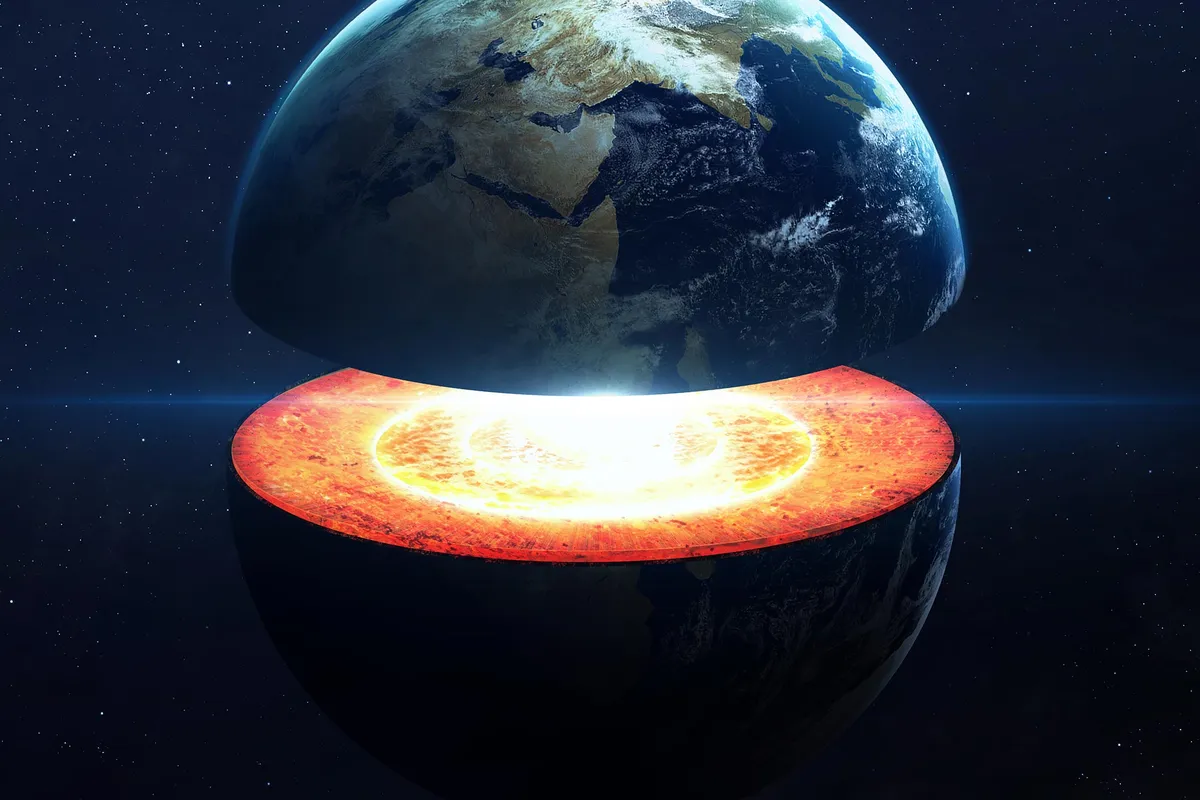
Dr. Christian Timm, a marine geologist who probably knows more about rocks than anyone you've ever met, led a team to finally get some answers. Their conclusion? It’s all about the mantle, that squishy layer beneath Earth's crust, melting repeatedly. Because apparently, once isn't enough when you're making gold.
The Mantle's Recipe for Riches
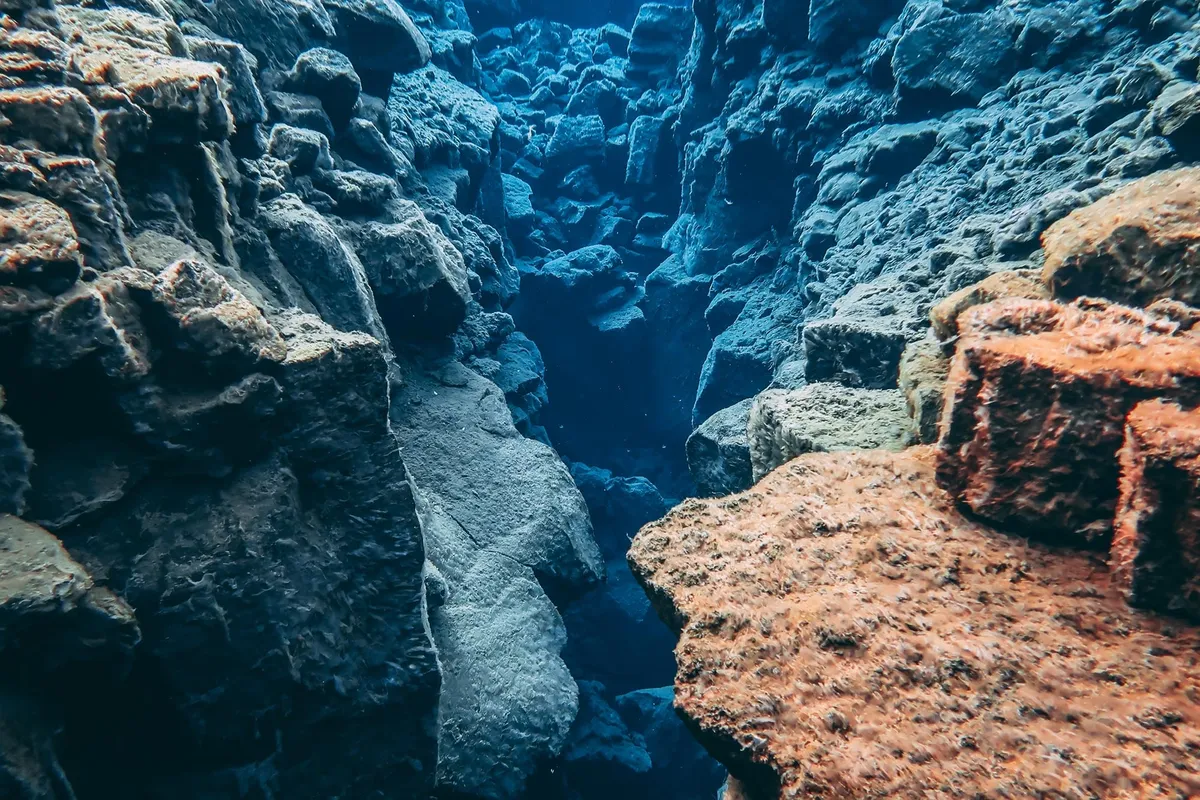
The team didn't just guess; they analyzed 66 volcanic glass samples from the seafloor around the Kermadec island arc and the nearby Havre Trough, north of New Zealand. Think of these glasses as nature's time capsules, preserving the original chemical makeup of magma that cooled rapidly underwater. Some were “primitive glasses,” showing magma before it got all complicated with crystallization. These were the real talkers.
We're a new kind of news feed.
Regular news is designed to drain you. We're a non-profit built to restore you. Every story we publish is scored for impact, progress, and hope.
Start Your News DetoxWhat did they say? That these samples had gold concentrations several times higher than similar magmas found at mid-ocean ridges. Timm noted this with the kind of dry understatement only a geologist can pull off. The question, of course, was why.
They measured gold alongside its “sulfur-loving” buddies: silver, copper, selenium, and platinum. These elements are like the gossip columnists of the deep earth, revealing what conditions were like during the melting process. Turns out, the mantle under the Kermadec Arc melts in the presence of water at high temperatures. And under those conditions, the gold-to-copper ratios were far higher than in your run-of-the-mill mantle or mid-ocean ridge basalts.
This all points to a mantle that was already depleted, then melted again. Repeated, high-degree melting of a watery, oxidized mantle seems to be the secret sauce for concentrating gold in these magmas. While these concentrations are high enough to make geologists excited, they're still too low for anyone to start thinking about mining. So, no, you can't just dive down there with a pickaxe.
The First Step in Gold's Long Journey
Timm initially thought the water from the subduction zone was directly enriching the gold. But the data showed water mainly just helps the mantle melt. The real star of the show? The sheer amount of melting, often repeated. Gold in the mantle usually hangs out in sulfide minerals. When the mantle melts a lot, those minerals break down, releasing their precious cargo into the melt.
So, it's not a one-and-done deal; it's a multi-stage process. Only repeated melting allows gold to become highly concentrated. This study, essentially, gives us the first chapter in gold's autobiography.
As Timm put it, "We are effectively looking at the first step in the life cycle of gold. It begins with gold moving from the mantle into a melt that eventually forms volcanoes. The alchemy starts long before the metal reaches the surface." Which, if you think about it, is both impressive and slightly terrifying that Earth has been doing this without us even knowing its full recipe.