Imagine getting lithium — the key ingredient for your phone and EV battery — in a way that’s faster, cheaper, and way kinder to the planet. Scientists at Columbia Engineering just cracked the code.
They’ve developed a totally new method that can pull lithium from underground salty water (called brines) that we couldn't touch before. This could unlock huge untouched reserves, like the one hiding under California's Salton Sea, which holds enough lithium for 375 million electric car batteries. Seriously cool.
Ditching the Old Way
Right now, about 40% of the world's lithium comes from these brines. But the old way? It's basically giant ponds where the sun bakes off the water for up to two years. It uses a ton of land and water, making it a no-go for many places, including that massive Salton Sea reserve.
We're a new kind of news feed.
Regular news is designed to drain you. We're a non-profit built to restore you. Every story we publish is scored for impact, progress, and hope.
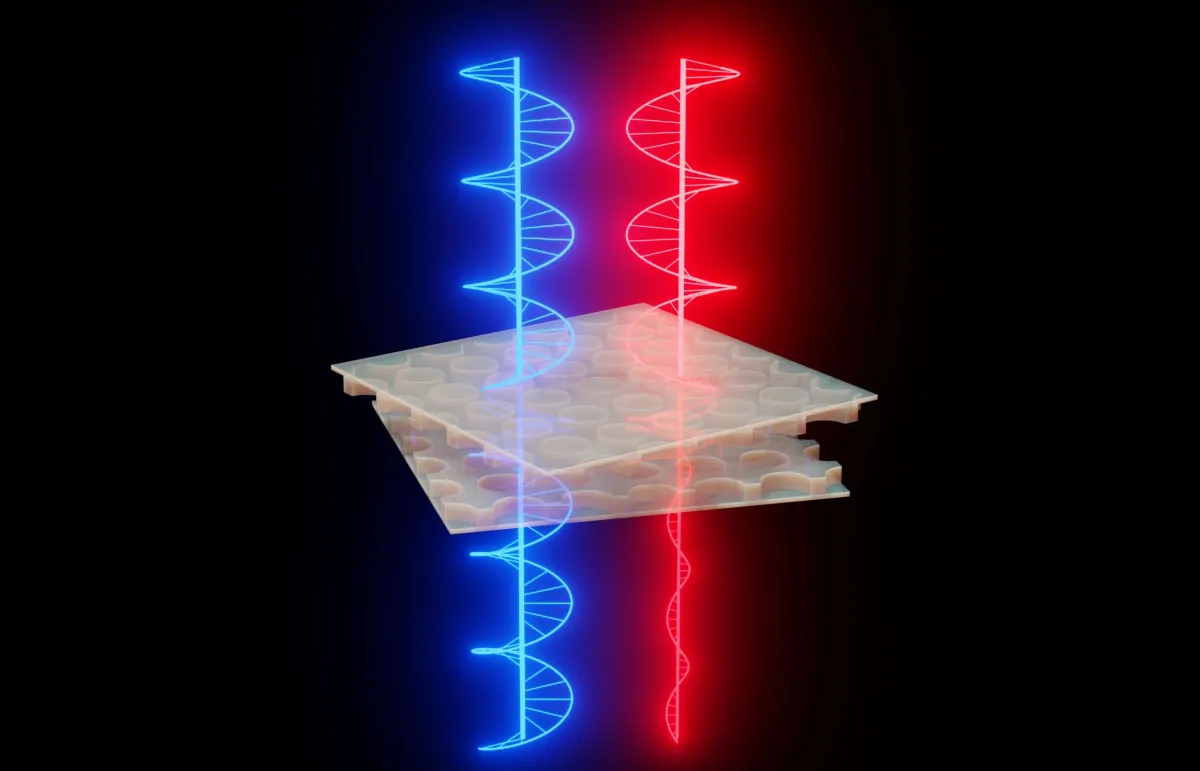
Start Your News DetoxThe new method, called S3E, is a clever workaround. It uses a special liquid that reacts to temperature. At room temp, it grabs the lithium and some water from the brine. Then, you heat it up, and it releases the pure lithium into a clean stream, ready for use. The liquid then cools down and gets reused. It’s a continuous loop.
This isn't just a slight improvement. This liquid is super picky, grabbing lithium 10 times more effectively than sodium and 12 times more than potassium. It even gets rid of pesky magnesium, a common impurity.
Why This Matters
Professor Ngai Yin Yip from Columbia University points out that the old solar evaporation just can't keep up with how much lithium we'll need. This new tech means we can access lithium in places where the old methods simply wouldn't work, like the cooler, wetter areas.
In lab tests, this system recovered almost 40% of the lithium after just four cycles, using the same solvent over and over. And get this: the whole process could be powered by waste heat or even solar collectors. That's a double win for green energy.
While it's still early days, S3E is a huge step toward cleaner, faster lithium. It means we could power our electric future without the massive environmental footprint of current methods. That's a future we can all get behind.