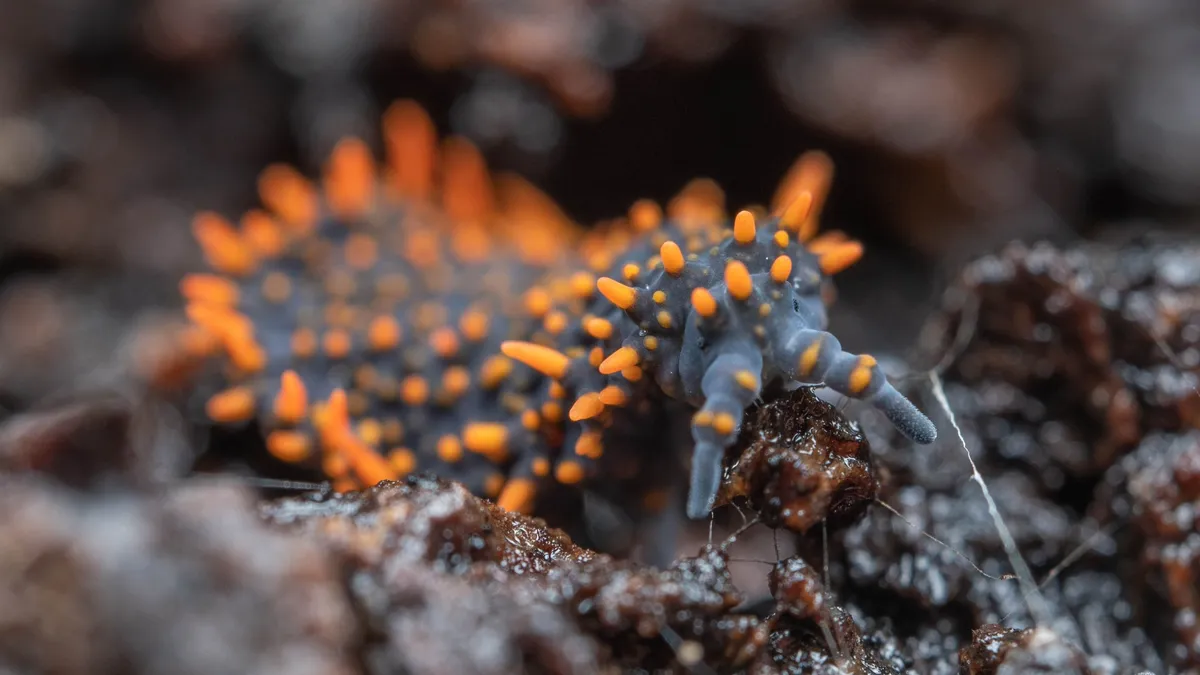
Beneath our feet, a bustling metropolis of tiny creatures — nematodes, mites, springtails, and the ever-reliable earthworm — are doing the essential, if unglamorous, work of breaking down, recycling, and generally keeping the planet's digestive system humming. For ages, scientists have known these soil dwellers are crucial. What they haven't quite cracked is how things like, say, turning a forest into a cornfield, or living in the tropics versus a temperate zone, affects what’s on their microscopic dinner plates.
Enter a team from the University of Göttingen, who just dropped a bombshell: soil animals in farmland and tropical regions actually have more varied diets. Yes, you read that right. The very places we often assume are simplifying natural ecosystems are, in fact, forcing their underground residents to get creative with their cuisine.
The Great Soil Diet Shift
To figure this out, the researchers didn't just poke around with a trowel. They analyzed over 17,000 soil samples from 456 sites across 19 countries, meticulously checking carbon and nitrogen levels in 28 major groups of organisms. The findings, published in Nature Ecology & Evolution, suggest that the tiny organisms that eat even tinier microorganisms (think nematodes and mites) are the real gourmands, diversifying their menus to fill more roles in the food web.
We're a new kind of news feed.
Regular news is designed to drain you. We're a non-profit built to restore you. Every story we publish is scored for impact, progress, and hope.
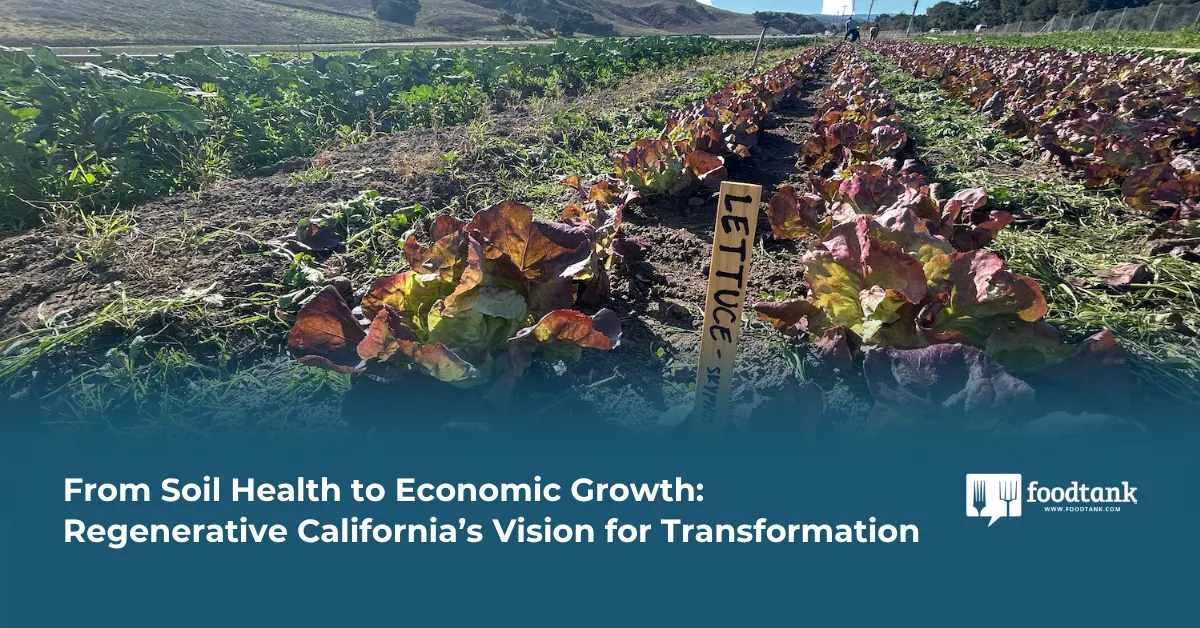
Start Your News DetoxThe head-scratcher? Soil animals in farm systems showed about 32% more diverse diets than their woodland counterparts. This flies in the face of the common wisdom that agriculture simplifies everything. But as lead author Dr. Zheng Zhou explains, this isn't a glowing endorsement of farming. Instead, it seems that scarcer food and constant disturbances in farm fields are pushing these critters to become more flexible eaters. It's a survival tactic, not a sign of thriving, and it likely means more specialized species are getting squeezed out.
Tropical soils told a similar story, with about 40% more diverse diets than temperate zones. Here, rapid decomposition and fierce competition for food mean everyone needs to either specialize hard or broaden their culinary horizons. So, the increased variety in tropical diets is linked to both more species and clearer distinctions in who eats what.
As Professor Stefan Scheu, a senior author, points out, this flexibility helps maintain vital soil processes like decomposition and nutrient cycling even as the world changes. Which, if you think about it, is both impressive and slightly terrifying. It suggests soil animals are adapting, but it also begs the question: can generalist survivors truly replace the specialists we might be losing?
This research isn't just about counting bugs; it's about understanding their dinner plans. Because how these unseen architects of our soil adapt their eating habits in response to land use and climate change will be key to predicting the stability and function of the very ground beneath our feet. And maybe, just maybe, it means the nematodes are secretly plotting a Michelin-star restaurant down there. One can only hope.