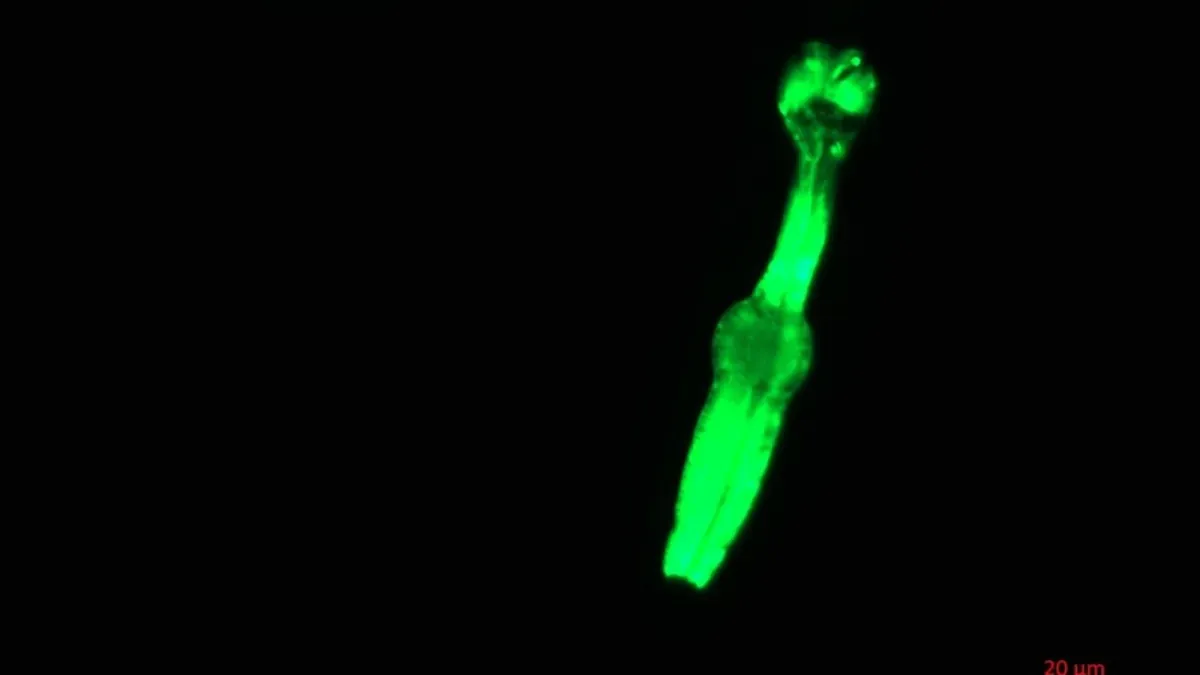
Good news, everyone: 11,000 pounds of cargo just launched to the International Space Station, and a significant portion of that weight is dedicated to... worms. Thousands of them. Because apparently, that's where we are now.
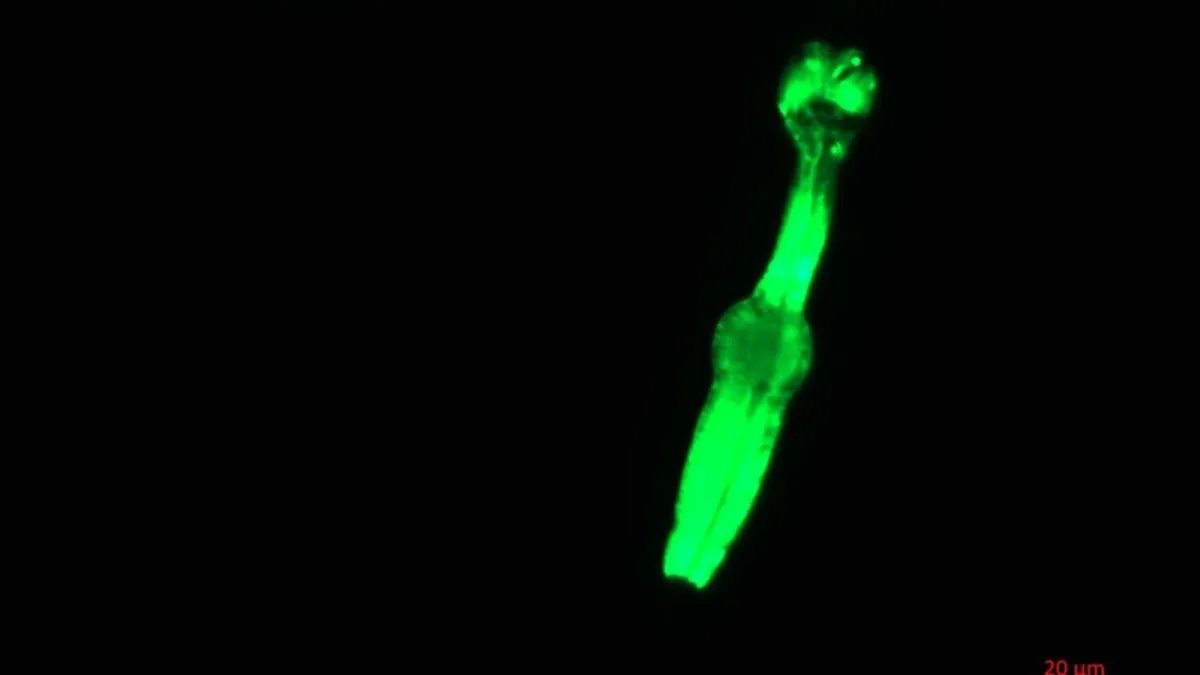
These aren't just any worms. They're Caenorhabditis elegans nematodes, tiny little critters that are now officially part of NASA's Commercial Resupply Services 24 mission. They blasted off from Cape Canaveral, Florida, on April 11, presumably with tiny, excited worm faces.
Why Worms, You Ask?
Because when you want to figure out how to keep humans alive during those really, really long space missions — the kind where you're imagining moon bases and Mars trips — you send in the C. elegans. Scientists at the University of Exeter are using these microscopic pioneers to study how the harsh environment of space messes with the body.
We're a new kind of news feed.
Regular news is designed to drain you. We're a non-profit built to restore you. Every story we publish is scored for impact, progress, and hope.
Start Your News DetoxHumans have been floating around in space for 65 years now, with the record currently held by NASA astronaut Frank Rubio, who spent a casual 371 days up there. A year in microgravity, it turns out, is not great for your bones, muscles, or even your eyesight. And then there's the delightful issue of radiation exposure. So, if we're going to set up shop on the moon or brave the journey to Mars, we need to solve these rather inconvenient problems.
Tim Etheridge, a physiologist at the University of Exeter, put it plainly: NASA's Artemis program wants people living and working on the moon for extended periods. Understanding what space does to us is, you know, crucial for safety. And apparently, worms are the key.
The Worms' Excellent Adventure
While they might not look like us (unless you've had a really rough day), these nematodes share a surprising number of fundamental biological processes with humans. Which means they're perfect for science experiments in miniature.
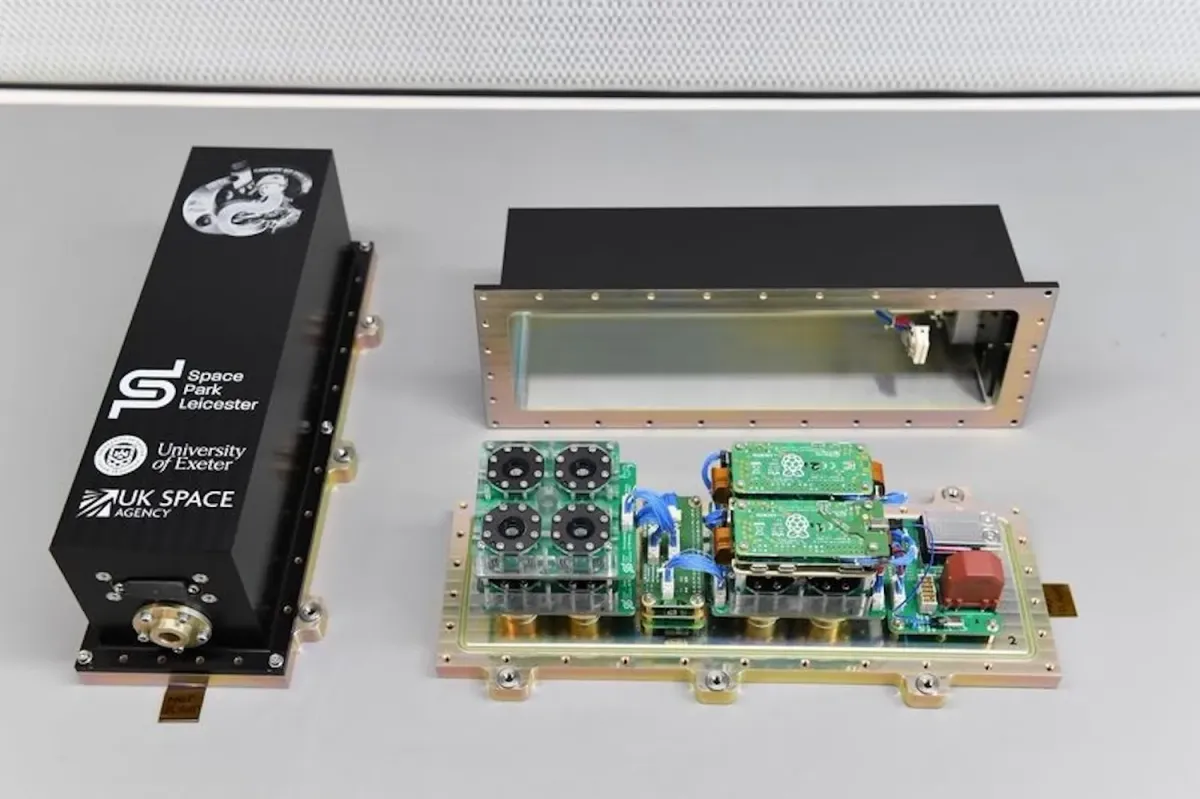
They're traveling in what's called a "Petri Pod," which sounds like a tiny space apartment. Once it arrives at the ISS, astronauts will move it into an onboard lab. But the real adventure begins when a robotic arm mounts the worm habitat outside the ISS. Yes, these worms are getting a better view of Earth than most of us ever will.
They'll live out there for up to 15 weeks, snug in containers that control temperature, pressure, and oxygen, all while exposing them to the full, glorious force of zero-gravity and space radiation. Talk about extreme living.

Back on Earth, researchers will be glued to their screens, monitoring the worms' health using special optics, video, and photography. They'll track radiation exposure and gather data on how these tiny creatures cope with the ultimate long-distance move. The results, we're told, will help scientists plan future studies and, eventually, find solutions for keeping us intact in microgravity. U.K. Space Minister Liz Lloyd even suggested these tiny worms could play a big role in the future of human spaceflight. Which, if you think about it, is both impressive and slightly terrifying.