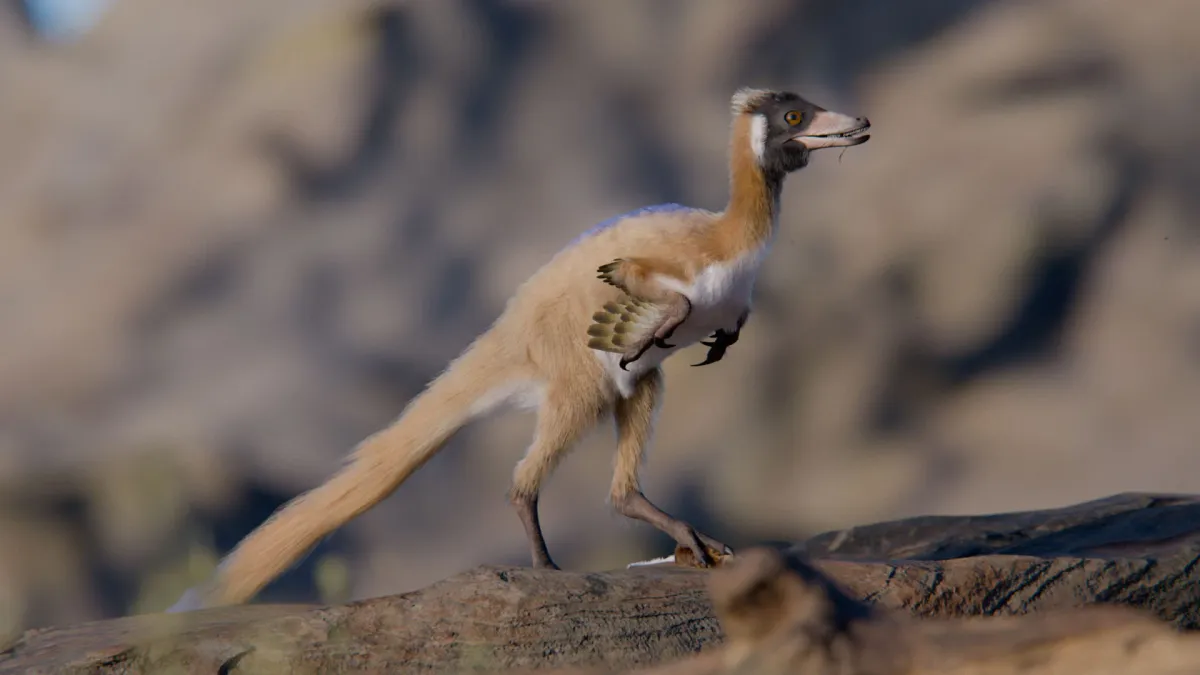
A nearly complete skeleton of a chicken-sized dinosaur discovered in Patagonia has solved a puzzle that's stumped paleontologists for decades: how a bizarre group of bird-like dinosaurs with tiny teeth and single-clawed arms actually evolved and spread across the ancient world.
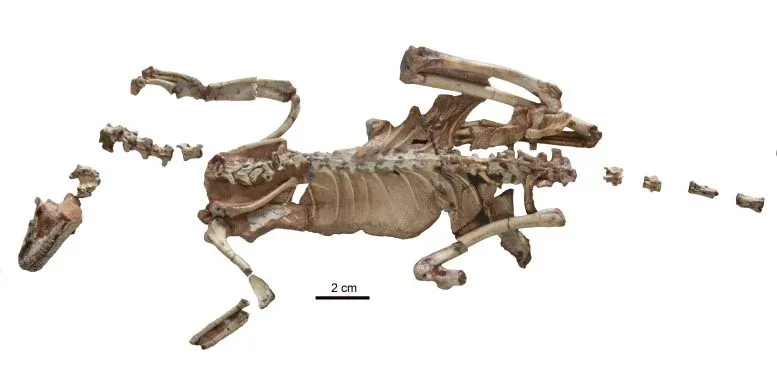
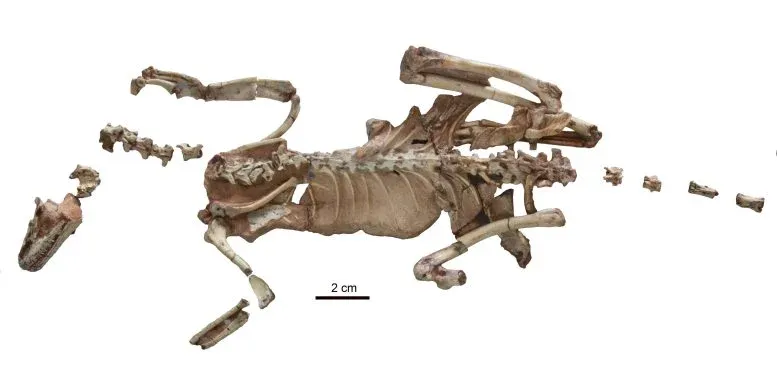
The fossil, named Alnashetri cerropoliciensis, was unearthed in 2014 at La Buitrera in northern Patagonia but only recently fully prepared and analyzed. At less than two pounds, it's among the tiniest dinosaurs ever found in South America—yet it's revealing something profound about how evolution works at a continental scale.
What Makes This Skeleton Revolutionary
Here's the frustration paleontologists faced: most well-preserved fossils of alvarezsaurs (the group Alnashetri belongs to) came from Asia, while South American finds were usually fragmentary and nearly impossible to interpret. "Going from scrappy pieces to having a near-complete and articulated animal is like finding a paleontological Rosetta Stone," says Peter Makovicky, the University of Minnesota paleontologist who led the research, published in Nature.
We're a new kind of news feed.
Regular news is designed to drain you. We're a non-profit built to restore you. Every story we publish is scored for impact, progress, and hope.
Start Your News Detox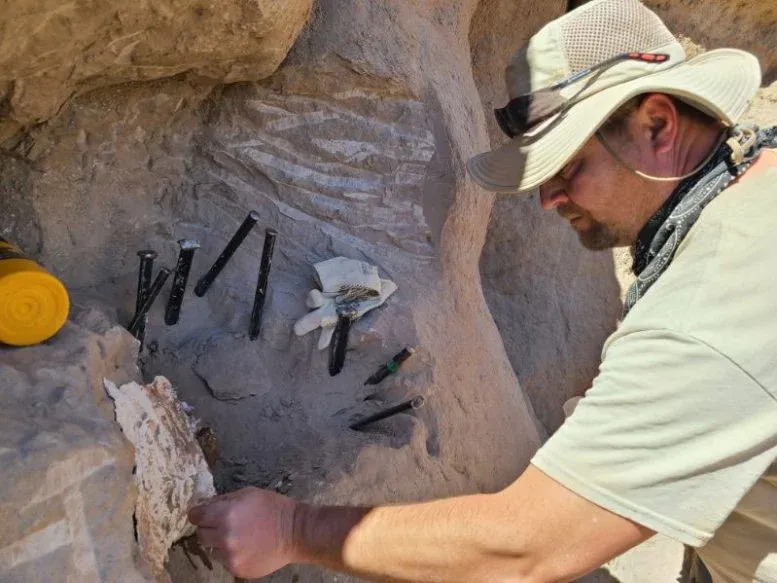
What the skeleton reveals is unexpected: Alnashetri had longer arms and larger teeth than its younger relatives. This suggests that early alvarezsaurs weren't yet specialized for the ant-eating lifestyle that would define later species. In other words, these dinosaurs became tiny first—then their bodies adapted to match their new diet. It's a reminder that evolution doesn't always follow the logical sequence we assume.
Microscopic analysis of the bones showed this was a mature individual, at least four years old. For a creature that weighed less than a house cat, that's a meaningful lifespan—enough time to reveal how the species actually lived and grew.
The Continental Drift Connection
But here's where the story expands beyond a single fossil. By comparing Alnashetri with earlier alvarezsaur specimens housed in museums across North America and Europe, the research team made a striking conclusion: these dinosaurs likely originated when Earth's continents were still fused together as Pangaea. As the continents drifted apart over millions of years, alvarezsaurs simply went with them—they didn't cross oceans, they walked with the land itself.
This reframes how we think about global biodiversity during the dinosaur era. Rather than imagining creatures somehow traversing vast seas, we're seeing lineages that simply rode continental plates like passengers on a slowly moving ship. It's a humbling reminder that geography itself is a character in evolution's story.
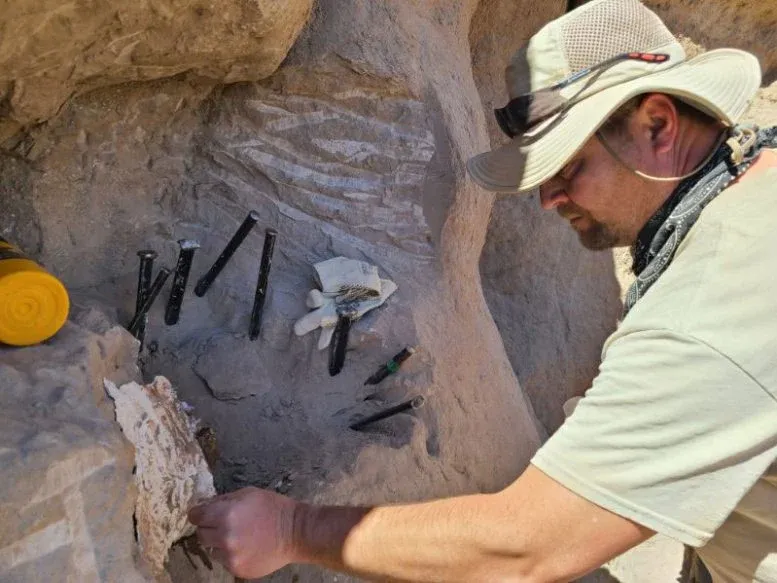
La Buitrera itself has become something of a paleontological treasure. Over two decades, the site has yielded early snakes, small saber-toothed mammals, and now this pivotal dinosaur. "After more than 20 years of work, the La Buitrera fossil area has given us a unique insight into small dinosaurs and other vertebrates like no other site in South America," notes Sebastian Apesteguía from Universidad Maimónides in Buenos Aires.
The work isn't finished. Makovicky hints that the next chapter of the alvarezsaurid story is already in the lab, being prepared for analysis. La Buitrera is still yielding secrets, and each new fossil adds another piece to a puzzle that spans continents and millions of years.