Imagine getting a cut and watching your skin heal perfectly, like it was never even there. No scar. Nothing. That's exactly what Harvard scientists just made happen in a lab.
They figured out how to switch skin back to its 'embryo mode' — a time when it can regrow all its different cells without a trace. This could change how we treat wounds forever.
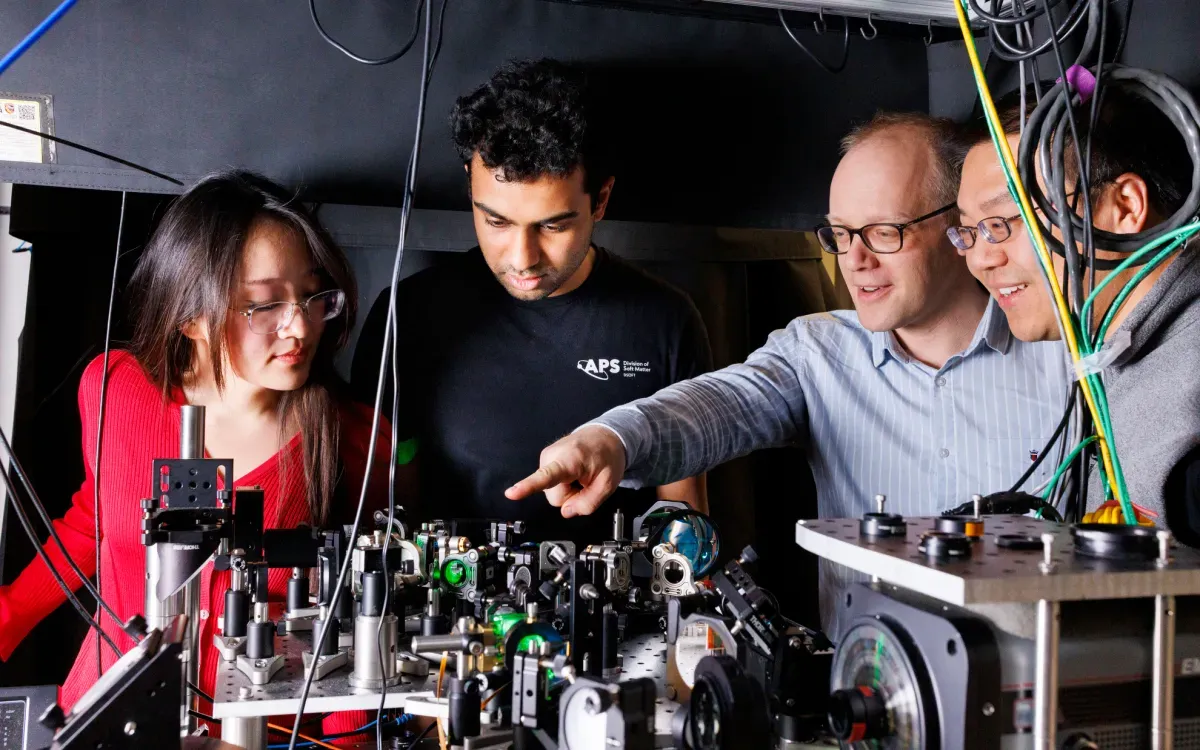
Normally, when adults get hurt, their skin mostly just covers the damage with scar tissue. Think about it: hair follicles, sweat glands, nerves — they don't usually grow back in a scar. But tiny embryos? Their skin heals flawlessly, restoring everything.
We're a new kind of news feed.
Regular news is designed to drain you. We're a non-profit built to restore you. Every story we publish is scored for impact, progress, and hope.
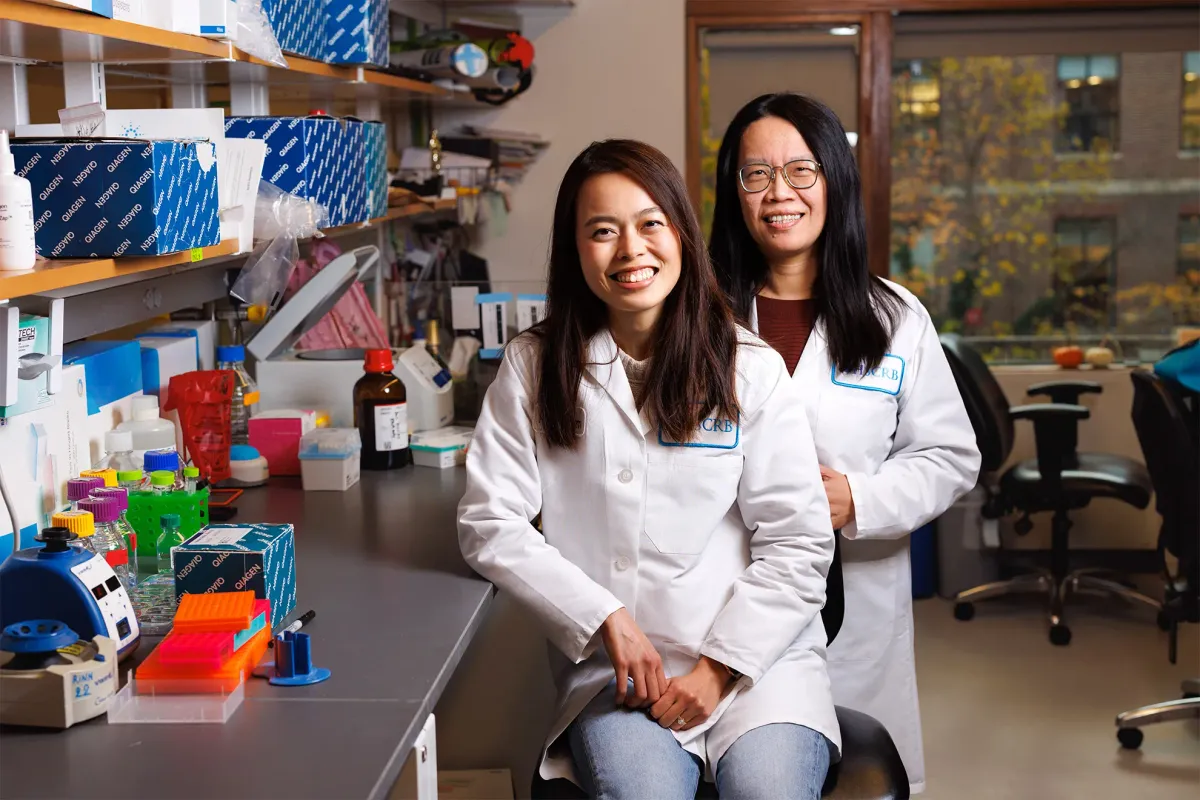
Start Your News DetoxThis new study, published in Cell, cracked the code on how embryos do it. Even better, it shows how to reactivate that superpower in adult skin. Ya-Chieh Hsu, who helped lead the research, says it's like finding a hidden 'off switch' for regeneration and simply flipping it back on.
The Secret Behind Perfect Healing
Lead author Hannah Tam spent five years on this, even performing microsurgery on tiny mouse embryos. She watched closely as their skin healed perfectly, sometimes so well she had to mark the spots with fluorescent beads just to track them!

They noticed something key: the ability to regenerate perfectly starts fading fast, especially in an eight-day window around birth. If a mouse was wounded just three days before birth, its skin healed like magic. Five days after birth? Scar tissue, dense nerves, and no new hair or glands.
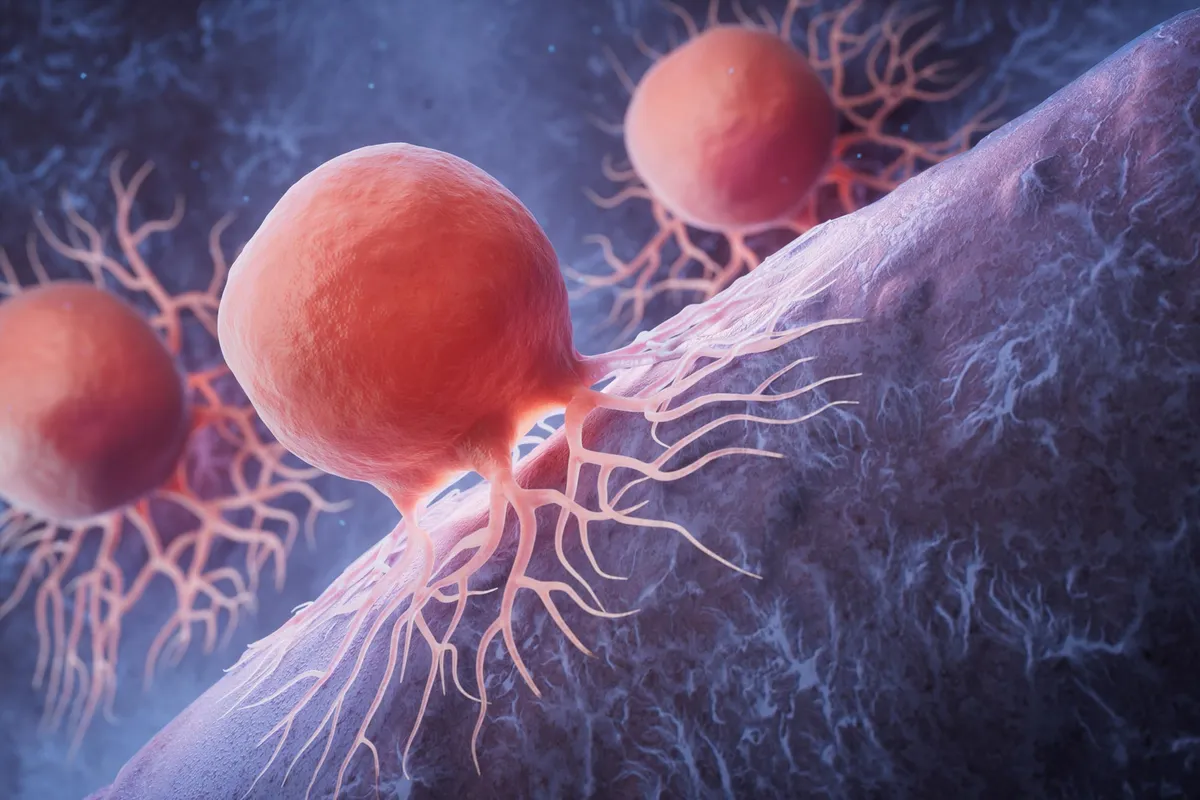
The team dug deeper to find out why this happens. Turns out, adult wounds get swamped with too many nerves. A specific gene, Cxcl12, recruits them like crazy. These extra nerves actually block other skin cells from regrowing.
But here's the clever part: when the scientists reduced that gene in adult mice, the nerves didn't overcrowd the area. And boom — the skin started regenerating diverse cell types, just like an embryo. They even got similar results by blocking local nerve signals with Botox.
Ya-Chieh Hsu initially thought they'd need to add a bunch of new factors to trigger regeneration. But the solution was way simpler: just remove the thing that's stopping it. It's like taking your foot off the brake instead of pushing the gas harder.
This discovery is pretty wild because it points to an entirely new way to think about wound healing. It's not about building regeneration from scratch; it's about setting it free. And that could mean a future where scars are a thing of the past.