For years, we've been told the whole brain needs to power down for a full night's sleep to perform its vital maintenance. You know, the kind where memories are filed away and the mental junk drawer gets decluttered. But what if parts of your brain could just... take a quick nap while the rest of you is still debating the merits of a third coffee?
New research, fresh out of the lab, suggests exactly that. Scientists have figured out how to trick specific brain regions into a sleep-like state, even when the rest of the animal is wide awake. This isn't just a fun party trick; it hints that some of the brain's crucial restorative work might be happening locally, on demand, without the need for a full-system shutdown.
Chiara Cirelli, a professor at the University of Wisconsin-Madison, put it best: they're "forcing sleep" in a small brain region. Imagine one part of your brain diligently processing memories while another part is still scrolling through social media. It's a bit like how dolphins manage to sleep with only one half of their brain at a time. Because apparently, even marine mammals are better at multitasking than most of us.
We're a new kind of news feed.
Regular news is designed to drain you. We're a non-profit built to restore you. Every story we publish is scored for impact, progress, and hope.
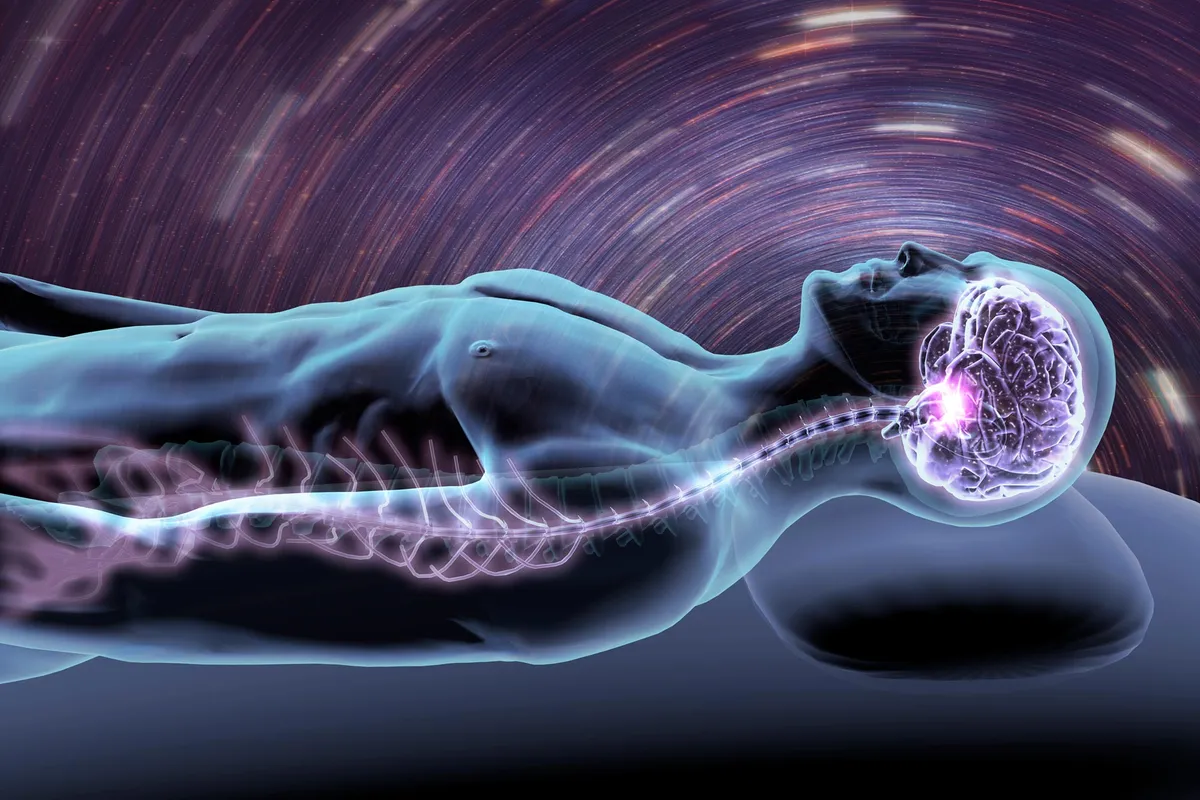
Start Your News DetoxMost of our sleep is Non-Rapid Eye Movement (NREM) sleep, that deep, dreamless kind where the brain does its heavy lifting. It's during NREM that important connections get strengthened, less useful ones get pruned (think of it as digital detox for your neurons), and fresh space is cleared for new information. Basically, it's how your brain stays sharp enough to remember where you parked.
The Brain's Mini-Power Naps
Cirelli's team previously noticed that sleep-deprived rats (and even humans) could have tiny, localized bursts of slow-wave activity – a telltale sign of NREM sleep – while still technically awake. These mini-naps were too brief to make a real difference, but they sparked an idea: what if you could make them longer and more targeted?
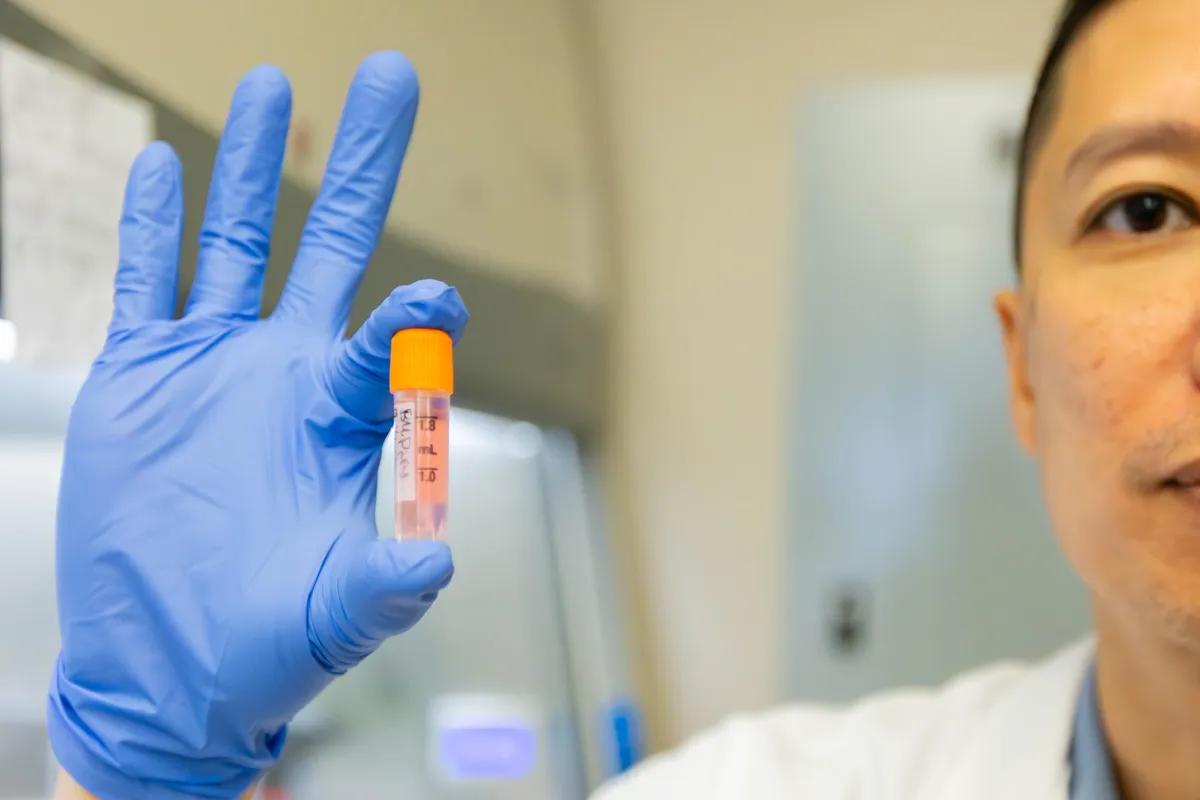
So, they got creative. Using light-activated implants and some genetic wizardry, they stimulated one side of the brains of sleep-deprived mice. For 30 minutes, these specific regions experienced rhythmic cycles of activity and inactivity, mimicking the exact patterns of NREM sleep.
The results were pretty compelling. After the stimulation, these brain regions showed less slow-wave activity during actual sleep. Meaning, they'd already gotten some recovery work done. The mice that received the targeted brain stimulation performed just as well on a tactile memory test as their well-rested counterparts, while the unstimulated, sleep-deprived mice struggled. Which, if you think about it, is both impressive and slightly terrifying.
Cirelli and her team are now looking into whether less invasive methods, like transcranial stimulation, could achieve similar results in humans. If so, imagine the possibilities: a quick brain boost during a long flight, a targeted memory refresh before a big presentation, or just a way to make up for that one episode you had to finish at 2 AM. The future of sleep, it seems, might be less about hitting the hay and more about hitting the right neural switch.